Best Food for Labrador Retrievers: Weight-Smart Picks for 2026
By Michelle — Michelle's Pet Shop. Published April 17, 2026. 21 min read.
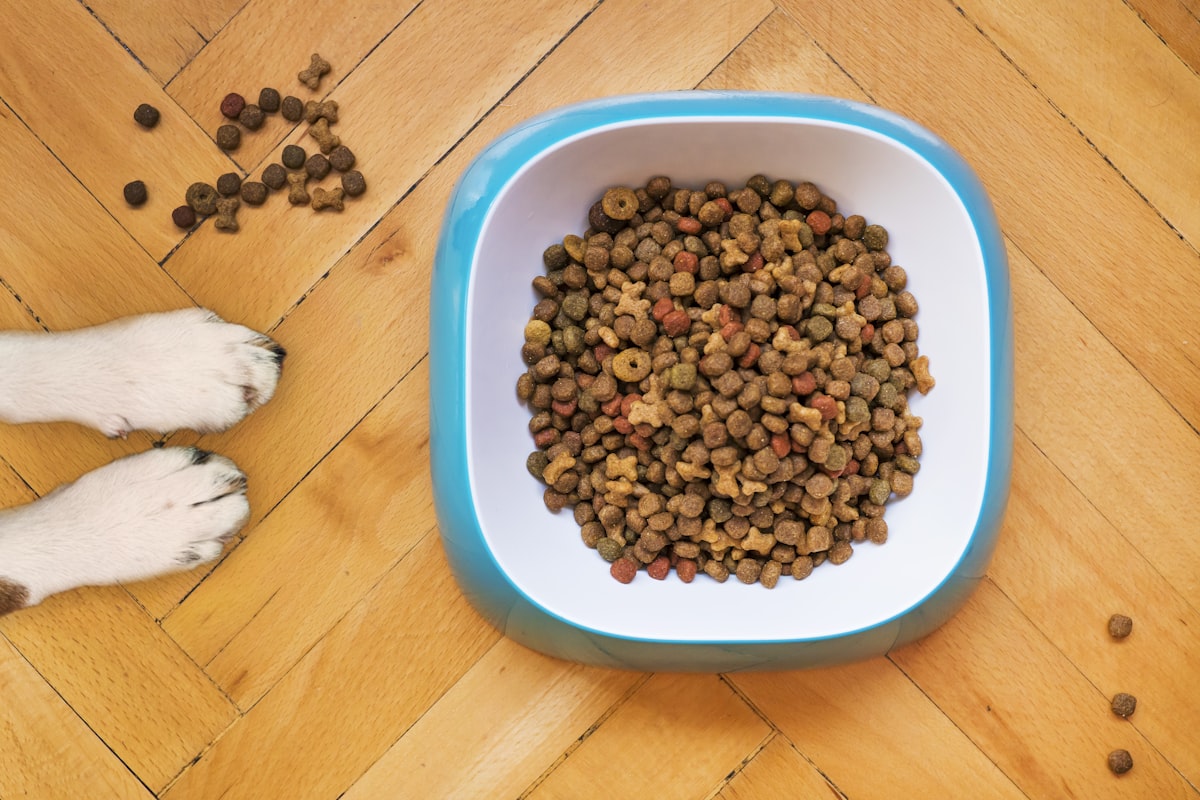
Looking for the best nutrition for your energetic companion? Our 2026 buying guide covers the top dog food and treats for Labrador Retrievers. Discover weight-smart picks and expert advice to keep your Lab healthy, active, and thriving.
Top Picks
- Pedigree Complete Nutrition Dog Food — Best Overall: It offers a perfectly balanced blend of high-quality proteins and joint-supporting nutrients tailored for active Labs.
- Dog Treat Grain Free Natural — Best Grain-Free: This treat provides a highly digestible, protein-rich reward without common allergens, perfect for sensitive stomachs.
- Greenies Dental Dog Treats — Best Dental Treat: Its unique texture effectively reduces plaque and tartar while satisfying your Lab's natural urge to chew.
- Dog Jerky Treats Chicken — Best Treat: Made with lean protein, its irresistible flavor and versatile texture make it perfect for intensive training.
- Dog Treat Freeze Dried Natural — Best Freeze-Dried: It delivers the nutritional integrity and intense flavor of raw meat in a convenient, shelf-stable format.
Labrador Retrievers are renowned for their boundless energy, unwavering loyalty, and, famously, their hearty appetites. As one of the most popular dog breeds in the world, they require a carefully balanced diet to support their active lifestyle while managing their tendency to gain weight. Finding the right balance of proteins, fats, and essential nutrients is crucial for maintaining their joint health, coat condition, and overall vitality. In this comprehensive 2026 buying guide, we dive deep into the nutritional needs of your beloved Lab, exploring the best options available on the market today. Whether you are looking for daily kibble or specialized rewards, our expertly curated selections will help you make informed decisions for your furry family member.
Navigating the vast array of Dog Food & Treats can be overwhelming for any pet parent. That is why we have meticulously analyzed the top products to bring you this definitive list of weight-smart picks for Labrador Retrievers. From grain-free options to dental chews that promote oral hygiene, we cover all the bases to ensure your dog receives the highest quality nutrition. We will also discuss feeding schedules, portion control, and what specific ingredients to look for when shopping for your Lab. Always remember to consult your veterinarian before making significant changes to your dog's diet, especially if they have underlying health conditions or specific dietary requirements.
Why Do Labrador Retrievers Need Specialized Nutrition?
Labrador Retrievers possess a unique set of physical characteristics and genetic predispositions that make their nutritional requirements distinct from other breeds. Originally bred as working dogs to retrieve fishing nets and game, Labs have a robust build and a high energy level that demands a diet rich in high-quality proteins and complex carbohydrates. However, their love for food is legendary, and without proper portion control and the right type of nutrition, they are highly susceptible to obesity. Obesity in Labs can lead to a cascade of health issues, including joint problems like hip dysplasia, cardiovascular diseases, and metabolic disorders such as diabetes. Therefore, providing a diet that is specifically tailored to their needs is not just a matter of preference, but a critical component of their overall health and longevity.
One of the primary concerns for Labrador Retrievers is joint health. Due to their size and active nature, their joints endure a significant amount of stress throughout their lives. Diets enriched with glucosamine and chondroitin are highly beneficial for maintaining cartilage health and reducing the risk of osteoarthritis. Additionally, omega-3 fatty acids, commonly sourced from fish oil, play a vital role in reducing inflammation in the joints and promoting a healthy, shiny coat. The dense, water-resistant double coat of a Lab requires adequate levels of essential fatty acids to prevent dryness and flakiness, ensuring they remain comfortable and their coat retains its natural protective qualities.
Furthermore, the digestive system of a Labrador Retriever can sometimes be sensitive. While they are known to eat almost anything they can get their paws on, a diet filled with low-quality fillers and artificial additives can lead to gastrointestinal upset, gas, and irregular bowel movements. High-quality dog food that utilizes easily digestible proteins, such as chicken, lamb, or salmon, along with wholesome grains or grain-free alternatives like sweet potatoes and peas, can significantly improve their digestive health. Prebiotics and probiotics are also excellent additions to their diet, fostering a healthy gut microbiome which is essential for optimal nutrient absorption and a strong immune system.
It is also important to consider the life stage of your Labrador Retriever when selecting their food. Puppies require diets with higher protein and fat content to support their rapid growth and development, along with specific calcium and phosphorus ratios to ensure proper bone formation. Adult Labs need a maintenance diet that balances energy intake with their activity level, while senior Labs benefit from lower-calorie diets with increased joint support and easily digestible ingredients. Understanding these nuanced nutritional needs is the first step in providing your Lab with a diet that will help them thrive at every stage of their life.
| Nutritional Component | Benefits for Labrador Retrievers | Recommended Sources |
|---|---|---|
| High-Quality Protein | Supports muscle maintenance and energy levels. | Chicken, Beef, Salmon, Lamb |
| Omega-3 Fatty Acids | Promotes healthy skin, shiny coat, and reduces joint inflammation. | Fish Oil, Flaxseed, Chia Seeds |
| Glucosamine & Chondroitin | Maintains cartilage health and supports joint mobility. | Green-Lipped Mussel, Chicken Cartilage |
| Complex Carbohydrates | Provides sustained energy without causing blood sugar spikes. | Sweet Potatoes, Brown Rice, Oats |
| Probiotics | Enhances digestive health and boosts the immune system. | Fermented Ingredients, Added Probiotic Strains |
What Should You Look For in Dog Food & Treats for Labs?
When shopping for the best Dog Food & Treats for your Labrador Retriever, it is essential to look beyond the marketing claims on the packaging and scrutinize the ingredient list and nutritional profile. The first ingredient should always be a high-quality, named animal protein source. Avoid products that list generic "meat meal" or "poultry by-products" as their primary ingredients, as these can be of lower quality and less digestible. Whole meats like deboned chicken, salmon, or beef provide the essential amino acids your Lab needs to maintain lean muscle mass. Additionally, look for named meat meals, such as chicken meal or salmon meal, which are concentrated sources of protein that have had the water removed.
Carbohydrates are another critical component to evaluate. While dogs do not have a strict biological requirement for carbohydrates, they provide a valuable source of energy and dietary fiber. For Labrador Retrievers, complex carbohydrates are preferable to simple sugars. Ingredients like sweet potatoes, brown rice, barley, and oats offer sustained energy release, helping to keep your Lab feeling full and satisfied between meals. This is particularly important for weight management, as it reduces the likelihood of begging and overeating. If you opt for a grain-free diet, ensure that the alternative carbohydrates, such as peas or lentils, are used in moderation and do not compromise the overall protein content of the food.
Fats are a concentrated source of energy and are vital for the absorption of fat-soluble vitamins. However, given the Lab's propensity for weight gain, the fat content should be carefully monitored. Look for healthy fat sources like chicken fat, salmon oil, or flaxseed, which provide essential omega-3 and omega-6 fatty acids. These fatty acids are crucial for maintaining the Lab's signature water-resistant coat and supporting cognitive function. The ratio of omega-6 to omega-3 fatty acids should be balanced to minimize inflammation and promote overall cellular health.
Finally, pay attention to the inclusion of beneficial supplements and the absence of harmful additives. High-quality dog foods often include added vitamins, minerals, and antioxidants sourced from real fruits and vegetables like blueberries, spinach, and carrots. These antioxidants help combat free radicals and support a robust immune system. Conversely, you should strictly avoid foods and treats that contain artificial colors, flavors, or chemical preservatives such as BHA, BHT, or ethoxyquin. Natural preservatives like mixed tocopherols (a form of vitamin E) are much safer alternatives. Always consult your veterinarian to ensure the food you choose meets the specific nutritional requirements of your individual dog.
| Ingredient Category | What to Look For | What to Avoid |
|---|---|---|
| Proteins | Named whole meats (e.g., Chicken, Beef), Named meat meals | Generic meat meals, Unnamed by-products |
| Carbohydrates | Sweet potatoes, Brown rice, Oats, Barley | Corn, Wheat, Soy, Artificial syrups |
| Fats | Salmon oil, Chicken fat, Flaxseed | Generic animal fat, Mineral oil |
| Preservatives | Mixed tocopherols (Vitamin E), Rosemary extract | BHA, BHT, Ethoxyquin |
| Additives | Natural antioxidants from fruits/vegetables, Probiotics | Artificial colors, Artificial flavors |
Best Overall: Pedigree Complete Nutrition Dog Food
When it comes to providing a well-rounded, nutritionally complete diet for your Labrador Retriever, Pedigree Complete Nutrition Dog Food stands out as our Best Overall pick for 2026. This formula has been meticulously crafted to meet the high energy demands and specific health requirements of large, active breeds like Labs. The foundation of this recipe is built on high-quality protein sources that support the development and maintenance of strong, lean muscles. For a breed that loves to run, swim, and play fetch for hours on end, having a robust muscular system is essential for preventing injuries and ensuring long-term mobility.
One of the standout features of this Pedigree formula is its comprehensive approach to joint health. Recognizing that Labrador Retrievers are prone to conditions like hip and elbow dysplasia, this food is fortified with optimal levels of glucosamine and chondroitin. These naturally occurring compounds work synergistically to protect the cartilage in the joints, reducing wear and tear and alleviating the symptoms of early-onset arthritis. Regular consumption of this diet can significantly improve your Lab's comfort and agility, allowing them to enjoy their favorite activities well into their senior years.
In addition to joint support, Pedigree Complete Nutrition places a strong emphasis on digestive health and immune system support. The inclusion of whole grains provides a steady source of complex carbohydrates, ensuring your dog has the stamina they need without the risk of sudden energy crashes or unwanted weight gain. The formula is also enriched with a blend of essential vitamins, minerals, and antioxidants derived from natural sources. These nutrients work together to bolster the immune system, protecting your dog from common illnesses and environmental stressors. Furthermore, the kibble is designed with a specific texture that helps clean teeth and reduce plaque buildup, contributing to better oral hygiene.
Pet parents who have transitioned their Labrador Retrievers to this diet frequently report noticeable improvements in their dog's coat condition and overall vitality. The balanced ratio of omega-6 and omega-3 fatty acids ensures that the Lab's dense double coat remains soft, shiny, and resistant to the elements. While this food offers premium nutrition, it remains accessible and provides excellent value for the quality of ingredients it delivers. As always, when introducing a new food, it is recommended to transition gradually over a period of seven to ten days to prevent any gastrointestinal upset, and consult your veterinarian if you have any concerns.
| Feature | Benefit for Labrador Retrievers | Rating (Out of 5) |
|---|---|---|
| Protein Quality | Supports lean muscle mass and sustained energy. | 4.8 |
| Joint Support | Fortified with glucosamine and chondroitin for mobility. | 4.9 |
| Digestibility | Whole grains and prebiotics promote a healthy gut. | 4.7 |
| Coat Health | Omega fatty acids ensure a shiny, weather-resistant coat. | 4.8 |
| Value | Premium nutrition at an accessible price point. | 5.0 |
Best Grain-Free: Natural Grain-Free Dog Treat
For Labrador Retrievers with specific dietary sensitivities or those following a grain-free diet, finding the right reward can be a challenge. That is why we have selected the Natural Grain-Free Dog Treat as our Best Grain-Free pick. Food allergies and intolerances are not uncommon in Labs, and grains like wheat, corn, and soy are frequent culprits behind itchy skin, chronic ear infections, and gastrointestinal distress. These treats provide a safe, delicious, and highly nutritious alternative that allows you to reward your dog without compromising their health or triggering uncomfortable allergic reactions.
The primary advantage of these grain-free treats is their reliance on high-quality, alternative carbohydrate sources. Instead of traditional grains, they utilize ingredients like sweet potatoes, peas, or chickpeas. These complex carbohydrates are not only easier for sensitive dogs to digest but also offer a lower glycemic index. This means they provide a slow, steady release of energy rather than a rapid spike in blood sugar, which is particularly beneficial for managing the weight of a food-motivated Labrador Retriever. The inclusion of these wholesome vegetables also adds valuable dietary fiber, promoting healthy digestion and regular bowel movements.
Beyond being grain-free, these treats are packed with premium animal protein. Whether the primary ingredient is real chicken, beef, or salmon, you can be confident that your Lab is receiving the essential amino acids necessary for muscle repair and overall vitality. The high meat content also ensures that the treats are incredibly palatable, making them an excellent high-value reward for training sessions. Labrador Retrievers are highly intelligent and eager to please, and using a delicious, healthy treat can significantly enhance their focus and responsiveness during obedience training or agility practice.
Furthermore, the Natural Grain-Free Dog Treat is crafted without the use of artificial colors, flavors, or harsh chemical preservatives. The commitment to natural ingredients means you are providing a snack that is as close to its whole-food origins as possible. Many pet parents appreciate the transparency of the ingredient list, knowing exactly what they are feeding their beloved companions. When incorporating any new treat into your dog's routine, remember that treats should not make up more than 10% of their daily caloric intake to maintain a healthy weight. Consult your veterinarian if you suspect your Lab has severe food allergies that require a specialized elimination diet.
| Dietary Consideration | Advantage of Grain-Free Treats | Ideal For |
|---|---|---|
| Wheat/Corn Allergies | Eliminates common triggers for skin and digestive issues. | Labs with chronic itching or ear infections. |
| Weight Management | Lower glycemic index prevents blood sugar spikes. | Overweight or less active Labrador Retrievers. |
| Digestive Sensitivity | Alternative carbs like sweet potatoes are easily digestible. | Dogs prone to gas or loose stools. |
| Training Motivation | High meat content provides a strong, appealing aroma. | Puppies and adults in active training programs. |
Best Dental Treat: Greenies Dental Dog Treats
Oral hygiene is a frequently overlooked aspect of canine health, yet it is absolutely vital for the overall well-being of your Labrador Retriever. Dental disease can lead to bad breath, painful chewing, tooth loss, and even systemic health issues if bacteria from the mouth enter the bloodstream and affect the heart or kidneys. To combat this, we highly recommend Greenies Dental Dog Treats, our top choice for the Best Dental Treat. These innovative chews are specifically designed to clean your dog's teeth, freshen their breath, and promote healthy gums, all while providing a satisfying chewing experience.
The unique texture and shape of Greenies are what make them so effective. As your Labrador Retriever chews, the treat's slightly flexible, porous surface acts like a toothbrush, mechanically scraping away plaque and tartar buildup from the surface of the teeth. The design allows the chew to reach all the way down to the gumline, which is crucial for preventing gingivitis and periodontal disease. Regular use of these dental treats can significantly reduce the frequency of professional veterinary dental cleanings, saving you money and sparing your dog the stress of anesthesia.
Beyond their mechanical cleaning action, Greenies are formulated with highly soluble ingredients that make them easy to digest. This is an important consideration, as some dental chews on the market can pose a choking hazard or cause intestinal blockages if swallowed in large pieces. Greenies break down quickly in the digestive tract, ensuring safety and comfort for your Lab. Additionally, they are packed with essential vitamins, minerals, and antioxidants, making them a nutritious supplement to your dog's daily diet rather than just empty calories.
Labrador Retrievers are notorious for their strong jaws and love of chewing, and Greenies provide a safe, productive outlet for this natural instinct. The treats come in various sizes, so it is important to select the appropriate size for your Lab's weight to ensure maximum effectiveness and safety. While dental treats are an excellent tool for maintaining oral health, they should be used in conjunction with regular tooth brushing and routine veterinary check-ups. Always supervise your dog while they are enjoying a chew to ensure they are chewing it properly and not attempting to swallow it whole.
| Dental Health Aspect | How Greenies Help | Long-Term Benefit |
|---|---|---|
| Plaque & Tartar Control | Mechanical scraping action removes buildup. | Prevents the progression of periodontal disease. |
| Gum Health | Massages gums and cleans down to the gumline. | Reduces inflammation and risk of gingivitis. |
| Breath Freshening | Formulated to neutralize odor-causing bacteria. | Pleasant interactions and closer bonding. |
| Digestibility | Highly soluble ingredients break down easily. | Safe consumption without risk of blockages. |
Best Treat: Chicken Dog Jerky Treats
Every Labrador Retriever deserves a special reward for good behavior, learning a new trick, or simply being a wonderful companion. For those moments, the Chicken Dog Jerky Treats are our undisputed choice for the Best Treat. Jerky treats have long been a favorite among dogs due to their intense flavor and satisfying, chewy texture. These specific chicken jerky treats elevate the standard by focusing on high-quality, single-source protein and a minimalist ingredient list, ensuring that your Lab gets a delicious snack without any unnecessary fillers or artificial additives.
The primary appeal of these jerky treats lies in their simplicity. Made primarily from premium, lean chicken breast, they offer a concentrated burst of protein that supports muscle health and provides a quick energy boost. Because they are minimally processed, the natural aroma and flavor of the chicken are preserved, making them incredibly enticing even to the most discerning of dogs. This high palatability makes them an exceptional tool for positive reinforcement training. When a Lab knows that a piece of savory chicken jerky is the reward, their focus and eagerness to perform commands increase exponentially.
Another significant advantage of these Chicken Dog Jerky Treats is their versatility. The chewy texture is satisfying for a Lab to gnaw on, but the strips can also be easily torn into smaller, bite-sized pieces. This is particularly useful during intensive training sessions where you need to deliver multiple rewards quickly without overfeeding your dog. By breaking the jerky into smaller portions, you can maintain your dog's motivation while strictly managing their caloric intake, which is crucial for preventing weight gain in this food-loving breed.
When selecting jerky treats, it is vital to choose products sourced from reputable manufacturers that adhere to strict safety and quality control standards. These Chicken Dog Jerky Treats are crafted with care, ensuring they are free from harmful contaminants and excessive sodium, which can be an issue with lower-quality jerky products. They provide a wholesome, natural snacking experience that you can feel good about giving to your furry friend. As with all treats, remember to account for them in your Lab's daily calorie count and consult your veterinarian if you have any concerns about introducing new proteins into their diet.
| Treat Characteristic | Benefit for the Dog | Benefit for the Owner |
|---|---|---|
| High Protein Content | Supports muscle repair and provides healthy energy. | Confidence in providing a nutritious snack. |
| Intense Flavor & Aroma | Highly motivating for learning new behaviors. | Easier and more effective training sessions. |
| Tearable Texture | Can be consumed quickly in small pieces. | Excellent portion control and versatility. |
| Minimal Ingredients | Easy to digest and low risk of allergic reactions. | Peace of mind regarding food safety and quality. |
Best Freeze-Dried: Natural Freeze-Dried Dog Treat
In recent years, freeze-dried treats have surged in popularity among pet parents seeking the nutritional benefits of raw food with the convenience of a dry kibble. Our top pick in this category is the Natural Freeze-Dried Dog Treat, earning the title of Best Freeze-Dried treat for 2026. The freeze-drying process is a remarkable method of food preservation that removes moisture from raw ingredients at extremely low temperatures. This technique locks in the natural flavors, aromas, and, most importantly, the vital nutrients that can sometimes be diminished during traditional high-heat cooking processes.
For a Labrador Retriever, these freeze-dried treats offer an unparalleled taste experience. Because the raw meat is essentially preserved in its natural state, the treats possess a robust, savory profile that dogs instinctively crave. This makes them an incredibly high-value reward, ideal for teaching complex commands, working on recall in distracting environments, or simply providing a special indulgence. The treats are typically made from single-source proteins, such as beef liver, chicken breast, or wild-caught salmon, making them an excellent choice for Labs with specific food allergies or sensitive stomachs.
The nutritional profile of the Natural Freeze-Dried Dog Treat is exceptional. Without the need for artificial preservatives, fillers, or excessive carbohydrates, these treats deliver a pure, concentrated dose of protein and essential amino acids. They are lightweight and easy to carry, making them perfect for taking on hikes, trips to the dog park, or long walks. Furthermore, their crumbly texture allows them to be easily crushed and sprinkled over your Lab's regular kibble as a highly enticing food topper. This is a fantastic strategy for encouraging picky eaters or providing an extra nutritional boost during periods of high activity.
When feeding freeze-dried treats, it is important to remember that they are highly concentrated. A small amount goes a long way, both in terms of flavor and caloric density. Always ensure that your Labrador Retriever has access to plenty of fresh, clean water, as freeze-dried products contain very little moisture. While these treats are incredibly healthy, they should still be factored into the 10% rule for daily treat allowances. If you are considering transitioning your dog to a fully raw or freeze-dried diet, it is imperative to consult your veterinarian to ensure the diet is nutritionally complete and balanced for your specific dog's needs.
| Processing Method | Nutritional Impact | Practical Application |
|---|---|---|
| Freeze-Drying | Locks in raw nutrients and enzymes without heat degradation. | Provides the benefits of raw food with shelf-stable convenience. |
| Single-Ingredient Focus | Eliminates fillers, artificial additives, and common allergens. | Safe for dogs with severe food sensitivities or allergies. |
| Moisture Removal | Creates a lightweight, highly concentrated protein source. | Easy to pack for travel and highly motivating for training. |
| Crumbly Texture | Easily broken down into smaller pieces or powder. | Can be used as a delicious meal topper for picky eaters. |
How Much and How Often Should You Feed Your Labrador Retriever?
Establishing a proper feeding routine is arguably one of the most critical aspects of caring for a Labrador Retriever. Because this breed is genetically predisposed to overeating and subsequent weight gain, free-feeding (leaving food out all day) is highly discouraged. Instead, a structured schedule with carefully measured portions is essential for maintaining their optimal body condition score. The exact amount of food your Lab requires will vary significantly based on their age, weight, activity level, and metabolic rate. As a general baseline, an average adult Labrador Retriever weighing between 65 and 80 pounds typically requires between 2.5 to 3.5 cups of high-quality dry dog food per day, divided into two meals.
Puppies have vastly different nutritional needs compared to adults. A growing Lab puppy requires more calories and specific nutrients to support their rapid bone and muscle development. Puppies should generally be fed three to four small meals a day until they are about six months old. This frequent feeding schedule helps sustain their energy levels and prevents their small stomachs from becoming overly full, which can lead to digestive upset. Around the six-month mark, you can gradually transition them to a twice-a-day feeding schedule. It is crucial to use a large-breed specific puppy formula during this stage to ensure their growth rate is controlled, reducing the risk of developmental orthopedic diseases.
For adult and senior Labs, feeding twice a day—once in the morning and once in the evening—is the standard recommendation. This schedule helps regulate their digestion, maintains stable blood sugar levels, and provides a predictable routine that dogs thrive on. When measuring their food, always use a standard measuring cup rather than a random scoop to ensure accuracy. It is also important to factor in any treats or chews given throughout the day. Treats should never exceed 10% of your dog's total daily caloric intake. If you are engaging in heavy training and using a lot of treats, you must correspondingly reduce the amount of kibble provided at mealtime.
Monitoring your Labrador Retriever's weight is an ongoing responsibility. You should be able to feel their ribs with a slight pressure, but they should not be visibly protruding. When viewed from above, your Lab should have a discernible waistline behind the ribs, and their abdomen should tuck up when viewed from the side. If you notice your dog is gaining excess weight, consult your veterinarian. They may recommend reducing the portion size, switching to a weight-management formula, or increasing their daily exercise. Remember, a lean Lab is a healthy Lab, and maintaining a proper weight is the most effective way to prevent joint issues and extend their lifespan.
| Life Stage | Feeding Frequency | General Portion Guideline (Varies by Food) |
|---|---|---|
| Puppy (2-6 months) | 3-4 times per day | Follow large-breed puppy formula guidelines closely. |
| Adolescent (6-12 months) | 2-3 times per day | Transitioning to adult portions; monitor growth rate. |
| Adult (1-7 years) | 2 times per day | 2.5 to 3.5 cups daily, divided into two meals. |
| Senior (7+ years) | 2 times per day | Slightly reduced portions or senior-specific formula. |
Putting It All Together
Caring for a Labrador Retriever is a deeply rewarding experience, and providing them with the right nutrition is one of the most profound ways you can show your love. By understanding their unique dietary needs—specifically their requirement for high-quality proteins, joint-supporting supplements, and strict portion control—you can significantly enhance their quality of life. The products highlighted in this 2026 buying guide represent the pinnacle of canine nutrition, carefully selected to address the specific challenges and requirements of this beloved breed. Whether you are choosing a daily kibble or a special training reward, prioritizing quality ingredients will pay dividends in your dog's health and happiness.
Remember that nutrition is just one piece of the puzzle. A healthy diet must be paired with regular, vigorous exercise to keep your Lab physically fit and mentally stimulated. Daily walks, games of fetch, swimming, and obedience training are all excellent ways to burn off excess energy and strengthen the bond between you and your dog. Additionally, routine veterinary care is essential. Regular check-ups allow your vet to monitor your dog's weight, assess their joint health, and catch any potential issues early on. Always consult your veterinarian before making significant changes to your dog's diet or exercise routine.
As you navigate the wide world of Dog Food & Treats, keep the principles discussed in this guide at the forefront of your mind. Look for transparent ingredient lists, avoid artificial fillers, and tailor your choices to your individual dog's age, activity level, and specific health needs. Every Labrador Retriever is unique, and what works perfectly for one may not be the ideal solution for another. Be observant, monitor their coat condition, energy levels, and stool quality, and be willing to adjust their diet as needed.
Ultimately, the goal is to provide your Labrador Retriever with a long, vibrant, and active life by your side. By investing in high-quality nutrition and maintaining a healthy lifestyle, you are setting the foundation for years of joyful companionship, unforgettable adventures, and unconditional love. Your Lab relies on you to make the best choices for their well-being, and with the right knowledge and resources, you are well-equipped to give them the exceptional care they deserve.
Frequently Asked Questions
What is the best dog food for a Labrador Retriever to lose weight?
For weight loss, look for a high-protein, low-fat formula with complex carbohydrates like sweet potatoes to keep your Lab feeling full. Ensure you strictly measure portions and consult your veterinarian for a tailored weight-loss plan.
Are grain-free diets safe for Labrador Retrievers?
Grain-free diets can be safe and beneficial for Labs with specific grain allergies or sensitivities. However, always consult your veterinarian before switching, as they can advise if a grain-free diet is appropriate for your dog's specific health profile.
How can I prevent my Labrador Retriever from eating too fast?
Labs are notorious for gulping their food, which can lead to bloat. Use a slow-feeder bowl, puzzle toys, or scatter their kibble on the grass to force them to eat slower and provide mental stimulation.
Do Labrador Retrievers need joint supplements in their food?
Yes, due to their size and risk for hip dysplasia, foods fortified with glucosamine, chondroitin, and omega-3 fatty acids are highly recommended to support long-term joint health and mobility.
Can I feed my Labrador Retriever human food as treats?
While some human foods like plain carrots, green beans, or small pieces of cooked chicken are safe, many are toxic or too high in calories. It is generally safer and healthier to stick to high-quality, dog-specific treats.