Best Food for Golden Retrievers: Nutrition Picks for 2026
By Michelle — Michelle's Pet Shop. Published April 13, 2026. 19 min read.
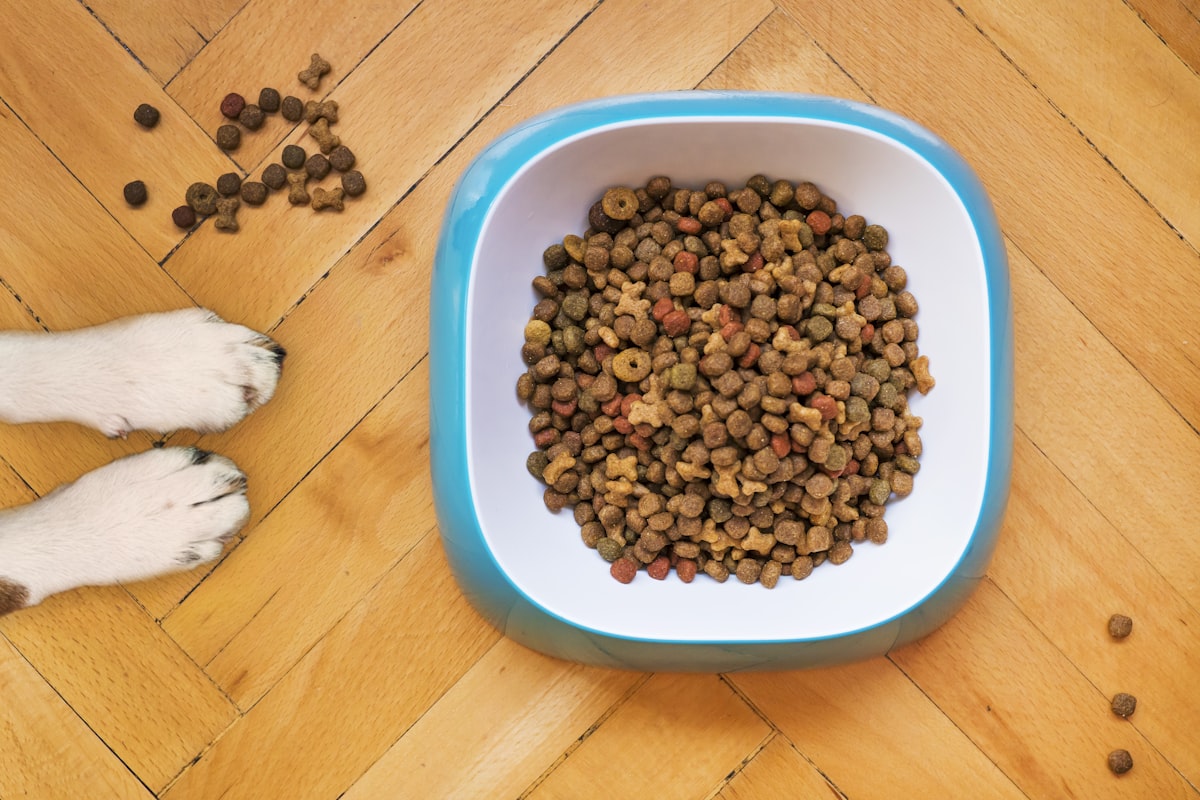
Looking for the perfect nutrition for your furry friend? Our 2026 buying guide to the best dog food and treats for Golden Retrievers covers everything you need to know. Discover top-rated options to keep your Golden healthy, happy, and thriving at every life stage.
Top Picks
- Pedigree Complete Nutrition Dog Food — Best Overall: This formula offers a balanced blend of essential nutrients, vitamins, and minerals, making it our top choice for overall health and vitality.
- Dog Treat Grain Free Natural — Best Grain-Free: Crafted without corn, wheat, or soy, these natural treats provide a delicious and easily digestible option for dogs with grain sensitivities.
- Dog Jerky Treats Chicken — Best Treat: Made with real chicken, these high-protein jerky treats deliver an irresistible taste and chewy texture that Golden Retrievers absolutely love.
- Greenies Dental Dog Treats — Best Dental Treat: These popular chews effectively clean teeth, freshen breath, and reduce plaque buildup, ensuring optimal oral hygiene for your dog.
- Dog Treat Freeze Dried Natural — Best Freeze-Dried: The freeze-drying process locks in the raw nutritional value and intense flavor of natural ingredients, offering a premium, nutrient-dense reward.
Golden Retrievers are renowned for their boundless energy, friendly disposition, and gorgeous golden coats. As one of the most popular dog breeds in the world, they bring immense joy to families and individuals alike. However, maintaining their vibrant health and signature shine requires more than just love and exercise; it demands a carefully curated diet tailored to their specific physiological needs. Navigating the vast landscape of canine nutrition can be overwhelming, especially with the myriad of options available on the market today. From kibble to raw diets, and from training treats to dental chews, every choice you make impacts your dog's longevity, energy levels, and overall well-being. In this comprehensive 2026 buying guide, we will delve deep into the nutritional requirements of Golden Retrievers, exploring the best options to keep your furry companion thriving at every stage of life.
Whether you are bringing home a playful eight-week-old puppy or caring for a distinguished senior dog, understanding what goes into their bowl is paramount. We have meticulously researched and evaluated the top products in the Dog Food & Treats category to bring you our definitive recommendations. This guide will not only highlight our top picks for the year but also provide you with the foundational knowledge needed to make informed decisions about your dog's diet. We will cover everything from macronutrient profiles and ingredient sourcing to portion control and specialized dietary needs. By the end of this article, you will be equipped with the insights necessary to optimize your Golden Retriever's nutrition, ensuring they remain a healthy, happy, and active member of your family for years to come. Always remember to consult your veterinarian before making any significant changes to your dog's diet, especially if they have pre-existing health conditions.
Why Do Golden Retrievers Need Specialized Nutrition?
Golden Retrievers are a large, active breed with a unique set of nutritional requirements and genetic predispositions. Their robust bodies and high energy levels demand a diet rich in high-quality proteins to support muscle maintenance and repair. Unlike smaller breeds that may require calorie-dense kibble to fuel rapid metabolisms, Golden Retrievers need a balanced caloric intake to prevent excessive weight gain. Obesity is a significant concern for this breed, as it can exacerbate underlying genetic conditions and significantly reduce their lifespan. Therefore, specialized nutrition for a Golden Retriever is not just about providing sustenance; it is about preventative healthcare and optimizing their quality of life through targeted dietary choices.
One of the primary health concerns for Golden Retrievers is joint health. They are genetically predisposed to conditions such as hip dysplasia and elbow dysplasia, which can cause severe pain and mobility issues as they age. A diet formulated for large breeds often includes precise ratios of calcium and phosphorus to ensure controlled bone growth during puppyhood, which is critical in preventing these developmental orthopedic diseases. Furthermore, adult and senior diets should ideally incorporate joint-supporting supplements like glucosamine and chondroitin. These compounds help maintain cartilage integrity and reduce inflammation in the joints, allowing your Golden to continue enjoying their favorite activities, whether that is retrieving a tennis ball or going for long hikes.
Another vital aspect of Golden Retriever nutrition is skin and coat health. Their beautiful, dense, water-repellent double coat requires specific nutrients to maintain its luster and prevent skin irritations. Omega-3 and Omega-6 fatty acids, typically sourced from fish oil or flaxseed, are essential for a healthy coat. These fatty acids not only provide a brilliant shine but also possess anti-inflammatory properties that can soothe itchy, dry skin—a common issue for Goldens prone to allergies. Additionally, a diet rich in antioxidants, vitamins A and E, and high-quality proteins will support the skin's barrier function, protecting your dog from environmental allergens and pathogens.
| Health Concern | Nutritional Support Strategy | Key Ingredients to Look For |
|---|---|---|
| Joint Health & Dysplasia | Controlled growth in puppies; cartilage support in adults | Glucosamine, Chondroitin, balanced Calcium/Phosphorus |
| Skin & Coat Maintenance | Anti-inflammatory support and lipid barrier enhancement | Omega-3 & Omega-6 fatty acids, Vitamin E, Biotin |
| Cardiac Function | Support heart muscle contractility and overall cardiovascular health | Taurine, L-Carnitine, high-quality animal proteins |
| Weight Management | Caloric control and promoting satiety without excess fat | Lean proteins, complex carbohydrates, dietary fiber |
What Should You Look For in Dog Food & Treats for Golden Retrievers?
When navigating the aisles of your local pet store or browsing online for the best Dog Food & Treats, the sheer volume of choices can be paralyzing. To make the best decision for your Golden Retriever, it is crucial to look beyond the marketing claims on the front of the bag and focus on the ingredient list and guaranteed analysis on the back. The foundation of any high-quality dog food is a premium source of animal protein. Look for specific, named meat sources—such as deboned chicken, beef, lamb, or salmon—as the first ingredient. Avoid generic terms like "meat meal" or "poultry by-product," as these can vary in quality and nutritional value. High-quality protein is essential for maintaining your Golden's lean muscle mass and supporting their active lifestyle.
In addition to protein, the source and quality of carbohydrates are vital considerations. Carbohydrates provide the necessary energy for your dog's daily activities and play a crucial role in digestive health. Opt for complex carbohydrates like sweet potatoes, brown rice, oatmeal, and barley, which offer a steady release of energy and are rich in dietary fiber. Fiber is essential for maintaining healthy digestion and firm stools, which is particularly important for Golden Retrievers with sensitive stomachs. It is generally advisable to avoid foods that rely heavily on cheap fillers like corn, wheat, and soy, as these offer limited nutritional value and can be common allergens for some dogs.
Fats are another critical component of a balanced canine diet. While it is important to monitor fat intake to prevent obesity, healthy fats are necessary for energy, brain function, and maintaining that signature golden coat. Look for named fat sources such as chicken fat, salmon oil, or flaxseed. These ingredients are rich in essential fatty acids, particularly Omega-3 and Omega-6, which are vital for skin and coat health, immune system function, and reducing inflammation. A proper balance of these fatty acids will keep your Golden Retriever's coat shiny and their skin free from dryness and irritation.
| Macronutrient | Ideal Percentage (Dry Matter) | Primary Function | Best Sources |
|---|---|---|---|
| Protein | 22% - 30% | Muscle maintenance, tissue repair, immune support | Chicken, Beef, Lamb, Salmon, Turkey |
| Fat | 12% - 18% | Energy density, brain health, skin and coat maintenance | Salmon oil, Chicken fat, Flaxseed, Canola oil |
| Carbohydrates | 30% - 50% | Sustained energy, digestive health (fiber) | Sweet potatoes, Brown rice, Oatmeal, Barley |
| Fiber | 3% - 5% | Gastrointestinal motility, stool consistency, satiety | Pumpkin, Beet pulp, Chicory root, Apples |
Best Overall: Pedigree Complete Nutrition Dog Food
When it comes to providing a well-rounded, accessible, and nutritionally complete diet for your Golden Retriever, Pedigree Complete Nutrition Dog Food stands out as our Best Overall pick for 2026. This formula has been a staple in the canine nutrition world for years, and its latest iteration continues to deliver on its promise of balanced nutrition for adult dogs. Formulated to meet the nutritional levels established by the AAFCO Dog Food Nutrient Profiles, this kibble provides a solid foundation for your Golden's daily dietary needs. It is designed to support the four universal needs of dogs: skin and coat health, oral care, digestion, and immunity, making it a comprehensive choice for pet owners seeking reliability and value.
One of the standout features of this formula is its inclusion of optimal levels of Omega-6 fatty acid and zinc. For a Golden Retriever, whose double coat is a defining characteristic, these nutrients are non-negotiable. The combination of zinc and Omega-6 works synergistically to nourish the skin from within, promoting a healthy, resilient lipid barrier and a visibly shiny coat. Regular consumption of this diet can help mitigate common skin issues such as dryness and flakiness, ensuring your Golden looks as good as they feel. Furthermore, the kibble's crunchy texture is specifically engineered to help clean teeth and support healthy gums, addressing the crucial aspect of canine oral hygiene with every bite.
Digestive health is another area where this food excels. It features a blend of whole grains and a specialized fiber blend that promotes healthy digestion and optimal nutrient absorption. Golden Retrievers can sometimes have sensitive stomachs, and a diet that supports a healthy gut microbiome is essential for preventing gastrointestinal upset. The inclusion of highly digestible ingredients ensures that your dog is getting the maximum benefit from every meal, resulting in smaller, firmer stools and less digestive discomfort. Additionally, the formula is enriched with antioxidant vitamins E and C, which play a vital role in supporting a strong immune system, helping your dog fend off environmental stressors and maintain overall vitality.
| Feature | Benefit for Golden Retrievers | Considerations |
|---|---|---|
| Omega-6 & Zinc | Promotes a healthy, shiny coat and resilient skin barrier | May need supplemental Omega-3s for optimal balance |
| Crunchy Kibble Texture | Helps reduce plaque and tartar buildup during chewing | Not a replacement for regular veterinary dental cleanings |
| Antioxidant Blend (Vit E & C) | Supports a robust immune system and cellular health | Standard inclusion in most commercial diets |
| Whole Grains & Fiber | Aids in healthy digestion and firm stool consistency | Not suitable for dogs with specific grain allergies |
Best Grain-Free: Natural Grain-Free Dog Treats
For Golden Retrievers with specific dietary sensitivities or those following a specialized diet, finding the right treats can be a challenge. That is why we have selected Natural Grain-Free Dog Treats as our Best Grain-Free option for 2026. These treats are meticulously crafted without the use of corn, wheat, soy, or any artificial additives, making them an exceptionally safe and healthy choice for dogs prone to food allergies or intolerances. Food allergies in Golden Retrievers often manifest as itchy skin, chronic ear infections, or gastrointestinal distress, and eliminating common triggers like certain grains can provide significant relief and improve their overall quality of life.
What sets these treats apart is their commitment to high-quality, natural ingredients. Instead of relying on cheap grain fillers, they utilize alternative carbohydrate sources such as sweet potatoes or peas, which are not only highly digestible but also rich in essential vitamins, minerals, and dietary fiber. This ensures that your dog is receiving a nutritious snack that supports their digestive health rather than hindering it. The primary ingredient is always a premium source of animal protein, providing the savory flavor that dogs crave and the amino acids necessary for muscle repair and maintenance. This focus on quality ingredients makes these treats a guilt-free way to reward your furry friend.
The texture and palatability of these treats are also noteworthy. They are designed to be highly appealing to dogs, with a satisfying crunch or a chewy consistency depending on the specific variety. This makes them an excellent tool for training and positive reinforcement. Golden Retrievers are highly intelligent and eager to please, and using a high-value, delicious treat can significantly enhance the effectiveness of your training sessions. Because they are grain-free and made with easily digestible ingredients, you can use them generously during training without worrying about upsetting your dog's stomach or contributing to excessive weight gain, provided you monitor their overall caloric intake.
| Ingredient Profile | Traditional Treats | Natural Grain-Free Treats |
|---|---|---|
| Primary Carbohydrates | Wheat, Corn, Soy | Sweet Potatoes, Peas, Chickpeas |
| Allergen Potential | High (due to common grain allergens) | Low (ideal for dogs with grain sensitivities) |
| Digestibility | Moderate to Low | High (utilizes easily digestible alternatives) |
| Artificial Additives | Often contains artificial colors and flavors | Free from artificial colors, flavors, and preservatives |
Best Treat: Chicken Jerky Dog Treats
When it comes to high-value rewards that will make your Golden Retriever sit at attention, Chicken Jerky Dog Treats are unparalleled, earning our Best Treat award for 2026. These treats tap into a dog's primal craving for real meat, offering an irresistible aroma and a satisfyingly chewy texture that dogs simply cannot resist. Made with real, high-quality chicken as the primary ingredient, these jerky treats provide a protein-packed snack that is both delicious and nutritious. For a breed as food-motivated as the Golden Retriever, having a top-tier treat in your arsenal is essential for effective training, behavior modification, and building a strong bond with your pet.
The beauty of these chicken jerky treats lies in their simplicity. Unlike many commercial treats that are loaded with complex ingredient lists, artificial preservatives, and unnecessary fillers, high-quality jerky focuses on the meat itself. The slow-roasting or dehydrating process used to create the jerky concentrates the natural flavors of the chicken, resulting in a highly palatable reward that does not require artificial flavor enhancers. This minimalist approach to ingredients means that you know exactly what you are feeding your dog, making it easier to manage their diet and avoid potential allergens. It is a pure, unadulterated source of protein that supports muscle health and provides a quick energy boost.
The chewy texture of jerky treats also offers distinct benefits. While not a replacement for dedicated dental chews, the act of gnawing on a tough piece of jerky can provide some mechanical cleaning action for the teeth and gums. More importantly, the chewing process is mentally stimulating and inherently satisfying for dogs. It can help alleviate boredom and reduce mild anxiety, making jerky an excellent treat to offer when you need your Golden Retriever to settle down and focus on a quiet activity. The substantial nature of the treat means it takes a little longer to consume than a standard biscuit, prolonging the enjoyment and the reward experience.
| Treat Characteristic | Chicken Jerky Treats | Standard Biscuit Treats |
|---|---|---|
| Primary Ingredient | Real Chicken Breast | Wheat Flour or Corn Meal |
| Protein Content | Very High (often >50%) | Low to Moderate (typically 10-20%) |
| Texture | Tough, Chewy, satisfying to gnaw | Crunchy, crumbly, quickly consumed |
| Palatability (Value) | Extremely High (Excellent for training) | Moderate (Good for casual rewards) |
Best Dental Treat: Greenies Dental Dog Treats
Oral hygiene is a frequently overlooked aspect of canine health, yet it is absolutely critical for a dog's overall well-being. Periodontal disease is incredibly common in dogs, and if left untreated, it can lead to tooth loss, severe pain, and even systemic health issues affecting the heart, liver, and kidneys. For Golden Retrievers, maintaining clean teeth and healthy gums is essential. That is why Greenies Dental Dog Treats have earned our Best Dental Treat award for 2026. These iconic, toothbrush-shaped chews are not just a tasty snack; they are a scientifically formulated tool designed to actively improve your dog's dental health with every bite.
The effectiveness of these dental treats lies in their unique texture and design. They are engineered to be delightfully chewy, which encourages dogs to gnaw on them rather than swallowing them whole. This prolonged chewing action allows the treat to physically scrape against the teeth, effectively wiping away soft plaque before it has a chance to harden into stubborn tartar. The shape of the treat is also purposeful, featuring ridges and valleys that help clean hard-to-reach areas down to the gumline. Regular use of these treats has been designed to reduce plaque and tartar buildup, freshen breath, and maintain healthier gums, making them a vital component of a comprehensive home dental care routine.
Beyond their mechanical cleaning properties, these treats are formulated with highly soluble ingredients, ensuring they are easy to digest. This is a crucial safety feature, as some dental chews on the market can pose a choking hazard or cause intestinal blockages if large pieces are swallowed. The highly digestible nature of these treats provides peace of mind for pet owners, knowing that the chew will break down safely in the digestive tract. Furthermore, they are nutritionally complete and balanced for adult dogs, fortified with essential vitamins and minerals, meaning they contribute positively to your dog's overall diet rather than just adding empty calories.
| Dental Care Method | Effectiveness | Ease of Use | Frequency |
|---|---|---|---|
| Professional Vet Cleaning | Highest (Removes hardened tartar below gumline) | Low (Requires anesthesia and vet visit) | Annually (or as recommended by vet) |
| Daily Tooth Brushing | High (Best for daily plaque removal) | Moderate (Requires training and dog cooperation) | Daily |
| Greenies Dental Treats | Moderate to High (Reduces plaque and freshens breath) | Very High (Dogs view it as a high-value treat) | Daily (1 treat per day) |
| Water Additives | Low to Moderate (Helps freshen breath and reduce bacteria) | Very High (Simply add to water bowl) | Daily |
Best Freeze-Dried: Natural Freeze-Dried Dog Treats
In recent years, the pet food industry has seen a massive surge in the popularity of raw and minimally processed diets, and freeze-dried treats are at the forefront of this movement. For 2026, our Best Freeze-Dried award goes to Natural Freeze-Dried Dog Treats. These treats offer the nutritional benefits of a raw diet with the convenience and safety of a traditional dry treat. The freeze-drying process involves rapidly freezing the raw ingredients and then placing them in a vacuum, which removes the moisture without the use of high heat. This gentle process preserves the delicate cellular structure, enzymes, and nutritional integrity of the raw meat, resulting in a nutrient-dense, highly bioavailable snack.
The primary advantage of these freeze-dried treats is their unparalleled ingredient purity. They are typically made from a single ingredient—such as 100% pure beef liver, chicken breast, or wild-caught salmon—with absolutely no added fillers, preservatives, or artificial flavors. This makes them an exceptional choice for Golden Retrievers with severe food allergies, sensitive stomachs, or those on strict elimination diets. Because you are feeding pure, unadulterated protein, you can be confident that your dog is receiving a biologically appropriate reward that aligns with their evolutionary dietary needs. The intense, concentrated flavor of the raw meat is also incredibly appealing to dogs, making these treats highly effective for training.
Another significant benefit of freeze-dried treats is their versatility. They can be fed straight out of the bag as a quick, high-value reward, or they can be easily crumbled over your dog's regular kibble to act as a nutritional and flavor-enhancing meal topper. This is particularly useful for Golden Retrievers who may be picky eaters or those recovering from illness who need an extra enticement to eat their meals. The lightweight and shelf-stable nature of freeze-dried treats also makes them incredibly convenient for travel, hiking, or keeping in your pocket during walks, without the mess or spoilage concerns associated with fresh raw meat.
| Processing Method | Nutrient Retention | Moisture Content | Shelf Life & Convenience |
|---|---|---|---|
| Freeze-Dried | Excellent (Preserves enzymes and heat-sensitive vitamins) | Very Low (< 5%) | High (Shelf-stable, lightweight, no refrigeration needed) |
| Dehydrated / Air-Dried | Good (Some nutrient loss due to low heat exposure) | Low (10-15%) | High (Shelf-stable, chewy texture) |
| Baked / Extruded (Kibble/Biscuits) | Moderate (High heat destroys some natural nutrients) | Low (10%) | Very High (Extremely stable, easy to store) |
| Fresh Raw | Maximum (Completely unaltered nutritional profile) | High (70-80%) | Low (Requires freezing/refrigeration, strict hygiene) |
How Much and How Often Should You Feed Your Golden Retriever?
Determining the correct portion size and feeding schedule for your Golden Retriever is just as important as selecting the right food. Overfeeding is a common pitfall that can lead to obesity, a condition that severely impacts a Golden's quality of life and exacerbates joint issues like hip dysplasia. Conversely, underfeeding can result in nutritional deficiencies and poor development, particularly in growing puppies. The exact amount of food your dog needs depends on a complex interplay of factors, including their age, weight, metabolic rate, activity level, and whether they are spayed or neutered. Therefore, the feeding guidelines on the back of the dog food bag should be viewed as a starting point, not an absolute rule.
For Golden Retriever puppies, rapid growth requires a higher caloric intake and more frequent meals. Puppies between the ages of eight weeks and six months should generally be fed three to four times a day. This frequent feeding schedule helps sustain their energy levels and supports their developing digestive systems. As they reach six months of age, you can typically transition them to two meals a day. It is crucial to feed a diet specifically formulated for large breed puppies during this phase to ensure controlled growth and prevent developmental orthopedic diseases. Always monitor their body condition score—you should be able to feel their ribs without pressing hard, but the ribs should not be visibly protruding.
Adult Golden Retrievers (typically from one to seven years of age) generally thrive on two meals a day—one in the morning and one in the evening. This schedule helps regulate their digestion and prevents the dangerous condition known as gastric dilatation-volvulus (GDV), or bloat, which large, deep-chested breeds are prone to. To further reduce the risk of bloat, avoid feeding your dog immediately before or after vigorous exercise, and consider using a slow-feeder bowl if your dog tends to gulp their food rapidly. The total daily portion for an adult Golden usually ranges from 2 to 3 cups of high-quality dry food, but this must be adjusted based on their individual activity level. A working dog or one that hikes daily will require significantly more calories than a sedentary companion.
| Life Stage | Age Range | Feeding Frequency | General Dietary Focus |
|---|---|---|---|
| Puppy | 8 weeks - 6 months | 3 to 4 meals per day | Controlled growth, high protein, balanced calcium/phosphorus for large breeds |
| Adolescent | 6 months - 12 months | 2 meals per day | Transitioning to adult maintenance, monitoring body condition closely |
| Adult | 1 year - 7 years | 2 meals per day | Maintaining lean muscle mass, preventing obesity, supporting coat and joint health |
| Senior | 7+ years | 2 meals per day (or smaller, frequent meals) | Lower calories, higher fiber, increased joint support (glucosamine/chondroitin) |
Putting It All Together: A Lifelong Approach to Your Golden's Diet
Navigating the world of canine nutrition can seem daunting, but armed with the right knowledge, you can make choices that profoundly impact your Golden Retriever's health and happiness. As we have explored in this 2026 buying guide, there is no single "perfect" food for every dog. The best diet is one that is tailored to your individual dog's age, activity level, health status, and specific sensitivities. Whether you choose our Best Overall pick for comprehensive daily nutrition, opt for a grain-free alternative to manage allergies, or incorporate high-value jerky and freeze-dried treats for training, the key is to prioritize high-quality ingredients and balanced macronutrient profiles.
Remember that nutrition is a lifelong journey, not a one-time decision. As your Golden Retriever transitions from a playful puppy to an active adult and eventually to a distinguished senior, their dietary needs will inevitably change. It is your responsibility as a pet owner to remain observant and adaptable. Regularly assess your dog's body condition, monitor the health of their skin and coat, and pay attention to their energy levels and digestive regularity. These physical indicators are the best feedback mechanism you have to determine if their current diet is truly serving them well. Do not hesitate to make adjustments as needed, but always do so gradually to avoid gastrointestinal upset.
Furthermore, while high-quality food and treats are the foundation of good health, they are just one piece of the puzzle. A holistic approach to your Golden Retriever's well-being must also include regular, vigorous exercise to maintain muscle tone and cardiovascular health, mental stimulation to prevent boredom and destructive behaviors, and routine veterinary care. Your veterinarian is your most valuable partner in managing your dog's health. They can provide personalized dietary recommendations, perform necessary health screenings, and help you navigate any specific medical conditions that may arise.
Frequently Asked Questions
How much food should I feed my Golden Retriever daily?
The exact amount depends on your Golden Retriever's age, weight, and activity level, but most adults need between 2 to 3 cups of high-quality dry food per day, divided into two meals. Always consult your veterinarian to determine the ideal portion size for your specific dog to prevent obesity.
Are grain-free diets safe for Golden Retrievers?
Grain-free diets can be beneficial for dogs with specific grain allergies, but they are not strictly necessary for all Golden Retrievers. Some studies have investigated a potential link between certain grain-free diets and heart issues in dogs, so it is crucial to discuss any major dietary changes with your vet.
What are the most common food allergies in Golden Retrievers?
Golden Retrievers can develop allergies to common proteins like beef, chicken, and dairy, as well as certain grains like wheat or corn. Symptoms often include itchy skin, ear infections, and gastrointestinal upset, which should be evaluated by a professional to identify the exact trigger.
Should I give my Golden Retriever joint supplements?
Because Golden Retrievers are prone to joint issues like hip dysplasia, many veterinarians recommend foods or supplements containing glucosamine and chondroitin. Starting these early in adulthood can help support long-term joint health and mobility, but always ask your vet for personalized advice.
How often should I give my Golden Retriever dental treats?
Dental treats can be given daily as part of a comprehensive oral hygiene routine, which should also include regular brushing. Be sure to account for the calories in dental treats when calculating your dog's daily food intake to maintain a healthy weight.