Best Food for French Bulldogs: Top Picks for 2026
By Michelle — Michelle's Pet Shop. Published April 8, 2026. 19 min read.
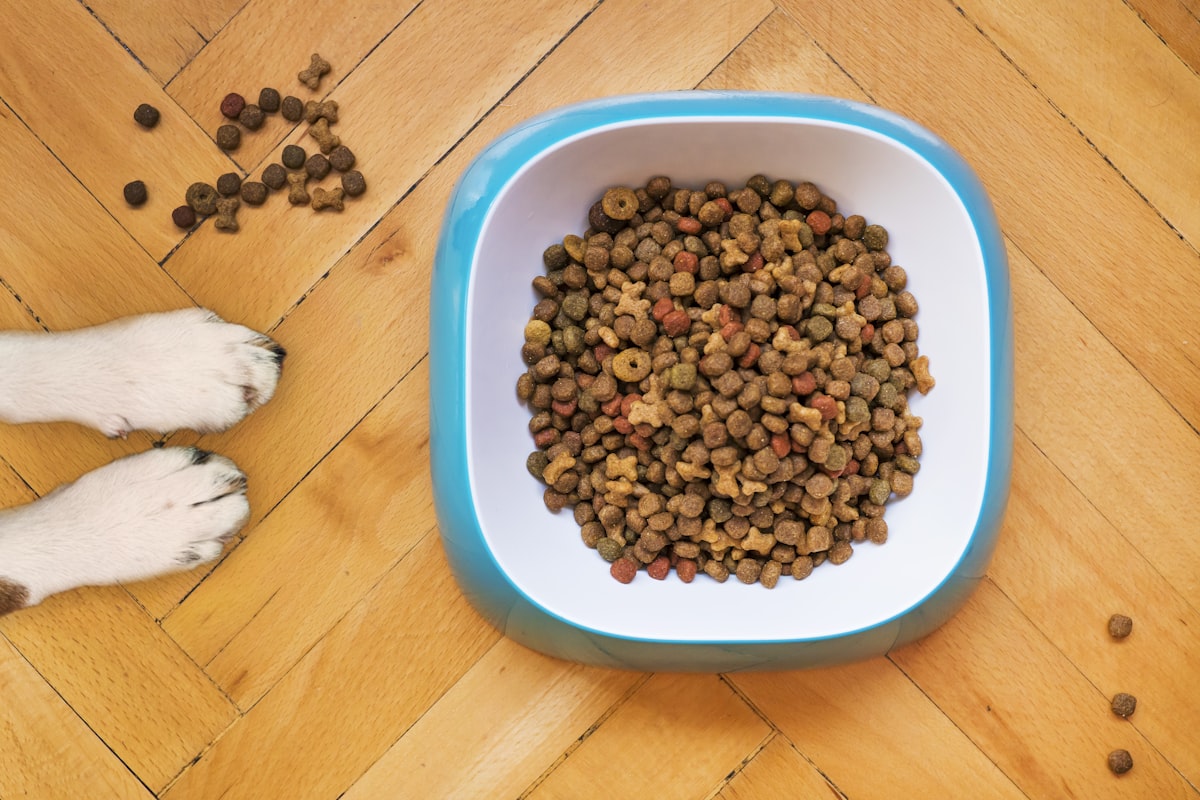
Discover the top food and treat picks for French Bulldogs in our comprehensive 2026 buying guide. We cover everything from the best overall nutrition to specialized dental and training treats, ensuring your Frenchie stays healthy, happy, and well-fed.
Top Picks
- Pedigree Complete Nutrition Dog Food — Best Overall: A balanced, complete formula in smaller kibble that suits French Bulldogs' short muzzles and helps maintain healthy weight and coat as an everyday diet.
- Dog Treat Grain Free Natural — Best Grain-Free: Grain-free, limited-ingredient recipe ideal for French Bulldogs with grain sensitivities, offering high palatability without unnecessary fillers.
- Dog Jerky Treats Chicken — Best Treat: Soft, meaty jerky that is highly palatable and easy for French Bulldogs to chew, making it a great occasional, high-value reward.
- Dog Freeze Dried Liver Treats — Best Training Treat: Aroma-rich, freeze-dried liver that breaks into tiny pieces for training, providing a powerful incentive without overfeeding French Bulldogs.
- Greenies Dental Dog Treats — Best for Dental: Designed to encourage chewing with a texture and size suited to French Bulldogs' jaws, helping to clean teeth and freshen breath when used regularly.
French Bulldogs are beloved for their playful personalities and compact, muscular builds — but beneath that charming exterior lies a set of nutritional needs that differ from many other breeds. Whether you’re shopping for daily kibble, targeted formulas for skin or digestive health, or the perfect training treats, our curated picks at Dog Food & Treats make it easier to choose food that supports your Frenchie’s unique life stage and sensitivities.
This 2026 buying guide covers the science behind breed-specific nutrition, how to read labels, the best ingredient profiles for French Bulldogs, and practical feeding strategies for puppies, adults, and seniors. For quick access to products mentioned, visit our Dog Food & Treats selection — and read on to learn why a tailored diet can significantly improve your French Bulldog’s quality of life.
Why Do French Bulldogs Need Specialized Nutrition?
French Bulldogs are a brachycephalic breed with a compact frame, unique facial anatomy, and a predisposition to several health issues that make nutrition more than just a matter of filling a bowl. Their shortened muzzle can affect breathing and cooling, which in turn influences activity levels and metabolic demands. Many Frenchies are prone to overweight and obesity because lower exercise tolerance coupled with a hearty appetite leads to excess calorie accumulation. Overweight French Bulldogs are more likely to develop joint pain, intervertebral disc problems, and respiratory distress, so calorie-dense foods without portion control can worsen these risks.
Beyond weight, French Bulldogs commonly face dermatological and gastrointestinal sensitivities. Skin allergies manifest as itching, recurrent ear infections, and dermatitis; these often respond well to diets rich in omega-3 & omega-6 fatty acids and limited ingredient or novel-protein formulas that reduce exposure to common allergens. Digestive upset — from chronic loose stools to food intolerances — is also frequent. Probiotic support, highly digestible proteins, and moderate fiber levels are important in formulas designed for this breed to promote stable stool consistency and optimal nutrient absorption.
Dental health and kibble design are practical but often overlooked considerations. Frenchies have brachycephalic mouths and some dental crowding; smaller, flatter kibble shapes encourage chewing and reduce the risk of inhalation or choking. Wet food or moistened dry food can be easier for puppies and seniors with dental issues, but moisture content must be balanced with calorie control to prevent weight gain. Because French Bulldogs can be sensitive to fat-induced pancreatitis, diets should avoid excessive fat levels while still providing enough quality fat for skin, coat, and energy.
Joint support is another area where specialized nutrition helps. While French Bulldogs are not as large as mastiffs, they carry heavy musculature and a compact skeleton that can strain joints, especially if they become overweight. Glucosamine, chondroitin, and controlled calcium-to-phosphorus ratios help maintain joint and bone health, particularly in growing puppies and active adults. Additionally, antioxidant-rich ingredients support immune health, and targeted vitamin & mineral profiles aid in longevity and vitality.
Feeding strategy matters as much as formula choice. Portion control, calorie tracking, and scheduled feeding (rather than free-feeding) reduce obesity risk and give owners better control over treat allocation and medication dosing. Rotational feeding with careful ingredient consideration can prevent overexposure to a single protein source, but any major change should be implemented gradually over 7–10 days to avoid GI upset. Always consult your veterinarian before switching diets or adding supplements to ensure the plan fits your French Bulldog’s medical history and life stage.
| Aspect | General Dog Food | French Bulldog-Specific Needs |
|---|---|---|
| Kibble Shape & Size | Standard sizes for medium/large mouths | Smaller, flatter kibble to reduce choking & encourage chewing |
| Calorie Density | Varies; many high-calorie adult formulas | Moderate calorie density with clear portion guidelines to prevent obesity |
| Fat Content | Often higher for active dogs | Balanced fat for skin health but not excessive to reduce pancreatitis risk |
| Protein Source | Common proteins like chicken, beef | Novel or limited-ingredient options for food-sensitive dogs |
| Digestive Support | General fiber & digestibility | Highly digestible proteins, probiotics, and controlled fiber |
| Joint & Skin Support | May be absent in standard formulas | Added glucosamine, chondroitin, omega fatty acids |
Best Overall: Pedigree Complete Nutrition Dog Food
For French Bulldogs that need a reliable, everyday diet that balances quality with affordability, Pedigree Complete Nutrition Dog Food earns the Best Overall slot. This formula consistently delivers a wide spectrum of essential nutrients—high-quality protein for muscle maintenance, moderate fat for steady energy, and vitamins & minerals to support overall health—making it a strong match for the typical Frenchie lifestyle: active play interspersed with long periods of relaxation.
French Bulldogs have a unique set of nutritional needs: they’re compact and muscular, prone to weight gain, sensitive around the respiratory tract due to brachycephalic anatomy, and often show skin or digestive sensitivities. Pedigree’s Complete Nutrition stands out because it balances calorie density and macronutrient ratios so owners can support lean muscle without overfeeding. The crunchy kibble helps encourage chewing and can reduce soft-pellet consumption that sometimes leads to overeating, while the texture is still approachable for Frenchies with shorter muzzles.
Another reason this product tops our list is its focus on skin & coat support. The formula contains omega-6 fatty acids and zinc, nutrients that help maintain a healthy skin barrier and glossy coat—important for Frenchies who commonly experience dermatitis or dry skin. In addition, the blend of fiber and prebiotic ingredients supports predictable digestion, which is useful for pet parents managing occasional stool changes or food transitions.
Beyond nutrition, Pedigree Complete Nutrition is widely available and budget-friendly, making it an excellent daily feeding option for families with one or multiple French Bulldogs. Consistent manufacturing standards and straightforward ingredient lists mean you can reliably purchase the same product across stores or online without frequent formula changes. For owners who prioritize convenience and consistent acceptance at mealtime, this is a practical advantage.
Finally, while specialty diets are necessary for some dogs with diagnosed allergies or medical conditions, Pedigree’s Complete Nutrition is a versatile baseline diet for healthy Frenchies or as the foundation during weight maintenance and life-stage transitions. It’s easy to mix with wet toppers, rotate with limited-ingredient meals, or use as the primary diet when combined with portion control and regular veterinary checkups.
| Nutrient | Typical Value |
|---|---|
| Crude Protein | ~22% |
| Crude Fat | ~12% |
| Crude Fiber | ~5% |
| Calories | ~350 kcal/cup |
| Key Support | Omega-6 & zinc for skin, vitamins & minerals for overall health |
Best Grain-Free: Dog Treat Grain Free Natural
For French Bulldogs that show sensitive skin, recurrent ear infections, or loose stools after treats, the Dog Treat Grain Free Natural stands out as our Best Grain-Free choice. These treats earned the award by combining a limited-ingredient, transparent recipe with textures and portioning tailored to small-breed training needs. Frenchies frequently have delicate digestive systems and thin skin barriers that react visibly to dietary triggers, so a treat designed to minimize common culprits is a practical way to help reduce flare-ups while keeping rewards in play.
What makes these treats particularly well-suited for French Bulldogs is the focus on eliminating common grain-based fillers—corn, wheat, and soy—which are often suspected by owners of causing food reactions. While true grain allergies in dogs are less common than protein allergies, removing grains narrows the list of ingredients and simplifies identification of what does or does not agree with an individual dog. In practice, many owners report fewer itchy episodes and improved stool quality after switching to a grain-free, limited-ingredient treat like this one.
Beyond “grain-free” status, the product emphasizes digestible carbohydrate sources and a single or limited protein profile to reduce immune system exposure. That approach makes the treats an excellent tool for elimination trials: you can use them during a trial period to test whether symptoms improve without introducing multiple new ingredients. The small size and calorie-controlled formulation also help you reward frequently without overfeeding a brachycephalic breed that can gain weight quickly.
Texture and palatability matter for French Bulldogs, who can be picky or prefer softer morsels due to dental wear. These treats strike a balance—offering enough bite to promote brief chewing (which can be good for tartar control) while remaining soft enough for older or shorter-snouted dogs. Ingredients avoid artificial colors, flavors, and common preservatives, relying on natural preservation methods that align with many owners’ preferences for clean-label products.
It’s important to note that grain-free isn’t automatically better for every dog. Recent veterinary discussions have examined long-term grain-free diets and cardiac health when used across full daily rations; however, as an occasional treat, a well-formulated grain-free option is generally safe and useful for pinpointing sensitivities. Always keep treats to a modest percentage of daily calories and consult your veterinarian if your Frenchie has chronic skin or gastrointestinal issues.
| Feature | Grain-Free Treats | Grain-Inclusive Treats |
|---|---|---|
| Common allergens | Reduce exposure to grain-based fillers like wheat/corn/soy | Contain multiple potential triggers, complicating diagnosis |
| Digestibility | Often easier for dogs with sensitive stomachs | May be fine for most dogs but harder to isolate issues |
| Use in elimination trials | Ideal due to limited ingredients | Less ideal; more ingredient variables |
| Suitability for French Bulldogs | High—small size, controlled calories, gentle ingredients | Variable—may be acceptable but monitor reactions |
Best Treat: Dog Jerky Treats Chicken
When we set out to pick the Best Treat for French Bulldogs, the winner had to balance irresistible flavor with sensible nutrition, portion control, and an appropriate texture for brachycephalic mouths. Dog Jerky Treats Chicken rose to the top because it delivers real poultry taste in a lean, concentrated format that works for training, short rewards, and everyday snacking without derailing a carefully controlled diet.
Protein is central to a French Bulldog's diet: these compact, muscular dogs need high-quality protein to maintain lean mass, support skin & coat health, and help with recovery after play. Dog Jerky Treats Chicken emphasizes meat-first ingredients and provides dense protein in small servings, which lets owners reward behaviors and reinforce training without adding large volumes of carbohydrate or filler calories. That concentrated protein profile helps preserve muscle during weight management phases, a frequent concern for Frenchies who are prone to weight gain.
Texture and portion are equally important. French Bulldogs have short muzzles and limited jaw room, so treats that are too large, hard, or flaky increase choking risk or frustrate training sessions. These chicken jerky treats are designed to be pliable and easily portioned: you can cut or tear them into tiny training bits, or offer a longer strip for enrichment. The chew provides enough bite to feel rewarding, but not so much that it encourages excessive chewing or strain on the jaw.
Digestive tolerance and ingredient simplicity matter for a breed with common sensitivities. Chicken is a highly digestible protein source for most dogs, and the jerky format typically involves minimal processing and fewer artificial additives than baked biscuits. This clean-label approach reduces the chance of gastrointestinal upset or skin flare-ups, provided the dog does not have a specific poultry allergy. The natural aroma of the jerky also makes it highly motivating, which is useful for Frenchies who can sometimes be stubborn during training.
As with any treat, moderation is key. Jerky treats are concentrated, so their calorie impact can add up quickly if fed freely. We recommend using these as high-value rewards for specific training goals or as an occasional special snack, rather than a daily staple. Always ensure your French Bulldog has access to fresh water, as the low moisture content of jerky can increase thirst.
| Benefit | Why it Matters for French Bulldogs |
|---|---|
| High Protein | Supports lean muscle mass and recovery |
| Pliable Texture | Easy to chew and portion for brachycephalic mouths |
| Minimal Processing | Reduces exposure to artificial additives and fillers |
| Strong Aroma | Highly motivating for training and engagement |
Best Training Treat: Dog Freeze Dried Liver Treats
Dog Freeze Dried Liver Treats earn the "Best Training Treat" title for French Bulldogs because they combine irresistible scent, single-ingredient simplicity, and a portion-friendly format that suits frequent reward-based training. Frenchies respond best to high-value treats that are small, aromatic, and quick to consume; freeze-dried liver checks every box while making it easy to manage daily calorie intake during intensive sessions.
Motivation is central to successful training, especially with brachycephalic breeds like French Bulldogs that can tire quickly. The concentrated liver aroma creates immediate engagement, cutting through distractions and encouraging focus on you. Because freeze-dried liver is intensely flavorful, you can use much smaller pieces than with soft or baked treats and still get the same enthusiastic response, which multiplies your effective training rewards without adding excess calories.
Calorie control is often the deciding factor when choosing a training treat. French Bulldogs are prone to weight gain, so reward strategies must prioritize low-volume, high-impact treats. These liver bites are nutrient-dense, meaning a pinch-sized fragment delivers a powerful reward without a large calorie load. Trainers should break pieces into pea-sized bits for multiple repetitions; the texture holds together for handling but breaks easily to portion, which reduces the temptation to overfeed while preserving the treat's value.
Ingredients matter for sensitive pups. Freeze-dried liver is typically a single-ingredient product with no fillers, artificial flavors, or excess carbohydrates that can trigger digestive upset. That makes it ideal for dogs with food sensitivities or handlers who want transparent labeling. The minimal processing also retains natural vitamins & amino acids that support recovery after activity, and the low-moisture format reduces spoilage compared to wet treats when used on walks or in training classes.
Practical aspects—size, portability, and cleanliness—also tipped the scales. The treats are lightweight, compact, and non-greasy, so they fit easily in a training pouch and won’t leave residue on your hands or floors. For French Bulldogs who may gulp quickly, the treat’s firm but brittle texture encourages chewing when pieces are appropriately sized, lowering the risk of rapid inhalation during high-excitement drills.
| Criteria | Why it Matters | How this Product Scores |
|---|---|---|
| Palatability | Drives focus & quick responses | Excellent – concentrated liver aroma |
| Calorie Density & Portion Control | Prevent weight gain during frequent rewards | Very Good – breakable into tiny pieces |
| Texture & Size | Safe for brachycephalic breathing & easy to handle | Good – firm but friable |
| Ingredients | Reduces allergy risk & supports digestion | Excellent – single-ingredient liver |
| Convenience & Storage | On-the-go training & freshness retention | Excellent – lightweight & shelf-stable |
In short, Dog Freeze Dried Liver Treats balance motivational power with portion precision, making them the top pick for training French Bulldogs without compromising weight management or digestive comfort. Break them into micro-rewards for long sessions, carry them to classes, and use them to reinforce both basic obedience and trick training with minimal caloric impact.
Best for Dental: Greenies Dental Dog Treats
Greenies Dental Dog Treats earned the "Best for Dental" pick for French Bulldogs because they combine texture, size options, and proven plaque-&tartar control into a daily chew that complements a brachycephalic dog’s unique oral needs. Frenchies have compact mouths and tightly spaced teeth, and Greenies are designed to offer a mechanical scrubbing action along tooth surfaces while remaining easily digestible when given in the correct size and frequency.
Brachycephalic breeds like French Bulldogs have a shorter skull and often crowded teeth, rotated incisors, and a higher chance of retained baby teeth. Those anatomical differences create pockets where plaque and bacteria accumulate quickly, increasing the risk of periodontal disease. Greenies work as part of a preventive routine by using a rubbery, pliable texture that bends around tooth contours to lift plaque off the enamel and between teeth rather than simply being chewed to dust.
Beyond texture, Greenies are available in specific size options and formulations, which matters for French Bulldogs. Choosing the right size prevents accidental swallowing of large pieces and ensures the treat contacts the tooth surface for long enough to be effective. For compact-jawed dogs, the right Greenies size maximizes the surface area contact and provides a safe, manageable chew session that encourages natural chewing without forcing the jaw into unnatural positions.
Clinical support and veterinary recommendations are also part of why Greenies stand out. Independent studies and vet endorsements highlight their efficacy in reducing plaque & tartar when used daily as directed. That doesn’t replace brushing, but it adds a realistic, owner-friendly step to the daily dental routine for owners who struggle to brush due to a Frenchie’s sensitivity or mouth shape.
Safety notes specific to French Bulldogs: always supervise chews, select the appropriate Greenies size for your dog’s weight and chewing intensity, and introduce the treat gradually if your dog has a history of gulping or soft stool. Greenies are formulated to be digestible, but no chew is risk-free — supervision and portion control are essential for brachycephalic dogs that sometimes have compromised breathing and swallowing mechanics.
Use Greenies as a bridge between daily brushing and professional cleanings. Regular veterinary dental checks will catch crowding issues or retained teeth early; combining those exams with a daily Greenies chew helps maintain cleaner teeth, fresher breath, and healthier gums between cleanings.
| Step | Frequency | Notes |
|---|---|---|
| Daily chew (Greenies) | Once per day | Choose the correct size; supervise chewing to prevent rapid gulping. |
| Brushing with canine toothpaste | 3–4 times per week | Best for reaches under gumline; use short sessions for brachycephalic mouths. |
| Professional dental cleaning | Annually or as recommended | Vet will address crowding, extractions, & tartar build-up. |
| Veterinary dental check | Every 6–12 months | Early detection of periodontal disease or retained baby teeth. |
How Much and How Often Should You Feed a French Bulldog?
Establishing a consistent feeding schedule and precise portion control are two of the most effective levers you have for keeping a French Bulldog healthy. Frenchies are compact, muscular dogs with relatively low tolerance for overfeeding—left unchecked, extra calories quickly turn into extra weight, which stresses joints and can worsen breathing and spine issues. Start by measuring portions precisely with a kitchen scale or a calibrated measuring cup, read the calorie guidance on the food package, and treat treats as part of the daily allotment rather than extras.
Portion control: the goal is to provide the right number of calories for your Frenchie’s age, activity level, and body condition. Use the feeding guideline on your chosen kibble as a baseline, then adjust up or down by 5–10% after two weeks if your dog is gaining or losing weight. For accuracy, weigh your dog weekly and keep a simple log: food offered, treats given, and body condition notes (ribs easily felt but not prominent is ideal). If you switch foods, re-calculate portions based on the new product’s calories per cup/100g. Remember that wet food and raw diets differ in density from dry kibble—always measure by weight when possible.
Feeding frequency by age: puppies need more frequent, smaller meals to support rapid growth and maintain steady blood sugar. Recommended routine is 4 meals per day from weaning to about 3 months, then 3 meals per day until 6 months, and then 2 meals per day when the puppy reaches roughly 80–90% of adult size. Most adult French Bulldogs do best on two scheduled meals (morning and evening) rather than free-feeding to reduce grazing and obesity risk. Senior dogs may benefit from the same two-meal structure but with calorie adjusted for lower activity or specific veterinary diets for age-related conditions.
Weight management: if your Frenchie is overweight, reduce daily calories by about 10–15% and increase low-impact activity like short walks and supervised play. For weight gain, raise calories gradually and choose nutrient-dense, high-quality food formulated for small breeds or for growth if a puppy. Use weight-management or prescription diets only under veterinary guidance. Treats should make up no more than 10% of daily calories; swap high-calorie bites for healthy low-calorie options during training. Regularly evaluate body condition rather than relying solely on number on the scale—muscle loss with normal weight can still indicate problems.
| Age | Typical Weight (kg / lb) | Meals per Day | Approx. Daily Portion (cups/day) |
|---|---|---|---|
| 8–12 weeks | 1.5–4 kg / 3–9 lb | 4 | 0.5–1.25 (split across 4 meals) |
| 3–6 months | 4–7 kg / 9–15 lb | 3 | 0.75–1.5 (split across 3 meals) |
| 6–12 months | 7–11 kg / 15–24 lb | 2–3 | 1.0–1.5 (split across 2–3 meals) |
| Adult (1–8 yrs) | 7–13 kg / 15–28 lb | 2 | 0.75–1.5 (depending on activity & food kcal) |
| Senior (8+ yrs) | 7–13 kg / 15–28 lb | 1–2 | 0.7–1.3 (monitor for weight loss or gain) |
If you’re shopping for food or training treats to fit these portions, our selection has options for calorie-controlled formulas, puppy growth diets, and small-breed recipes—browse Dog Food & Treats to compare calorie info and container measurements before you buy. When in doubt, consult your veterinarian for individualized calorie targets, especially for dogs with special needs such as pancreatitis, allergies, or muscle loss.
Putting It All Together: Choosing the Right Diet
Feeding a French Bulldog well means balancing breed-specific needs with high-quality nutrition. Throughout this guide we covered why calorie control, digestibility, and targeted nutrients matter more for these compact, muscular dogs than for many other breeds. The right diet supports healthy weight, durable joints, clear skin, and steady energy—without aggravating common sensitivities that Frenchies often experience.
Focus first on core nutrients: highly digestible protein sources, moderate healthy fats, and controlled carbohydrates. Look for named animal proteins near the top of the ingredient list, omega-3 & omega-6 fatty acids for coat & skin health, and prebiotics or probiotics to support digestion. Adequate fiber helps with stool quality, while joint-support nutrients like glucosamine & chondroitin can be useful for active adults and seniors.
Match the diet to life stage & condition. Puppies need calorie density & balanced growth nutrients; adults need stable maintenance formulas to avoid rapid weight gain; seniors often benefit from lower calories, higher joint support, and digestive aids. For brachycephalic breeds, consider kibble size & texture and feeding strategies that reduce inhalation risk and make mealtimes safer and calmer.
Consider form & feeding mechanics: dry kibble can help dental health and is convenient, while wet food can be more palatable and hydrating. A mix can offer the best of both. Use slow feeders or elevated dishes as needed, always monitor water intake, and switch foods gradually over 7–10 days to minimize GI upset.
When evaluating products, read labels carefully: check the ingredients list, guaranteed analysis, AAFCO statement, and manufacturer sourcing practices. Be cautious with grain-free claims unless medically warranted, and use limited-ingredient or novel-protein diets only under guidance when investigating food allergies. Keep up with recalls and quality reviews as part of responsible feeding.
Practical management matters: measure portions, limit calorie-dense treats, and implement a consistent feeding schedule. Track body condition score, adjust portions for neuter status or changing activity, and consult your veterinarian for persistent weight, skin, or digestive issues. Food trials of 6–12 weeks help identify intolerances and find the best match.
At Michelle's Pet Shop we're here to help you translate these principles into a daily plan for your French Bulldog. Use this guide as your roadmap, combine it with close observation of your dog, and rely on professional advice when needed. Thoughtful choices today make for a happier, healthier Frenchie tomorrow.
Frequently Asked Questions
What should I feed my French Bulldog puppy?
Feed a high-quality puppy formula designed for small breeds that supports joint development and brain growth. Look for adequate protein and moderate fat, and follow package feeding amounts adjusted to your puppy's weight and body condition. Offer three to four small meals per day until about six months, then transition to two meals and consult your veterinarian to tailor calories and prevent excessively rapid growth.
How many treats can a French Bulldog have per day?
Keep treats to under 10% of your dog's total daily calories to avoid weight gain; for many adult Frenchies that means roughly 30–60 kcal of treats per day depending on their overall diet. Use small training treats or break larger treats into pieces, count calories, and reduce treat amounts if your dog is overweight or less active.
Are human foods like peanut butter and cheese safe for French Bulldogs?
Plain peanut butter and small amounts of hard cheese are usually safe as occasional treats, but avoid peanut butter containing xylitol and limit fatty foods to reduce pancreatitis risk. Many Frenchies are lactose sensitive, so monitor for digestive upset, and never feed toxic foods like grapes, raisins, chocolate, onions, garlic, or macadamia nuts.
What's the best type of treats for French Bulldogs with allergies?
Choose single-ingredient or limited-ingredient treats made from novel proteins (for example rabbit or venison) or single-source freeze-dried meats to minimize exposure to common allergens like chicken or beef. For severe or unclear reactions, work with your veterinarian on an elimination diet or prescription hypoallergenic treats and introduce new items slowly while watching for symptoms.
Can French Bulldogs eat raw food or raw treats?
Raw diets and raw meat treats carry higher risks of bacterial contamination and can contribute to pancreatitis or gastrointestinal upset, and raw bones can splinter and cause choking or internal injury. If you consider raw feeding, follow strict hygiene, buy from reputable sources with pathogen testing, consider safer alternatives like dehydrated single-ingredient treats, and discuss the plan with your vet before starting.