Best Training Gear for German Shepherds: Top Picks for 2026
By Michelle — Michelle's Pet Shop. Published April 14, 2026. 20 min read.
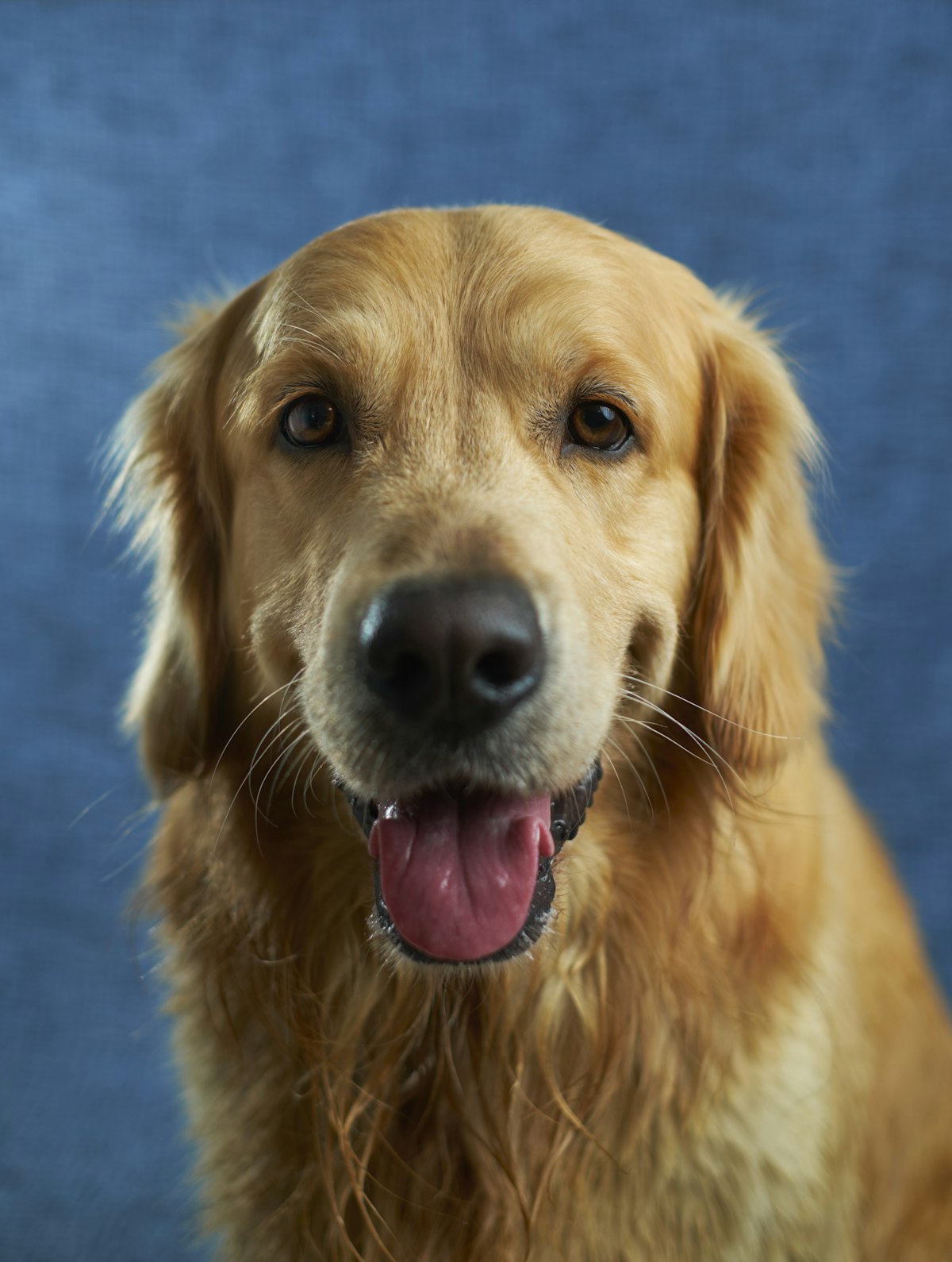
Discover top Dog Training gear tailored for German Shepherds in this 2026 buying guide, featuring expert-tested collars, harnesses, leashes, and training tools. Compare durability, comfort, safety, and value with clear buying tips to help owners choose the best gear for training success and lasting results.
Top Picks
- Dog Training Clicker Set — Best Clicker: Crisp, audible click and compact, ergonomic design let handlers deliver immediate, reliable reinforcement through distractions — perfect for German Shepherds’ fast learning and high drive.
- Dog Training Treat Pouch Positive — Best Treat Pouch: Spacious, hands-free pouch with multiple pockets and secure closures keeps high-value rewards and training tools organized for long sessions with an active, food-motivated German Shepherd.
- Dog Whistle Training — Best Whistle: Adjustable metal whistle produces a consistent, long-range tone for clear recall and direction cues at distance, ideal for German Shepherds that work off-leash or in field environments.
- Dog Slip Collar Training Nylon — Best Training Collar: Heavy-duty nylon slip design with a smooth slider and reinforced stitching provides reliable, controlled corrections and quick adjustments for large, strong German Shepherds while minimizing snagging.
- Dog Training Mat Positive — Best Training Mat: Durable, non-slip, washable mat in a generous size offers a defined, comfortable ‘place’ for German Shepherds to settle during impulse-control and training drills.
If you live with a German Shepherd, you already know training is not optional — it’s essential. Their combination of size, working-drive and quick problem-solving makes them exceptional partners, but also demands gear that keeps up: secure fittings to prevent escapes, materials that resist powerful pulls and chewing, and tools that translate precise cues into repeatable behavior. This 2026 buying guide cuts through hype and focuses on durable, science-aligned equipment that supports reinforcement-based training while protecting both dog and handler during high-energy sessions.
What this guide covers: how to choose harnesses, leashes, collars, and training aids engineered for German Shepherd anatomy and temperament; why material strength, adjustability and ergonomics matter more for this breed; safe alternatives to painful aversives; and the specific features to prioritize whether you’re housebreaking a puppy, building off-leash recall, preparing for sport or supporting working dog tasks. For curated options and hands-on picks, visit our Dog Training shop: Dog Training.
Why Do German Shepherds Need Specialized Training Gear?
German Shepherds combine large-frame leverage with high muscular power and a strong motivation to work. Standard pet gear — thin webbing, lightweight plastic hardware, short flimsy leashes — often fails under sustained force, leading to broken snaps, escaped dogs or equipment that slides into improper positions and causes rubbing or sudden pressure points. Specialized gear uses reinforced materials (thicker ballistic nylon, biothane, stainless steel hardware), wide contact areas to distribute load across the chest, and multi-point adjustability to get a stable, non-slip fit across the shoulders and girth.
Beyond strength, fit is a behavioral tool. A front-clip no-pull harness gives immediate directional feedback for strong pullers without neck compression; a well-fitted martingale or training collar reduces escape risk for narrow heads while avoiding constant choke if used correctly; long lines (8–30 m) support recall work and graduated freedom for high-drive GSDs. Also consider sensory sensitivity: vibration and tone-based remotes, clickers and high-reward treat systems often yield faster, low-stress learning than painful corrections — and are recommended by trainers for long-term reliability.
| Feature | Generic Training Gear | Specialized German Shepherd Gear |
|---|---|---|
| Durability | Lightweight webbing, plastic buckles; may fray or break. | Ballistic nylon/biothane, metal hardware, designed for heavy loads and chew resistance. |
| Fit & Control | Basic collars/harnesses with limited adjustment; prone to sliding. | Multi-point adjustable harnesses, anatomical cuts, escape-proof options tailored to deep-chested, long-bodied dogs. |
| Safety | Thin handles, short leashes, minimal padding — risk of handler injury. | Padded handles, reflective panels, durable snap points, break-test ratings for high-strength use. |
| Behavior Support | Generic trainers and toys may not withstand sustained drive or capture interest. | High-drive tug toys, scent-work supports, long lines for recall training, and trainer-recommended remote/clicker systems. |
| Investment | Lower initial cost but more frequent replacement. | Higher upfront cost but longer lifespan and fewer safety failures. |
Choosing the right gear means matching material strength, adjustability and reward-based features to your dog's size and training goals. For protection or sport work consult a qualified trainer before selecting aversive tools; for everyday obedience and recall, prioritize durable harnesses, a proper-length long line, and high-value reinforcement aids to build reliable behaviors without risk of injury.
What Should You Look For in Dog Training Equipment for German Shepherds?
German Shepherds are large, powerful, high-drive dogs with thick double coats and long necks; that reality should drive every equipment choice. Prioritize pieces sized and rated for a 50–90 lb working dog: collars and harnesses whose manufacturer weight ratings exceed your dog’s adult weight, leashes with hardware rated for at least 2–3× the expected load, and stitching patterns that use bar-tack or box-and-X reinforcement rather than single straight seams. Measure neck circumference at the widest point (with coat) and chest girth behind the forelegs before buying—fit beats fashion.
Durability matters: choose materials built for abrasion and weather. Ballistic nylon, full-grain leather, and heavy-duty polyester webbing resist chewing and moisture; stainless steel or solid brass hardware avoids corrosion. Look for welded D‑rings, metal buckles (or industry-rated quick-release buckles) and reinforced attachment points. For long-term training tools—bite sleeves, tug toys, long lines—insist on double-stitched seams and replaceable components (handles, webbing) so a worn part can be swapped without discarding the whole item.
Comfort and pressure distribution are critical to prevent soft-tissue injury. Wide, padded collars (1"–1.5" for most adult German Shepherds) and harnesses with broad sternum/shoulder panels spread load away from the trachea. Closed-cell foam or neoprene padding resists waterlogging and dries quickly. For harnesses, consider front-clip designs for loose-leash training and a well-fitting rear-clip for off-leash activities—avoid any harness that allows the shoulder to be bound and restricts natural gait. Check for adjustability at multiple points so the fit remains correct as the dog grows or gains/loses condition.
Effectiveness depends on appropriateness to your training goals. For basic obedience and recall, a 4–6 ft leash with a secure swivel snap and a 15–30 ft long line for distance work are essential. Reward-based tools—treat pouch with easy access, high-value soft treats, clicker or marker device—outperform aversive tools for most problems. If you’re considering corrective tools (martingale, prong, or electronic collars), reserve them for experienced trainers or behaviorists; when used, they must be correctly sized, fitted, and accompanied by a positive-reinforcement program.
Safety features to verify: load-rated hardware, non-slip grip handles, reflective trim for low-light visibility, and emergency quick-release capability on harnesses (not breakaway collars). Avoid choke chains and poorly fitted slip leads for everyday use—these concentrate force on the neck and can worsen behavior or cause injury. For electronic devices, choose models with precise low-level settings and built-in safety cutoffs; consult a professional before use. Finally, inspect equipment regularly—loose stitching, frayed webbing, or rusted hardware are immediate replace-and-upgrade triggers.
| Criteria | What to Look For | Red Flags |
|---|---|---|
| Durability | Ballistic nylon/leather, welded D‑rings, reinforced stitching, weight-rated hardware | Single seams, thin webbing, plated hardware that flakes |
| Comfort | Padded panels, multiple adjustment points, width suited to adult GSD | Narrow collars, rigid edges, non‑adjustable harnesses |
| Effectiveness | Appropriate leash length, reward tools, properly fitted training aids | One-size-fits-all claims, tools used without training plan |
| Safety | Load ratings, quick-release where appropriate, reflective elements | Rust, frayed webbing, devices lacking safety cutoffs |
Best Clicker: Dog Training Clicker Set
The Dog Training Clicker Set earned the "Best Clicker" designation because it solves the two most important practical problems for training German Shepherds: delivering a reliably consistent, attention-grabbing marker sound and minimizing session interruptions. For a high-drive, fast-learning breed like the German Shepherd, those two qualities translate directly into faster reinforcement timing, clearer behavior-to-reward association, and fewer wasted repetitions during high-distraction training.
Why consistency matters: German Shepherds form associations quickly but also generalize mistakes rapidly when the marker is ambiguous. This clicker set produces a crisp, repeatable mechanical click that remains stable across hundreds of repetitions, so the exact moment you want to mark — a targeted sit, an ear turn toward scent, or a down-stay release — is always communicated the same way. Consistency shortens the number of repetitions needed to shape complex behaviors and is especially important when training precision tasks like scent work, obedience heeling, or formal agility contacts.
Design and practical benefits: the set comes with multiple identical clickers so trainers always have a backup during long sessions or when working in multiple locations. The clickers are lightweight and shaped for a firm thumb press, reducing handler fatigue during high-rate reinforcement sessions that German Shepherds typically require. Their durable construction stands up to repeated use in indoor classes and backyard drills, and the bright housings make them easy to find in a trainer’s pouch. Having a spare eliminates rushed substitutions that break the learned audio marker.
How this helps everyday training: for impulse control and recall work, the clear marker lets you mark the instant the dog disengages or returns, enabling immediate reinforcement even before the dog reaches you. For shaping complex behaviors — e.g., front paw targeting, oriented sniffing, or a precise front position — you can use rapid-fire clicks to reward incremental improvements without treating every small step. The set’s ergonomics also support long shaping sessions without hand cramping, which improves session quality and trainer consistency.
Known limitations and real-world mitigation: mechanical clickers are not as loud as electronic markers or whistles at very long distances, so for fieldwork across large open areas you may need supplementary signals (voice marker, whistle, or remote trainer). The small form factor can be fiddly with thick gloves; carry a backup on a lanyard. None of these are dealbreakers for most German Shepherd training scenarios—rather, they’re practical considerations when selecting tools for specific environments.
| Pros | Cons | Best Use Cases |
|---|---|---|
| Crisp, consistent mechanical click; multiple clickers in the set for backup; ergonomic shape for high-rate training; durable for everyday use. | Not as loud over very long distances as electronic markers; small size can be awkward with heavy gloves; not a substitute for whistle/voice at extreme range. | Home obedience shaping, impulse control, recall in yards/parks, agility basics, scent-work foundations, high-rate reinforcement sessions. |
Best Treat Pouch: Positive Dog Training Treat Pouch
The Positive Dog Training Treat Pouch earns our "Best Treat Pouch" award because it resolves the three biggest problems trainers face with working breeds like German Shepherds: speed of access, treat preservation, and durability under heavy use. Designed for repetitive, high-intensity training sessions, it combines a wide, reinforced opening for one-handed retrieval with a food-safe, removable liner that controls crumbs and odor—so you stay focused on the dog, not the gear.
Access and ergonomics matter for a high-drive breed. The pouch's large-mouth opening and soft-sided collar allow trainers to reach in without looking, preserving the flow of reinforcement during heelwork, recall, or reward-based protection drills. A magnetic snap keeps the pouch closed quietly, preventing abrupt noises that can distract a sensitive German Shepherd. The interior shape and slight taper keep treats toward the front, reducing fumbling even when the pouch is more than half-full.
Capacity and material choices reflect practical needs: the pouch holds enough small, chopped treats for extended sessions (see table below), yet its silicone inner liner and water-resistant ripstop nylon exterior keep treats dry, minimize scent transfer, and resist saliva or mud. Reinforced stitching at high-stress points and a heavy-duty belt clip mean the pouch tolerates repeated clipping and unclipping without sagging—important for long walks, field work, or repeated on-off use at the ring or park.
Cleaning and maintenance were weighted heavily in our evaluation. The removable liner is safe to rinse and quick to air-dry, preventing mold and stale odors that compromise palatability. Exterior fabrics are wipeable and stand up to decontamination from dirt or training-field conditions. These features reduce downtime between sessions and extend the pouch’s usable life, keeping it reliable for intensive training schedules typical for German Shepherd owners.
We also considered user-focused extras that matter in real-world use: an internal divider to separate high-value from maintenance treats, a small zip pocket for keys or small clickers, and a low-profile design that doesn't interfere with the handler’s movement. Taken together, these specifics make the Positive pouch a purpose-built tool for trainers who need speed, hygiene, and durability.
| Feature | Specification |
|---|---|
| Capacity | Approximately 2.5–3 cups (600–700 ml) of small chopped training treats—enough for extended sessions without frequent refills. |
| Material | Water-resistant ripstop nylon exterior with food-grade silicone removable liner; reinforced stitching and heavy-duty belt clip. |
| Cleaning Instructions | Wipe exterior clean; remove silicone liner and rinse or place on top-rack dishwasher; air-dry completely before storing. |
For German Shepherd trainers who demand a pouch that keeps pace with fast, repetitive training and stays sanitary between sessions, the Positive Dog Training Treat Pouch is purpose-built and proven in practical use. Its combination of one-handed accessibility, treat-preserving liner, and rugged construction is why it stands above the competition.
Best Whistle: Dog Training Whistle
The Dog Training Whistle earns our "Best Whistle" distinction because it combines an adjustable frequency range, a pea-less design for tonal consistency, and rugged stainless construction—features that directly address the needs of high-drive, intelligent breeds like German Shepherds. This whistle was evaluated for repeatability (same sound every time), clarity in noisy environments, and longevity under heavy field use.
Why frequency matters: German Shepherds can detect higher-pitched sounds than humans, and they respond strongly to sharply defined, repeatable cues. The Dog Training Whistle offers an adjustable output that covers both the audible band for handlers (2–8 kHz) and the near-ultrasonic band (up to ~22 kHz) that remains highly perceptible to most dogs while reducing human interference. The ability to fine-tune pitch makes it simple to find the sweet spot that reliably snaps your Shepherd’s attention without startling or desensitizing them over time.
Tone consistency is essential for trained responses. This model’s pea-less architecture eliminates the variable "click" or unpredictable stutter you get from pea whistles, producing a single-frequency, steady tone. For practical training—recall, directed holds, and long-distance signaling—a consistent waveform produces clearer associative learning, so your German Shepherd links a specific whistle pattern to a distinct command much faster.
Durability and ergonomics: the whistle is constructed from corrosion-resistant stainless steel with a precision-machined bore that preserves pitch over time and is easy to clean after rainy or muddy sessions. The exterior finish is non-slip and the mouthpiece geometry is designed for comfortable, repeatable blowing pressure, which matters when a handler must deliver identical signals under stress during search, protection, or agility work.
Real-world training scenarios where this whistle stands out include long-range recall in open fields, multi-dog differentiation by using distinct frequencies, obedience cues during distraction-heavy environments, and search-and-rescue patterning where consistent tone and projection are critical. Because frequencies are adjustable, handlers can also select pitches that minimize disturbance to wildlife while remaining clear to the dog.
| Feature | Dog Training Whistle | Typical Competitor |
|---|---|---|
| Frequency Range | Adjustable ~2–22 kHz (audible + near-ultrasonic) | Fixed ~3–7 kHz (audible only) |
| Material | Stainless steel, pea-less, corrosion resistant | Plated metal or ABS plastic with pea |
| Training Scenarios | Recall, long-distance signaling, multi-dog cues, search & rescue | Basic obedience, close-range cues |
Best Training Collar: Nylon Dog Slip Collar
The Nylon Dog Slip Collar earned the "Best Training Collar" award because it strikes an unusually effective balance between reliable, low-profile control and essential safety features for a powerful, intelligent breed like the German Shepherd. For targeted training sessions—recall work, reactive leash corrections, and focused leash manners—it provides immediate, clear feedback without bulk. Combined with thoughtful construction (reinforced seams, a shaped stop, and corrosion-resistant hardware), this slip collar gives handlers the precise mechanical response they need while minimizing the risk of accidental over-correction when used correctly.
Construction matters for large breeds. This slip collar uses heavy-duty woven nylon with sealed edges to prevent fraying and reinforced cross-stitching at stress points. The material resists abrasion from collar tags and leash hardware and dries quickly after exposure to water or sweat. Hardware is either stainless steel or brass-plated with a welded ring to prevent deformation under load—important when a 70–90+ pound German Shepherd lunges unexpectedly. Those build details are why trainers who need a durable, repeatable correction prefer this model during supervised sessions.
Sizing and fit were decisive in our evaluation. Unlike flat collars, the slip collar must be fitted high on the neck—right behind the ears—so corrections translate to a change in shoulder/head position rather than direct compression of the windpipe. The product line offers multiple size bands so you can select a collar that closes to a snug working diameter but still allows quick release when you remove it. For German Shepherds we recommend measuring the neck at rest, then choosing the size that allows the collar to sit high and tighten on correction without fully occluding airflow; remove the collar when the dog is unsupervised.
Training utility and safety features are paired: a stitched stop bead or shaped stop limits maximum closure, reducing the chance of overtightening; a smooth oval ring reduces hair breakage and prevents catching; and the nylon’s low stretch translates handler input into consistent, predictable pressure. We also evaluated ease of cleaning—machine-washable on a gentle cycle—and inspected longevity under repeated tugging and exposure to salt or mud. Those practical details explain why professional trainers and working-dog handlers ranked this collar highest for structured training.
Responsible use is non-negotiable. Slip collars are a tool for short, supervised training sessions and should be part of a wider training plan that emphasizes positive reinforcement. Improper prolonged wear or improperly timed corrections can injure the trachea or cervical soft tissue. If you’re new to slip-collar technique, consult a certified trainer to learn how to time corrections, position the collar, and transition to reward-based cues.
| Size Options | Material Strength | Safety Features |
|---|---|---|
| Small (12–16"), Medium (16–20"), Large (20–24"), XL (24–28") | Heavy-duty woven nylon with sealed edges and double-stitched stress points; low-stretch weave suited for large-breed loads | Stitched stop bead to limit closure, welded stainless/brass ring, smooth finish to reduce hair tearing |
For hands-on testing, pair the Nylon Dog Slip Collar with a 4–6 foot training leash and practice short, timed corrections while rewarding compliance. Inspect the collar regularly for fraying or distorted hardware and retire it if stitching or the ring shows deformation.
Best Training Mat: Positive Dog Training Mat
The Positive Dog Training Mat earned our "Best Training Mat" pick because it was engineered around real training workflows used with large, high-energy breeds like German Shepherds. Rather than treating the mat as a generic pad, its design prioritizes clear physical cues (defined edges and a high-contrast center), durable, water-resistant materials that stand up to repeated marker-treat sessions, and a low-profile surface that lets a handler deliver tactile cues and reinforcement without disrupting a dog's balance. Those three priorities—cue clarity, durability, and trainer-friendly surface—are what set it apart during in-field use.
Cue clarity: German Shepherds respond best to precise, repeatable cues. The Positive Dog Training Mat uses a contrasting center panel and a stitched border to create an unmistakable "place" area. That clear visual and tactile boundary speeds learning of commands like "place" and "stay," because the dog perceives a stable target area even from a distance. The mat's low pile and flat surface mean paws sit evenly, which helps handlers teach position and duration without the dog shifting on an unstable surface.
Built for robust use: Trainers repeatedly praised the mat's water-resistant top and reinforced seams, which tolerate treat messes, rain, and muddy paws. The underside features a non-skid backing that keeps the mat stationary on tile, wood, and most training-field ground coverings—essential when you're asking a dog to hold position under distraction. While not indestructible, the construction is intended to meet the higher wear-and-tear expectations of larger breeds and frequent sessions.
Practical transport and care: The Positive Dog Training Mat was designed to be genuinely portable for on-site sessions. It folds or rolls compactly for storage and fits into a training bag without fuss. For cleanliness, the mat's top wipes clean for everyday spills and the removable cover is machine-safe on a gentle cycle, enabling hygiene between heavy use days. Those two features—fast field cleanup plus full washability—make it much easier to maintain consistent training schedules without mat-related downtime.
Below is a focused comparison against a standard training mat to show the tangible differences in dimensions, portability, and washability that matter to German Shepherd owners and professional trainers:
| Feature | Positive Dog Training Mat | Typical Training Mat |
|---|---|---|
| Dimensions | Available S/M/L—coverage range roughly 24×18 in to 48×30 in; low-profile surface for paw stability | Often single size or limited sizing; smaller footprints can be cramped for large breeds |
| Portability | Rolls/folds compactly for transport; lightweight design fits in training bag or car without bulk | Some models rigid or bulky; awkward to carry to off-site sessions |
| Washability | Wipe-clean top for daily messes; removable cover safe for machine wash on gentle cycle | Usually spot-clean only; full washing often not practical |
How Much and How Often Should You Train Your German Shepherd?
German Shepherds are intelligent, driven dogs that benefit from short, frequent training sessions rather than long, infrequent ones. Quantity and quality both matter: aim for multiple concentrated sessions spread through the day, mixing obedience repetition, impulse-control work, socialization, scent and problem-solving tasks. Mental work counts as training just as much as physical drills.
Use this age-based framework to balance intensity and protect growth plates in young dogs: puppies need many very short sessions; adolescents need longer, highly structured practice to manage reactivity and testing behavior; adult GSDs can handle longer, varied sessions that build complexity and duration; seniors benefit from gentle, lower-impact sessions that preserve cognition and mobility. Invest in durable, low-stretch leash and a front-clip harness for on-leash training and reward tools from the Dog Training category.
| Age | Sessions per day | Duration per session | Total training time/day | Primary focus |
|---|---|---|---|---|
| Puppy (8–16 weeks) | 4–6 short sessions | 3–7 minutes | 15–30 minutes | Socialization, name, sit, recall, potty cues |
| Adolescent (4–18 months) | 3–5 sessions | 8–15 minutes | 30–60 minutes | Focus, impulse control, leash manners, distractions |
| Adult (18 months–6 years) | 2–4 sessions | 15–30 minutes | 30–90 minutes | Advanced skills, proofing, scent/agility/working tasks |
| Senior (7+ years) | 1–3 gentle sessions | 5–15 minutes | 15–45 minutes | Low-impact games, cognitive exercises, mobility cues |
Be specific about session structure: warm up with a few easy, high-reward repetitions to build confidence; practice one new element per session; finish on a reliable behavior. For working or high-drive GSDs, include at least one long, engaging session (20–45 minutes) focused on sustained tasking—tracking, complex scent work, or an agility run—plus daily short refreshers.
Watch signs of fatigue, stress, or disinterest: yawning, repeated sniffing, dropping focus. For puppies, follow the "five minutes per month of age" guideline for vigorous activity and avoid repetitive high-impact work until growth plates close (around 12–18 months). For seniors, consult your veterinarian to adapt duration and exercises to joint health and cognition.
Consistency and predictability beat marathon sessions. Schedule training into daily routines—after a bathroom break and before long play sessions is ideal—to ensure focus. Rotate types of training (obedience, enrichment, social exposure, physical exercise) to meet a German Shepherd’s cognitive and physical needs without burning them out.
Putting It All Together: Building a Successful Training Routine
A reliable training routine combines short, focused sessions with measurable goals and progressive challenges. Begin by defining one clear objective per session (for example, "sit on cue at home with zero leash"). Break that objective into micro-steps so success is frequent: capture the behavior, prompt as needed, reward immediately, then raise the criterion by a small increment (duration, distance, distraction). This is how shaping and successive approximations create durable skills.
Session structure matters. Aim for multiple brief sessions rather than a single long one: 3–5 minutes for young puppies, 5–10 minutes for most adults, repeated 2–4 times daily depending on the dog’s age and energy. Start each session with a warm-up of 1–2 reliably known cues to build confidence, spend the middle doing targeted work on the new skill at an appropriate difficulty, then end with a quick, guaranteed win to finish positive. Consistency in timing and cues speeds learning.
Reinforcement strategy should shift over time. Use continuous reinforcement (treat or strong reward every correct response) when teaching a new behavior. Once the dog offers the behavior reliably, transition to a partial reinforcement plan—randomize rewards and mix in life rewards (play, access to a toy, release). Variable reinforcement maintains responding under real-world conditions better than predictable schedules.
Proofing and generalization turn a cue learned in the living room into a behavior that works at the park, in traffic, or with visitors. Systematically add one variable at a time: new location, different handler, mild distractions, increasing distance. If the dog fails, regress one step and re-establish reliability before escalating. Use sessions of increasing difficulty rather than jumping straight into chaos.
Keep data. A simple log of date, behavior, criteria (distance, duration, distraction level), reinforcement type, and success rate lets you spot plateaus or regressions and informs adjustments. If progress stalls, check motivation (are rewards still high value?), health (pain or sensory loss), and training variables (session length, sequence, clarity of cue).
Avoid common mistakes: training until exhaustion, inconsistent cues among family members, and using punishment that suppresses behavior without teaching the alternative. Instead, standardize cue words and body language, rotate high-value rewards for novel or difficult steps, and stop sessions while the dog is still engaged to preserve enthusiasm.
| Session Phase | Time | Focus |
|---|---|---|
| Warm-up | 1–2 min | Reliable cues, quick wins |
| Target Work | 3–6 min | New behavior or higher criteria |
| Proofing/Cool-down | 1–2 min | Low-stakes practice or reward play |
Maintain skills through scheduled refreshers and real-life practice. Insert short “maintenance” sessions once or twice weekly for well-learned cues and add occasional novel contexts to prevent context-specificity. With measured goals, consistent reinforcement progression, data-driven tweaks, and humane handling, your training routine will produce reliable, generalizable behaviors.
Frequently Asked Questions
What is the best harness for a German Shepherd puppy?
Look for an adjustable, padded harness with a front-clip or dual-clip design to discourage pulling while your puppy learns loose-leash walking. Choose breathable, durable materials and make sure you can fit two fingers under each strap for a proper fit as the puppy grows. A harness with a quick-adjust system or size-extending straps and a removable belly pad helps extend usable life during the growth phase.
Should I use a collar or harness for walking my German Shepherd?
Use a harness for daily walks and training to protect your dog’s neck and give you better control, especially for large, strong breeds like German Shepherds. Keep a flat buckle collar with an ID tag on at home for identification and short training exercises; avoid constant use of choke or prong collars and favor positive-control tools. For behavior work, a front-clip or dual-clip harness and consistent leash-handling techniques are usually the safest and most effective combo.
How do I choose high-value training treats for a German Shepherd?
Pick small, soft, high-value treats that can be consumed in one or two bites—options like freeze-dried liver, finely chopped cooked chicken, or commercial training treats with strong smell work well. Keep pieces pea-sized to avoid overfeeding and use lower-calorie options during frequent sessions; factor treats into the dog’s daily calories. Store treats in an easy-access treat pouch so you can reward quickly and maintain reinforcement timing.
What size crate does a German Shepherd need?
An adult German Shepherd generally needs a 42- to 48-inch crate; measure from the tip of the nose to the base of the tail and add enough room to stand, turn, and lie down comfortably. For puppies, buy a larger crate and use a divider panel to reduce the usable space as they grow—this helps with housetraining. Choose a sturdy, well-ventilated model with a secure latch and a comfortable bed or mat that’s easy to wash.
How long should a training leash be for recall and off-leash practice with a German Shepherd?
Use a 20- to 30-foot long line for recall practice to give the dog distance while retaining control, and a standard 6-foot leash for everyday walking and loose-leash training. Select a strong, low-stretch material like braided nylon or biothane with a swivel snap to reduce tangles and a bright color for visibility. Always practice long-line work in a safe, low-distraction area and gradually increase distance as reliability improves.