Best Puppy Food 2026: Vet-Informed Picks for Healthy Growth
By Michelle — Michelle's Pet Shop. Published June 1, 2026. 19 min read.
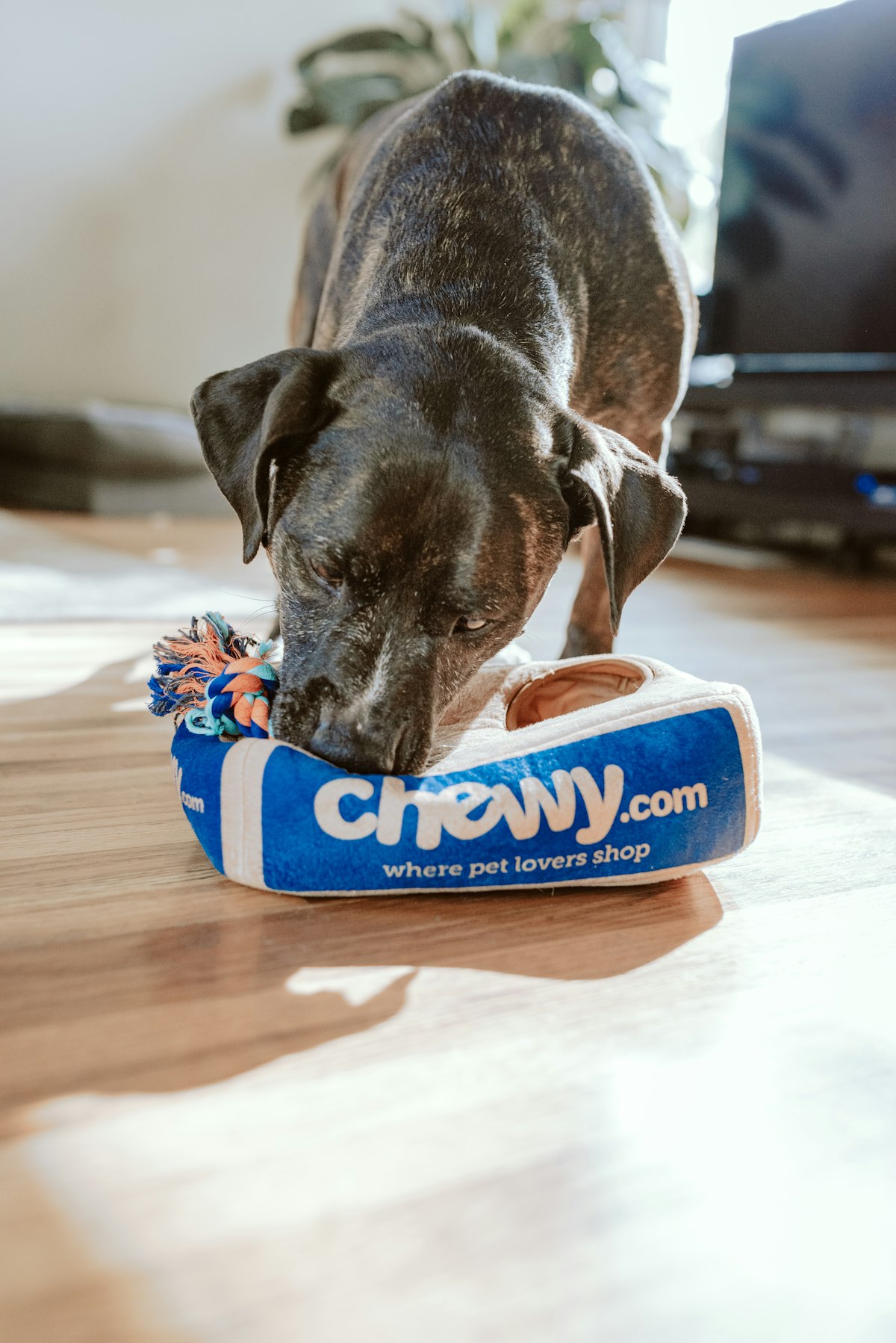
Welcoming a new puppy into your home is one of the most exciting experiences for any pet parent. However, it also comes with a significant amount of responsibility, particularly…
Top Picks
- Pedigree Complete Nutrition Dog Food — Best Overall: Our "Best Overall" choice in the Puppy Food & Nutrition category — a strong fit for puppies.
- Dog Treat Grain Free Natural — Best Grain-Free: Our "Best Grain-Free" choice in the Puppy Food & Nutrition category — a strong fit for puppies.
- Dog Supplement Puppy — Best Growth Supplement: Our "Best Growth Supplement" choice in the Puppy Food & Nutrition category — a strong fit for puppies.
- Dog Freeze Dried Liver Treats — Best Training Treat: Our "Best Training Treat" choice in the Puppy Food & Nutrition category — a strong fit for puppies.
- Dog Treat Raw Natural — Best High-Protein: Our "Best High-Protein" choice in the Puppy Food & Nutrition category — a strong fit for puppies.
Welcoming a new puppy into your home is one of the most exciting experiences for any pet parent. However, it also comes with a significant amount of responsibility, particularly when it comes to their diet. The food you choose for your growing puppy lays the foundation for their future health, development, and overall well-being. Unlike adult dogs, puppies have unique nutritional requirements that must be met to support their rapid growth, bone development, and immune system maturation. Navigating the crowded aisles of pet stores or scrolling through endless online options can be overwhelming, but understanding what makes a high-quality puppy food is the first step toward ensuring your furry friend thrives.
In this comprehensive guide, we will delve deep into the world of puppy nutrition, exploring the essential nutrients your growing dog needs, how to decipher pet food labels, and the key differences between various types of puppy diets. We have consulted with veterinary experts and canine nutritionists to bring you the most accurate and up-to-date information. Whether you are raising a tiny Chihuahua or a rapidly growing Great Dane, this guide will equip you with the knowledge necessary to make informed decisions about your puppy's diet. We will also highlight our top carefully researched picks for 2026, carefully selected to meet the diverse needs of different puppies.
The journey of puppyhood is fleeting, but the impact of their early diet lasts a lifetime. From the moment they are weaned until they reach adulthood, their bodies are working overtime to build strong muscles, sturdy bones, and a robust immune system. This requires a delicate balance of proteins, fats, carbohydrates, vitamins, and minerals. Feeding an inappropriate diet during this critical stage can lead to developmental issues, obesity, or long-term health complications. Therefore, investing time in understanding puppy nutrition is one of the most loving and responsible actions you can take as a new pet owner.
Throughout this article, we will address common concerns and questions that new puppy owners frequently ask. How much should you feed your puppy? When is the right time to transition to adult food? What are the benefits of grain-free versus grain-inclusive diets? By breaking down these complex topics into easily digestible sections, we aim to demystify the process of choosing the best puppy food. Our goal is to empower you with the confidence to select a diet that not only satisfies your puppy's taste buds but also provides the optimal nutritional profile for their specific breed size and lifestyle.
As we explore the various aspects of puppy nutrition, keep in mind that every puppy is an individual. What works perfectly for one dog may not be the ideal choice for another. Factors such as breed size, activity level, and any underlying health conditions must be taken into consideration. We strongly recommend consulting with your veterinarian before making any significant changes to your puppy's diet, as they can provide personalized advice tailored to your dog's unique needs. Now, let's embark on this nutritional journey and discover the best ways to fuel your puppy's healthy growth and development.
Why Puppy Nutrition is Uniquely Demanding
Puppies are not simply miniature adult dogs; they are rapidly growing organisms with metabolic rates and nutritional demands that far exceed those of mature canines. During the first year of life, a puppy will experience exponential growth, multiplying their birth weight several times over. This incredible physical transformation requires a substantial amount of energy and a precise balance of nutrients. The primary building blocks for this growth are high-quality proteins and fats, which provide the necessary amino acids and fatty acids for tissue development, brain function, and energy production. Without adequate levels of these macronutrients, a puppy's growth can be stunted, and their overall health compromised.
One of the most critical aspects of puppy nutrition is the balance of calcium and phosphorus. These minerals are essential for the development of a strong and healthy skeletal system. However, the ratio of calcium to phosphorus must be carefully controlled, particularly in large and giant breed puppies. An excess of calcium or an improper ratio can lead to developmental orthopedic diseases, such as hip dysplasia or osteochondrosis. Therefore, it is crucial to choose a puppy food that is specifically formulated to meet the precise mineral requirements of growing dogs, rather than relying on adult dog food or generic all-life-stages formulas that may not provide the appropriate balance.
In addition to macronutrients and minerals, puppies require a robust array of vitamins and antioxidants to support their developing immune systems. When puppies are born, they receive temporary immunity from their mother's milk, but this protection gradually wanes over the first few months of life. During this vulnerable period, known as the immunity gap, a puppy's own immune system must learn to defend against pathogens. A diet rich in antioxidants, such as vitamins E and C, as well as essential fatty acids like DHA (docosahexaenoic acid), can help bolster their natural defenses and promote optimal brain and vision development. This is why specialized puppy formulas often include these vital nutrients.
The digestive system of a puppy is also delicate and still maturing. They require highly digestible ingredients that their bodies can easily break down and absorb. Foods that are difficult to digest can lead to gastrointestinal upset, diarrhea, and poor nutrient absorption, which can ultimately hinder their growth. High-quality animal proteins, easily digestible carbohydrates, and the inclusion of prebiotics and probiotics can all contribute to a healthy gut microbiome and optimal digestive function. When selecting a puppy food, it is important to look for formulas that prioritize digestibility and utilize premium ingredients.
Understanding the unique demands of puppy nutrition is the foundation for making informed dietary choices. By recognizing that puppies require more energy, specific mineral ratios, enhanced immune support, and highly digestible ingredients, pet parents can better evaluate the myriad of options available on the market. The investment in a high-quality puppy diet during these formative months pays dividends in the form of a healthy, vibrant, and resilient adult dog. It is a critical period of development that sets the stage for their entire life, making the choice of food one of the most important decisions you will make as a puppy owner.
| Nutritional Requirement | Puppy Needs | Adult Dog Needs |
|---|---|---|
| Protein | Higher (minimum 22%) for tissue growth | Moderate (minimum 18%) for maintenance |
| Fat | Higher (minimum 8%) for energy and brain development | Moderate (minimum 5%) for energy |
| Calcium/Phosphorus | Strictly controlled ratio for bone development | Standard maintenance levels |
| DHA | Essential for cognitive and retinal development | Beneficial but not as critical |
How to Choose the Right Puppy Food: Key Buying Criteria
Selecting the right puppy food involves more than just picking the most attractive bag off the shelf. It requires a careful examination of the ingredients, nutritional profile, and the specific needs of your individual dog. The first and most important criterion is to ensure that the food is formulated to meet the nutritional levels established by the Association of American Feed Control Officials (AAFCO) for growth and reproduction. This statement, usually found on the back or side of the packaging, guarantees that the food provides complete and balanced nutrition for a growing puppy. Without this certification, the food may lack essential nutrients, leading to potential deficiencies and health issues.
When evaluating the ingredient list, look for high-quality sources of animal protein as the primary ingredients. Ingredients such as deboned chicken, beef, lamb, or fish should ideally be listed first, indicating that they make up a significant portion of the food by weight. Avoid foods that rely heavily on unnamed meat meals or by-products, as the quality and source of these ingredients can be questionable. While meat meals (like chicken meal) can be highly concentrated sources of protein, they should be specifically identified. A diet rich in high-quality animal protein ensures that your puppy receives the essential amino acids necessary for muscle development and overall growth.
Carbohydrates also play a role in a puppy's diet, providing a source of readily available energy. However, the type of carbohydrates matters. Look for complex carbohydrates such as sweet potatoes, brown rice, or oats, which provide sustained energy and valuable dietary fiber for digestive health. Avoid foods that contain excessive amounts of simple sugars or low-quality fillers like corn or wheat gluten, which offer little nutritional value and can contribute to unhealthy weight gain. The inclusion of wholesome fruits and vegetables can also provide natural sources of vitamins, minerals, and antioxidants, further enhancing the nutritional profile of the food.
Another crucial factor to consider is the inclusion of specific functional ingredients that support puppy development. As mentioned earlier, DHA (docosahexaenoic acid), an omega-3 fatty acid typically sourced from fish oil, is vital for brain and eye development. Probiotics and prebiotics are also highly beneficial, as they promote a healthy balance of gut bacteria, aiding in digestion and supporting the immune system. Additionally, look for foods that contain appropriate levels of calcium and phosphorus, particularly if you have a large breed puppy, to ensure proper bone and joint development. These functional ingredients elevate a standard puppy food to a premium, health-promoting diet.
Finally, consider your puppy's specific breed size and any potential sensitivities. Large breed puppies have different nutritional requirements than small breed puppies, particularly regarding mineral ratios and caloric density, to prevent rapid growth that can lead to joint problems. If your puppy shows signs of food sensitivities, such as itchy skin or gastrointestinal upset, you may need to explore limited ingredient diets or novel protein sources. Always consult with your veterinarian when making these decisions, as they can help you navigate the complexities of canine nutrition and recommend the most appropriate food for your puppy's unique needs.
| Buying Criteria | What to Look For | What to Avoid |
|---|---|---|
| Protein Source | Named meats (e.g., Chicken, Beef, Salmon) as first ingredients | Unnamed meat meals or generic by-products |
| Carbohydrates | Complex carbs like sweet potatoes, brown rice, oats | Excessive fillers like corn, wheat, or soy |
| Functional Additions | DHA, probiotics, antioxidants, appropriate calcium/phosphorus | Artificial colors, flavors, or chemical preservatives (BHA/BHT) |
| Certification | AAFCO statement for growth and reproduction | Foods labeled only for "intermittent or supplemental feeding" |
Comparing the Top carefully researched Picks for 2026
To help you navigate the vast array of puppy foods on the market, we have carefully selected our top carefully researched picks for 2026. These selections represent a variety of dietary approaches, ensuring that there is an option suitable for almost every puppy. Our "Best Overall" pick is the Pedigree Complete Nutrition Dog Food. This formula offers a well-rounded nutritional profile that supports healthy growth and development across a wide range of breeds. It features high-quality protein sources to build strong muscles and is fortified with essential vitamins and minerals, including DHA for cognitive development. Its widespread availability and balanced formulation make it a reliable and excellent choice for most growing puppies.
For puppies with sensitivities to grains, our "Best Grain-Free" selection is the Grain-Free Natural Dog Treat. While this is categorized as a treat, it represents the high-quality, grain-free options available for puppies who require alternative carbohydrate sources. Grain-free diets often utilize ingredients like sweet potatoes or peas to provide energy without the use of wheat, corn, or soy. This can be particularly beneficial for puppies prone to digestive upset or skin allergies related to grain sensitivities. However, it is important to discuss grain-free diets with your veterinarian, as recent studies have prompted discussions about their long-term suitability for all dogs.
Sometimes, a puppy may need an extra nutritional boost, which is where our "Best Growth Supplement" comes in: the Puppy Growth Supplement. While a complete and balanced diet should provide all necessary nutrients, certain situations—such as recovering from illness, periods of rapid growth, or specific breed requirements—may warrant supplementation. This product is designed to provide targeted support, offering concentrated doses of essential vitamins, minerals, and amino acids. It is crucial to use supplements only under the guidance of a veterinarian to avoid over-supplementation, which can be just as detrimental as a deficiency.
Training is a significant part of puppyhood, and having the right high-value reward is essential. Our "Best Training Treat" is the Freeze-Dried Liver Dog Treats. These treats are incredibly palatable and aromatic, making them highly motivating for puppies learning new commands. Because they are freeze-dried, they retain the nutritional integrity of raw liver while being convenient to handle and store. They are also single-ingredient, which is excellent for puppies with sensitive stomachs. Remember that treats should make up no more than 10% of your puppy's daily caloric intake to ensure they continue to receive balanced nutrition from their primary diet.
Finally, for puppies that require a diet exceptionally rich in protein, we recommend the Raw Natural Dog Treat as our "Best High-Protein" pick. High-protein diets can be beneficial for highly active puppies or specific working breeds that require substantial muscle support. Raw or minimally processed options often provide protein in a highly bioavailable form. However, handling raw products requires strict hygiene practices to prevent bacterial contamination. If you are considering a high-protein or raw-infused diet, consult your veterinarian to ensure it aligns with your puppy's specific developmental needs and lifestyle.
| Product Name | Award Category | Key Benefit |
|---|---|---|
| Pedigree Complete Nutrition Dog Food | Best Overall | Balanced, comprehensive nutrition for general growth |
| Grain-Free Natural Dog Treat | Best Grain-Free | Ideal for puppies with specific grain sensitivities |
| Puppy Growth Supplement | Best Growth Supplement | Targeted nutritional support for specific developmental needs |
| Freeze-Dried Liver Dog Treats | Best Training Treat | High-value, single-ingredient reward for effective training |
| Raw Natural Dog Treat | Best High-Protein | Maximum protein bioavailability for active development |
Common Mistakes in Puppy Feeding and How to Avoid Them
Feeding a puppy seems straightforward, but many well-intentioned pet parents make common errors that can impact their dog's health. One of the most frequent mistakes is overfeeding. It is tempting to offer extra food or treats to a growing, seemingly always-hungry puppy, but excess calories lead to rapid growth and obesity. Rapid growth, particularly in large breeds, puts undue stress on developing bones and joints, increasing the risk of orthopedic issues later in life. Obesity in puppies also sets a dangerous precedent, predisposing them to a lifetime of weight-related health problems, including diabetes and heart disease. Always follow the feeding guidelines on the food packaging and adjust based on your veterinarian's recommendations and your puppy's body condition score.
Another common error is feeding a puppy adult dog food too soon, or worse, from the very beginning. As discussed, adult formulas lack the specific nutrient densities, particularly the higher protein, fat, and precise calcium-to-phosphorus ratios, required for healthy puppy development. Feeding adult food to a puppy can result in nutritional deficiencies that stunted growth and compromise the immune system. Puppies should remain on a high-quality puppy formula until they reach physical maturity, which varies by breed size. Small breeds may transition around 10 to 12 months, while large and giant breeds may need puppy food until they are 18 to 24 months old.
Supplementing a complete and balanced diet without veterinary guidance is another pitfall. Many owners believe that adding extra calcium, vitamins, or meat to their puppy's bowl will enhance their growth. However, high-quality commercial puppy foods are meticulously formulated to provide the exact balance of nutrients required. Adding supplements disrupts this delicate balance. For example, adding extra calcium to a large breed puppy's diet can actually cause severe skeletal abnormalities. Unless specifically prescribed by your veterinarian to address a diagnosed deficiency, it is best to trust the formulation of the commercial diet you have chosen.
Inconsistent feeding schedules and abrupt diet changes also cause problems. Puppies thrive on routine, and feeding them at the same times each day helps regulate their digestion and aids in house training. Free-feeding, or leaving food out all day, makes it difficult to monitor their intake and can lead to overeating. Furthermore, if you need to change your puppy's food brand or formula, it must be done gradually over a period of 7 to 10 days. Abrupt changes can cause severe gastrointestinal upset, including vomiting and diarrhea. Mix increasing amounts of the new food with decreasing amounts of the old food to allow their digestive system to adjust.
Finally, relying too heavily on treats for nutrition or affection is a mistake. While treats are invaluable for training, they should never constitute a significant portion of the diet. Treats are often not nutritionally balanced and can add unnecessary calories. When using treats like the Freeze-Dried Liver Dog Treats, ensure they are factored into the daily caloric allowance. By avoiding these common feeding mistakes—overfeeding, inappropriate diets, unnecessary supplementation, inconsistent routines, and excessive treating—you can help ensure your puppy grows into a healthy, well-adjusted adult dog.
| Common Mistake | Potential Consequence | Corrective Action |
|---|---|---|
| Overfeeding | Obesity, rapid growth leading to joint issues | Measure portions strictly according to guidelines and body condition |
| Feeding Adult Food Early | Nutritional deficiencies, stunted growth | Feed puppy formula until physical maturity is reached |
| Unprescribed Supplementation | Nutrient imbalances, skeletal abnormalities (e.g., excess calcium) | Only use supplements like the Puppy Growth Supplement under vet guidance |
| Abrupt Diet Changes | Gastrointestinal upset, diarrhea, vomiting | Transition new foods gradually over 7-10 days |
When to Consult a Veterinarian About Your Puppy's Diet
While this guide provides a comprehensive overview of puppy nutrition, your veterinarian is your most valuable resource when it comes to your individual dog's health. You should consult your vet during your puppy's initial wellness exams to discuss your chosen diet and ensure it meets their specific needs. Your vet can assess your puppy's body condition, growth rate, and overall health to confirm that the food is providing adequate nutrition. They can also provide personalized recommendations based on your puppy's breed, anticipated adult size, and any early signs of health concerns.
There are several specific scenarios where veterinary consultation regarding diet is absolutely crucial. If your puppy experiences persistent gastrointestinal issues, such as chronic diarrhea, vomiting, or excessive gas, it could be a sign of a food intolerance, allergy, or an underlying medical condition. Do not attempt to diagnose or treat these issues by constantly switching foods on your own, as this can exacerbate the problem. A veterinarian can perform necessary diagnostics and recommend a therapeutic diet or an elimination trial to identify the culprit.
You should also seek veterinary advice if your puppy shows a sudden loss of appetite or refuses to eat for more than 24 hours. While minor fluctuations in appetite can be normal, prolonged anorexia in a growing puppy is a red flag that requires immediate medical attention. It could indicate an infection, a blockage, or other serious health issues. Similarly, if your puppy is eating ravenously but failing to gain weight, or conversely, gaining weight too rapidly despite strict portion control, a veterinary assessment is necessary to rule out metabolic or endocrine disorders.
If you are considering a non-traditional diet, such as a home-cooked or raw food diet, veterinary guidance is non-negotiable. Formulating a complete and balanced diet from scratch is incredibly complex and fraught with the risk of severe nutritional deficiencies. A veterinary nutritionist can help you create a safe and balanced recipe if you choose to go this route. Furthermore, if you plan to use products like the Puppy Growth Supplement, always get your vet's approval first to ensure it is necessary and will not disrupt the balance of their primary diet.
Ultimately, the relationship between you, your puppy, and your veterinarian is a partnership aimed at ensuring a long, healthy life for your pet. Open communication about diet, feeding habits, and any concerns you observe is vital. By working closely with your veterinary team, you can navigate the complexities of puppy nutrition with confidence, knowing that you are providing the best possible foundation for your furry companion's future.
| Symptom/Scenario | Potential Issue | Veterinary Action |
|---|---|---|
| Persistent Diarrhea/Vomiting | Food intolerance, allergy, or infection | Diagnostics, recommendation of therapeutic or elimination diet |
| Loss of Appetite (>24 hours) | Illness, pain, or gastrointestinal blockage | Immediate medical examination and intervention |
| Poor Weight Gain despite eating | Parasites, malabsorption, or metabolic disorder | Fecal testing, bloodwork, dietary adjustment |
| Considering Home-Cooked/Raw Diet | High risk of severe nutritional deficiencies | Consultation with a board-certified veterinary nutritionist |
Special Considerations for Large and Giant Breed Puppies
While all puppies require specialized nutrition, large and giant breed puppies (those expected to weigh over 50 pounds as adults) have unique dietary needs that must be carefully managed to prevent serious health issues. The most significant concern for these breeds is the rate of their growth. If a large breed puppy grows too quickly, their developing skeletal system cannot support the rapidly increasing body mass. This disproportionate growth puts immense stress on their joints and bones, significantly increasing the risk of developmental orthopedic diseases (DOD) such as hip dysplasia, elbow dysplasia, and osteochondrosis.
To control their growth rate, large breed puppy foods are formulated differently than standard puppy diets. They typically have a slightly lower caloric density and a carefully controlled level of fat. This helps prevent the puppy from consuming excess calories that fuel rapid growth and contribute to obesity. It is crucial to feed these puppies a diet specifically labeled for "large breed puppies" and to strictly adhere to portion control. Free-feeding is highly discouraged for large breeds; meals should be measured and fed at scheduled times to maintain a lean body condition throughout their prolonged growth phase.
Another critical factor in large breed nutrition is the precise balance of calcium and phosphorus. While these minerals are essential for bone development, an excess of calcium is particularly dangerous for large breed puppies. Unlike adult dogs, young puppies cannot effectively regulate their intestinal absorption of calcium; they absorb whatever is in their diet. If the diet contains too much calcium, it can lead to skeletal malformations. Therefore, large breed puppy formulas contain strictly regulated calcium levels and a specific calcium-to-phosphorus ratio to ensure safe and steady bone development.
Because of these delicate mineral balances, it is imperative that owners of large breed puppies do not add any vitamin or mineral supplements to a complete and balanced commercial diet unless explicitly directed by a veterinarian. Adding a calcium supplement, for instance, can disrupt the carefully formulated ratio in the food and directly cause the orthopedic issues you are trying to prevent. If you feel your large breed puppy needs additional support, discuss options like the Puppy Growth Supplement with your vet to ensure it is safe and appropriate for their specific needs.
Finally, the transition to adult food happens much later for large and giant breeds. While a small breed might switch at 10 months, a Great Dane or Mastiff may need to remain on a large breed puppy formula until they are 18 to 24 months old to support their extended skeletal maturation. Always consult your veterinarian to determine the appropriate timeline for your specific dog. By understanding and addressing the unique nutritional requirements of large breed puppies, you can help them grow into strong, healthy, and structurally sound adult dogs.
| Nutritional Factor | Standard Puppy Diet | Large Breed Puppy Diet |
|---|---|---|
| Caloric Density | Higher, to support rapid growth | Slightly lower, to control growth rate and prevent obesity |
| Calcium Levels | Adequate for general bone development | Strictly controlled maximums to prevent skeletal malformations |
| Fat Content | Higher, for energy | Controlled, to manage overall caloric intake |
| Duration of Feeding | Typically 9 to 12 months | Extended, often 18 to 24 months |
Frequently Asked Questions
How much should I feed my puppy each day?
The amount to feed your puppy depends on their age, breed size, and the specific caloric density of the food you choose. Always start with the feeding guidelines on the pet food label, dividing the total daily amount into three or four smaller meals. Monitor your puppy's body condition regularly and adjust the portions as needed to maintain a lean, healthy weight.
When should I switch my puppy to adult dog food?
The timing for transitioning to adult food varies significantly by breed size. Small breeds typically mature and can switch between 9 and 12 months, while medium breeds transition around 12 to 14 months. Large and giant breeds require puppy food much longer, often until they are 18 to 24 months old, to support their extended skeletal development.
Is grain-free food better for my puppy?
Grain-free diets are not inherently better for all puppies and are typically only necessary if your dog has a diagnosed grain allergy or intolerance, which is relatively rare. While options like the Grain-Free Natural Dog Treat exist for sensitive dogs, most puppies thrive on diets containing healthy, complex grains. Always consult your veterinarian before choosing a grain-free diet due to ongoing research regarding their long-term health impacts.
Can I give my puppy milk or dairy products?
Once a puppy is weaned from their mother, they lose the enzyme required to properly digest lactose, making cow's milk and many dairy products difficult to digest. Feeding dairy can lead to gastrointestinal upset, including diarrhea and gas. It is best to stick to fresh water for hydration and high-quality puppy food for nutrition.
Are supplements necessary for a growing puppy?
If you are feeding a high-quality, AAFCO-approved commercial puppy food, additional vitamin or mineral supplements are generally not necessary and can actually be harmful by disrupting the diet's balanced nutritional profile. Supplements like the Puppy Growth Supplement should only be used under the direct guidance and recommendation of your veterinarian to address specific health concerns or deficiencies.