Best Grooming Tools for Persian Cats: Long-Hair Picks for 2026
By Michelle — Michelle's Pet Shop. Published May 25, 2026. 24 min read.
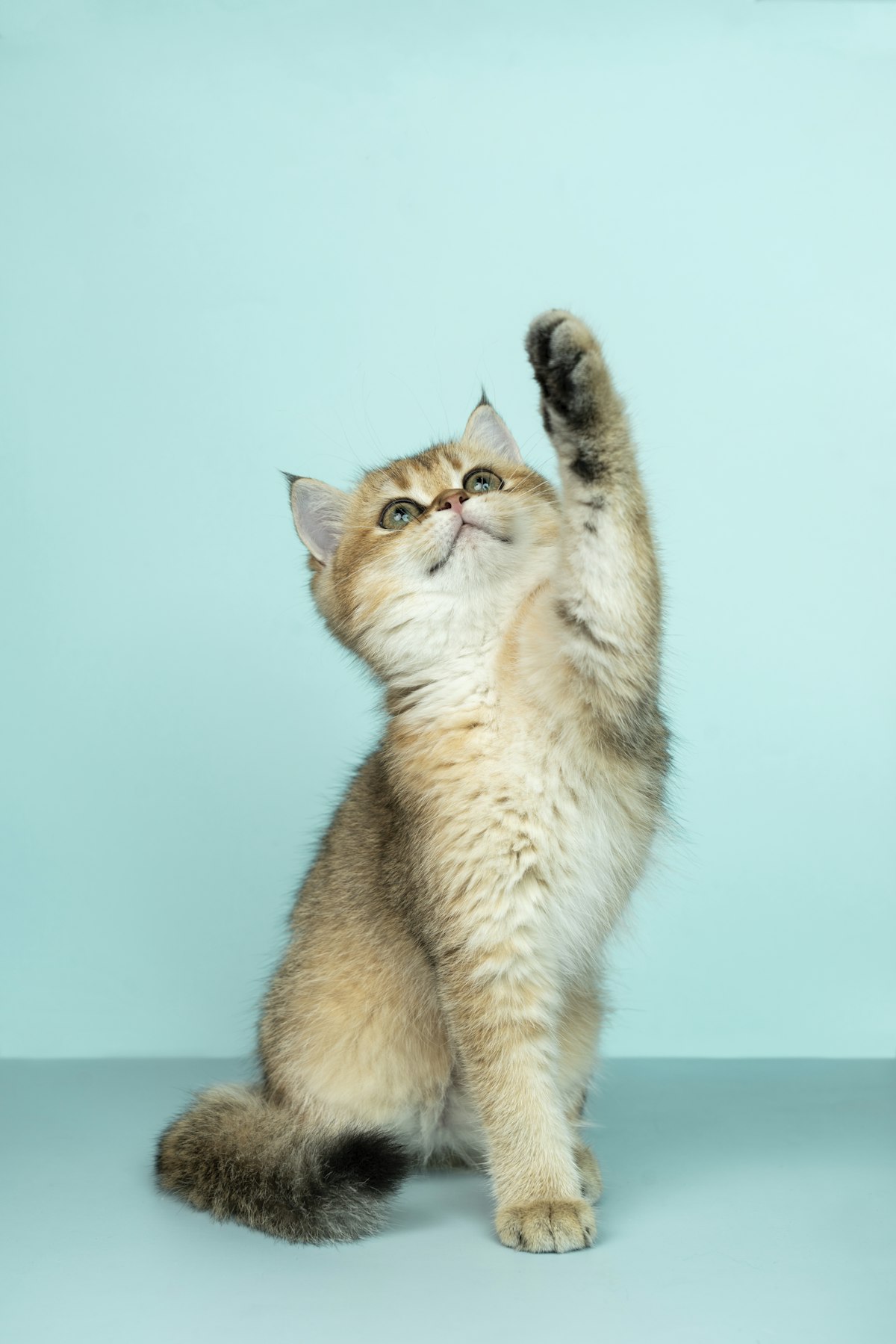
Find the best grooming tools for Persian cats in our 2026 buying guide—expert-selected brushes, dematting tools, combs and shampoos tailored for long-hair care. This Cat Grooming guide helps Persian cat owners choose safe, efficient products to reduce mats, shedding and keep silky, healthy coats year-round.
Top Picks
- Furminator Cat Deshedding Tool — Best Deshedder: The Furminator Cat Deshedding Tool earned the Best Deshedder award for its precision-engineered stainless steel edge that safely reaches through the topcoat to effectively remove loose undercoat hair without damaging the delicate guard hairs of Persian cats.
- Cat Grooming Glove Deshedding — Best Glove: The Cat Grooming Glove Deshedding won Best Glove because its gentle, flexible silicone nodules provide a soothing massage while efficiently lifting loose surface hair, making it perfect for daily touch-ups and bonding with sensitive Persians.
- Cat Brush Soft Bristle — Best Bristle Brush: The Cat Brush Soft Bristle was awarded Best Bristle Brush for its ability to distribute natural oils and smooth the topcoat, offering a relaxing finishing touch that enhances the shine of a Persian's luxurious fur.
- Cat Grooming Rake Gentle — Best Rake: The Cat Grooming Rake Gentle secured the Best Rake title due to its sturdy, rounded pins that penetrate deep into dense coats to safely detangle and prevent severe mats without scratching the skin.
- Cat Nail Clippers Professional — Best Nail Clippers: The Cat Nail Clippers Professional earned Best Nail Clippers for their sharp, precise blades and built-in safety guards, ensuring quick, stress-free trims that protect both the cat and the owner during grooming sessions.
Persian cats are the quintessential long-hair breed and their dramatic, flowing coats demand more than occasional attention—grooming is an ongoing commitment that directly affects comfort, health, and appearance. Their dense, fine fur tends to mat close to the skin, trapping oils, debris, and moisture in ways short-haired breeds rarely experience; even a short period without proper care can lead to painful knots, irritated skin, and increased risk of parasitic or fungal issues. Beyond the coat, the breed’s unique facial structure—short noses and prominent tear ducts—creates specific secondary needs: tear staining around the eyes requires gentle cleaning routines, and sensitive facial skin calls for precision tools that avoid abrasion. Persians also often have a lower tolerance for prolonged handling or noisy equipment, so choosing grooming implements that reduce stress—soft-grip handles, low-vibration clippers, and quiet dryers—can be as important as their technical efficacy. Environmental factors matter too: indoor air quality, humidity, and seasonal shedding cycles influence how often you must detangle, bathe, and condition the coat. For owners who value both aesthetics and feline wellbeing, understanding the interplay between brush type, comb spacing, dematting solutions, and routine scheduling is the first step toward preventing chronic problems and keeping a Persian’s coat luminous and manageable year-round.
This buying guide for 2026 is designed to take the guesswork out of assembling a grooming kit tailored specifically for Persian cats, from everyday maintenance to occasional heavy-duty detangling. You’ll find practical, breed-focused recommendations across categories—slicker brushes and pin brushes for surface smoothing, wide-tooth and stainless-steel combs for parting and detection of tangles, dematting rakes and ergonomic deshedding tools for safely removing undercoat buildup, plus precision grooming scissors and rounded-tip shears for sensitive facial and paw areas. The guide covers supportive accessories as well: non-slip grooming mats, adjustable grooming tables, low-noise dryers calibrated for fine coats, and clippers with quiet motors and skin-safe blades for occasional trims. We’ll also walk through product features to prioritize in 2026—hypoallergenic materials, antimicrobial coatings, sustainably sourced handles, and modular tool heads that extend longevity and reduce waste. Practical care protocols are included too: step-by-step brushing schedules, bathing and drying techniques optimized for long-haired cats, tear-stain management, and tips for introducing tools gradually to build tolerance. If you’re looking to shop curated options after reading, start in our Cat Grooming category where each recommended item is selected with Persian-specific needs in mind, so you can build a routine that keeps your cat healthy, comfortable, and photo-ready throughout 2026 and beyond.
Why Do Persian Cats Need Specialized Grooming Tools?
Persian cats have a uniquely luxuriant coat that differs fundamentally from that of most short-haired breeds. Their fur is long, dense, and often composed of a soft undercoat beneath longer guard hairs. This multi-layered structure traps more air and moisture than single-layer coats, which gives Persians their plush appearance but also makes that coat heavier and slower to dry. The texture and volume mean tangles and debris are more likely to cling to the hair shafts, so routine surface brushing alone is rarely sufficient. Instead, grooming must address both the surface and the undercoat with tools designed to reach through layers without causing breakage or skin irritation.
Because of their coat density and length, Persians are at significantly higher risk of matting. Mats begin as small tangles that tighten and compact against the skin; left unchecked, they form felt-like clumps that pinch the skin and restrict airflow. Mats commonly develop in high-friction and moisture-prone areas such as the armpits, behind the ears, around the neck ruff, and along the belly. Removing established mats requires specific tools—wide-toothed combs to separate fibers, dematting rakes to break tangles, and blunt-tipped scissors for safe trimming—plus the technique to avoid cutting the skin. Regular maintenance with the right tools prevents mats before they form, making grooming less stressful for both cat and caregiver.
Hairball formation is another reason Persian grooming must be intentional and frequent. Persians groom themselves but their long hairs are more likely to be ingested and accumulate in the stomach. Regular brushing and combing remove loose hairs before they are swallowed, dramatically reducing the volume of hair that reaches the digestive tract. Specialized grooming tools that capture loose undercoat—such as de-shedding tools and undercoat rakes—are especially valuable. Combined with occasional bathing to loosen dead hair and targeted detangling sprays, mechanical removal is the most reliable way to lower hairball frequency without relying solely on dietary solutions.
Long, dense coats also create micro-environments that can predispose Persians to skin issues if grooming is neglected. Trapped moisture and debris contribute to bacterial or yeast overgrowth, localized dermatitis, and irritated follicles. Mats and thick fur can conceal fleas, lumps, or skin injuries, delaying diagnosis and treatment. Fine-toothed combs and routine inspections during grooming are essential to detect early signs of skin problems. Additionally, because Persians are brachycephalic (flat-faced), they may have reduced ability to self-groom effectively around the face and neck, increasing reliance on human-assisted grooming in those sensitive zones.
Finally, the tactile sensitivity of Persian skin means that tools must be both effective and gentle. Slicker brushes with fine, flexible pins, stainless steel combs with rounded teeth, and ergonomic handles reduce the risk of skin irritation and make sessions more comfortable. Proper tool selection speeds grooming, reduces stress for the cat, and lowers the likelihood of skin trauma or anxiety-related resistance. For these reasons, investing in specialized grooming tools is not optional for Persian owners—it’s a practical, preventive approach to preserving coat health, skin integrity, and overall wellbeing.
| Aspect | Persian Cats | Short-haired Cats |
|---|---|---|
| Grooming Needs | High — daily to every-other-day brushing to prevent tangles and mats; periodic bathing and targeted trimming around face and sanitary areas. | Low to moderate — weekly brushing usually sufficient; occasional baths and trimming typically not required except for specific issues. |
| Shedding Frequency | Moderate to high year-round due to dense undercoat; seasonal blowouts possible, requiring more frequent de-shedding. | Variable but generally lower — shedding is often more seasonal with shorter hairs that are easier to remove by routine brushing. |
| Tool Requirements | Specialized set recommended: slicker brush, wide-toothed comb, undercoat rake, de-matting tool, stainless comb, and grooming scissors; gentle shampoos and conditioners can be helpful. | Basic kit adequate: soft bristle brush or rubber grooming mitt, fine-toothed comb for occasional tangles; de-shedding tool optional. |
What Should You Look For in Cat Grooming Tools for Long Hair?
Ergonomics matter more than many shoppers realize, especially when working through a long-haired cat's dense coat. Look for tools with handles that fit your hand size and reduce wrist rotation—contoured, rubberized grips and a slight angle between handle and head help maintain a neutral wrist position during repetitive strokes. Weight distribution is also important: a well-balanced tool feels lighter in use and reduces fatigue during longer sessions required for mats or thick undercoats. If you or other household members have joint issues, prioritize lightweight designs and consider tools with extended handles or swiveling heads so you can vary stroke angles without straining. Ergonomics also influence control: a secure non-slip grip reduces accidental slips that can startle a cat or pinch skin when detangling.
Bristle and tooth type determine how effectively a tool moves through guard hairs and reaches the undercoat. For long-haired cats, a combination approach is often best: wider-spaced stainless steel pins or rake teeth to penetrate and remove loose undercoat, paired with finer bristles or a soft slicker surface to finish and smooth the topcoat. Pins should have rounded tips to avoid scratching, and spacing matters—closer pins can cause mat compression without removing knots, while very wide pins are better for heavy shedding but won’t catch small tangles. Evaluate the flexibility of the pins: semi-flexible pins bend around body contours and reduce tugging on mats, while rigid pins provide deeper penetration for dense coats. For sensitive areas like the belly and face, softer bristle pads or silicone brushes offer a gentler touch without sacrificing grooming benefit.
Safety features should be non-negotiable for long-haired cats, whose thick coats can conceal sensitive skin, wounds, or hot spots. Rounded tips on pins, cushioned bases on slicker brushes, and guarded edges on combs reduce the risk of nicks and irritation. Tools designed with a safety-release mechanism—such as de-matting knives or rakes with retractable blades—let you gradually remove mats without cutting hair close to the skin. Locking handles prevent accidental folding or collapse, and tools with visible hair-release buttons make cleaning simpler and reduce the temptation to forcefully pull embedded hair. If your cat tends to bolt, choose brushes with soft edges and quiet construction; sudden, noisy clicks can escalate stress and make grooming sessions less effective.
Durability influences both long-term safety and value. Stainless steel components resist bending and are ideal for teeth, blades, and pin cores because they retain shape under repeated tension and are easy to sanitize. However, the overall construction—how pins are anchored, whether heads are bolted or molded, and whether moving parts use metal bearings versus plastic—is what determines lifespan. Plastic tools are lightweight and inexpensive but may crack under stress or warp with heat; they can be fine for light finishing brushes but tend to fail when used to de-mat tough tangles. Silicone parts are corrosion-resistant and comfortable against skin but may degrade over years of exposure to oils and cleaners. Look for replaceable heads, robust warranties, and corrosion-resistant fasteners to ensure your tools keep performing across shedding seasons.
Maintenance and build quality go hand in hand with material choices: tools that disassemble for cleaning or have hair-release features reduce bacterial buildup and preserve bristle integrity. Consider whether brush heads are sealed or have gaps where fur can accumulate, and whether jointed tools use stainless fasteners instead of plated metals that can flake. For multi-cat households or cats with skin issues, materials that withstand disinfectants (stainless steel, silicone) are preferable. Finally, think about lifecycle cost—spend a bit more on a ergonomically designed, durable tool with replaceable parts and you’ll likely avoid the repeated expense and frustration of cheap tools that break mid-grooming.
| Material | Pros | Cons | Best For |
|---|---|---|---|
| Stainless Steel | Very durable and rigid; excellent for de-matting, rakes, and combs; resists corrosion and holds shape; easy to sanitize. | Heavier than plastic; can be harsh if pins lack rounded tips; higher cost for high-grade alloys. | Undercoat rakes, de-matting tools, sturdy combs for thick, dense long coats. |
| Plastic | Lightweight and inexpensive; comfortable molded handles; good for finishing brushes and some slicker designs. | Less durable under stress; pins or teeth may warp or break; can retain odors and be heat-sensitive. | Gentle finishing brushes, lightweight grooming tools for low-maintenance touch-ups. |
| Silicone | Soft and flexible; gentle on skin; excellent for massages and removing surface hair; resists corrosion and is easy to clean. | Not effective for deep de-matting; can attract lint and require frequent cleaning; less structural strength for heavy-duty use. | Soft grooming, deshedding finishing tools, tools for sensitive areas and shy cats. |
Best Deshedder: Furminator Cat Deshedding Tool
The Furminator Cat Deshedding Tool earns the "Best Deshedder" award for Persian cats because it was purpose-built to address the unique challenges of a long, dense double coat. Persian coats have a fluffy topcoat that lies over a thick, soft undercoat that sheds continuously; effective deshedding requires removing loose undercoat hair without cutting or roughing the guard hairs. The Furminator's de-shedding edge is a precision-ground stainless-steel blade engineered to slide beneath the topcoat and lift away loose undercoat fibers. This means it decreases loose hair at the source rather than simply trimming the surface, leading to longer-lasting results and fewer hairballs when used regularly.
Design details set this tool apart for Persians. The de-shedding edge is curved to follow the natural contours of a cat's body, which is particularly helpful around the flanks and shoulders where mats often start. The teeth are spaced specifically for long hair, allowing them to penetrate deeply without snagging or pulling. A standout feature is the FURejector button, which releases collected hair with a simple push. This is crucial during heavy shedding seasons when the tool fills quickly; it allows you to keep one hand on your cat to maintain calm while easily clearing the blade with the other, streamlining the grooming process and reducing interruptions.
Ease of use is further enhanced by the ergonomic handle. Grooming a Persian can be time-consuming, and hand fatigue is a real concern. The Furminator features a comfortable, rubberized grip that provides excellent control even if your hands are damp from detangling sprays. The weight of the tool is balanced toward the head, meaning you don't need to apply downward pressure—the tool does the work as you glide it gently over the coat. This reduces the risk of pressing too hard and irritating the cat's sensitive skin, making the experience more pleasant for both of you.
While highly effective, it's important to use the Furminator correctly to avoid over-grooming. It is not a daily brush; it is a specialized tool meant for weekly or bi-weekly use to manage shedding. Overuse can thin the coat excessively or cause skin irritation. However, when integrated into a comprehensive grooming routine alongside slicker brushes and combs, the Furminator is unparalleled in its ability to manage the sheer volume of undercoat a Persian produces, making it an indispensable tool for maintaining a healthy, mat-free coat and a cleaner home.
| Feature | Pros | Cons |
|---|---|---|
| Stainless Steel Edge | Reaches deep into the undercoat; highly durable; curved for body contours. | Can cause irritation if pressed too hard; not for daily use. |
| FURejector Button | Allows for easy, one-handed hair removal; speeds up grooming sessions. | Mechanism can occasionally jam if overloaded with very thick mats. |
| Ergonomic Handle | Comfortable grip reduces hand fatigue; balanced weight improves control. | Tool is slightly heavier than basic plastic brushes. |
Best Glove: Cat Grooming Glove Deshedding
The Cat Grooming Glove Deshedding earns the "Best Glove" award for Persian cats by transforming a necessary chore into a positive bonding experience. Many Persians, despite their docile nature, can become anxious or overstimulated by the sight and sound of traditional metal grooming tools. A grooming glove bypasses this anxiety because it mimics the natural motion of petting. As you stroke your cat, the flexible silicone nodules on the palm and fingers gently lift loose hair and dirt from the topcoat. This gentle approach is particularly effective for cats that are sensitive to brushing or are being introduced to a grooming routine for the first time.
The effectiveness of this glove lies in its design. The silicone tips are soft enough to avoid scratching the skin but firm enough to grasp and hold onto loose fur. For a Persian, this means you can easily remove daily shedding from the surface of the coat without pulling on tangles. The glove is also highly versatile; the five-finger design allows you to reach contoured areas that are difficult to manage with a flat brush, such as behind the ears, under the chin, and along the legs. This ensures a more thorough surface cleaning and helps distribute natural skin oils throughout the coat, enhancing its shine and health.
Beyond hair removal, the grooming glove offers significant bonding benefits. The massaging action of the silicone tips stimulates blood circulation and can be incredibly relaxing for the cat. This tactile interaction helps build trust and can make your Persian more amenable to other, more intensive grooming procedures, like dematting or nail clipping. It’s an excellent tool for daily maintenance, allowing you to keep shedding under control while spending quality time with your pet. The collected hair peels off the silicone surface relatively easily, making cleanup straightforward.
While the grooming glove is fantastic for daily surface maintenance and bonding, it is important to note its limitations. It will not penetrate deeply enough to remove heavy undercoat buildup or detangle established mats in a Persian's dense fur. Therefore, it should be used as a complementary tool alongside combs and rakes, rather than a standalone solution. However, for its ability to reduce surface shedding, massage the skin, and provide a stress-free grooming experience, it is an invaluable addition to any Persian owner's toolkit.
| Feature | Pros | Cons |
|---|---|---|
| Silicone Nodules | Gentle on skin; effectively grabs loose surface hair; provides a relaxing massage. | Does not penetrate deep enough to remove undercoat or mats. |
| Five-Finger Design | Allows for grooming hard-to-reach areas like the face and legs; mimics natural petting. | One size fits most may be too loose for smaller hands. |
| Easy Cleanup | Hair generally peels off in one piece; easy to wash and dry. | Can attract lint and dust when not in use. |
Best Bristle Brush: Cat Brush Soft Bristle
The Cat Brush Soft Bristle earns the "Best Bristle Brush" award for Persian cats because it excels at the crucial final step of the grooming process: finishing and polishing the coat. While rakes and combs do the heavy lifting of detangling and removing undercoat, a high-quality bristle brush is essential for maintaining the luxurious appearance of a Persian's topcoat. The soft, densely packed bristles glide over the surface of the fur, smoothing down the guard hairs and creating a sleek, cohesive look. This brush is not designed to remove mats, but rather to perfect the coat after the deeper grooming work is done.
One of the primary benefits of this bristle brush is its ability to distribute natural oils. A Persian's skin produces sebum, which protects the skin and gives the coat its natural shine. However, because of the coat's length and density, these oils can sometimes accumulate near the skin or unevenly along the hair shafts. The soft bristles gently sweep these oils from the root to the tip of each hair, conditioning the coat naturally and preventing it from looking dry or brittle. This regular distribution of oils also helps to repel dirt and moisture, keeping the coat cleaner between baths.
The gentle nature of the soft bristles makes this brush an excellent tool for sensitive areas and for cats that are easily stressed by grooming. It can be used safely around the face, ears, and belly without risk of scratching the skin. The sensation of the soft bristles is often perceived as a comforting massage, which can help calm an anxious cat and make the grooming session end on a positive note. This makes it an ideal tool for daily touch-ups, allowing you to maintain the coat's appearance and reinforce a positive association with grooming.
When selecting a bristle brush for a Persian, the quality of the bristles and the handle design are key. This award-winning brush features durable, synthetic bristles that are soft enough to be gentle but resilient enough to withstand regular use and cleaning. The handle is ergonomically designed for a comfortable grip, allowing for smooth, sweeping strokes. While it won't tackle tangles, the Cat Brush Soft Bristle is indispensable for achieving that show-quality finish and keeping your Persian's coat looking its absolute best.
| Feature | Pros | Cons |
|---|---|---|
| Soft, Dense Bristles | Smooths the topcoat; gentle on sensitive skin; provides a relaxing massage. | Ineffective for detangling or removing undercoat. |
| Oil Distribution | Naturally conditions the coat by spreading sebum from root to tip; enhances shine. | Requires regular cleaning to prevent oil and dirt buildup on the brush. |
| Ergonomic Handle | Comfortable for daily use; allows for smooth, sweeping strokes. | May lack the heft needed for deeper grooming tasks. |
Best Rake: Cat Grooming Rake Gentle
The Cat Grooming Rake Gentle earns the "Best Rake" award for Persian cats because it provides the deep penetration necessary to manage a thick double coat without causing pain or skin damage. A rake is an essential tool for preventing the severe mats that Persians are prone to developing. Unlike surface brushes, the long, sturdy pins of this rake are designed to reach all the way through the dense topcoat and into the undercoat, where tangles typically begin. By gently pulling through this lower layer, the rake separates the hairs and removes loose undercoat before it has a chance to compact into a mat.
What sets this specific rake apart is its focus on gentleness. The pins are constructed from smooth stainless steel and feature rounded tips. This is a critical safety feature for Persians, whose skin can be surprisingly delicate beneath all that fur. The rounded tips ensure that even when the rake reaches the skin, it glides smoothly without scratching or irritating. Furthermore, the pins are spaced optimally for long hair—wide enough to pass through the coat without excessive pulling, but close enough to catch and remove loose undercoat fibers effectively.
The effectiveness of the Cat Grooming Rake Gentle in detangling is unmatched. When encountering a small tangle, the sturdy pins can often work it loose with gentle, repeated strokes, preventing it from escalating into a larger problem. For heavier undercoat removal, the rake pulls out dead hair in satisfying clumps, significantly reducing the volume of fur that ends up on your furniture or in your cat's stomach. Regular use of this rake is one of the most proactive steps you can take to maintain a healthy, breathable coat and prevent the need for drastic measures like shaving.
The design of the handle also contributes to its award-winning status. It features a comfortable, non-slip grip that provides excellent leverage. This is important because working through a dense Persian coat requires steady, controlled movements. The ergonomic design reduces hand and wrist fatigue, allowing you to groom more thoroughly and patiently. While it requires a bit more technique than a simple slicker brush—always pull in the direction of hair growth and avoid harsh yanking—the Cat Grooming Rake Gentle is a powerful, safe, and essential tool for deep coat maintenance.
| Feature | Pros | Cons |
|---|---|---|
| Long, Rounded Pins | Reaches deep into the undercoat; safely detangles without scratching the skin. | Can pull if forced through severe, established mats. |
| Optimal Pin Spacing | Effectively removes loose undercoat while allowing guard hairs to pass through. | May not catch very fine surface shedding as well as a slicker brush. |
| Ergonomic Grip | Provides good leverage and control; reduces hand fatigue during deep grooming. | Tool is bulkier than standard combs. |
Best Nail Clippers: Cat Nail Clippers Professional
The Cat Nail Clippers Professional earns the "Best Nail Clippers" award for Persian cats by combining precision cutting with essential safety features, making a potentially stressful task quick and secure. While nail clipping isn't specific to long-haired breeds, Persians often require more frequent trims because their indoor lifestyle and heavy coats can make them less active, leading to overgrown nails that can snag on carpets or curl into the paw pads. These clippers are designed with sharp, stainless steel blades that provide a clean, swift cut. A clean cut is crucial; dull blades can crush or splinter the nail, causing pain and making the cat resistant to future grooming sessions.
Safety is paramount when clipping a cat's nails, and these clippers excel in this area. They feature a built-in safety guard—a small piece of metal behind the blades that prevents you from inserting too much of the nail into the cutting area. This significantly reduces the risk of accidentally cutting the "quick," the sensitive blood vessel inside the nail. For owners of Persians, who may have tufts of fur between their toes that obscure the view of the nail, this safety guard provides invaluable peace of mind and allows for more confident, efficient clipping.
Ease of handling is another reason these clippers stand out. The handles are ergonomically designed and coated with a non-slip rubberized material. This ensures a secure grip, even if your cat is squirming or if your hands are slightly damp. The spring-loaded mechanism provides smooth action, automatically opening the blades after each cut, which speeds up the process. The compact size of the clippers is also ideal for a cat's small paws, allowing for better visibility and maneuverability compared to larger, dog-sized clippers.
Regular nail maintenance is a vital part of overall grooming. Overgrown nails can affect a cat's posture and mobility, and sharp nails can inadvertently scratch you during brushing or bathing sessions. By using the Cat Nail Clippers Professional, you can maintain your Persian's nails safely and efficiently. The combination of sharp blades, a reliable safety guard, and comfortable handles makes these clippers the best choice for keeping your cat's paws healthy and your grooming sessions stress-free.
| Feature | Pros | Cons |
|---|---|---|
| Sharp Stainless Steel Blades | Provides a clean, quick cut without crushing or splintering the nail. | Blades will eventually dull over time and require replacement of the tool. |
| Built-in Safety Guard | Prevents over-cutting and protects the sensitive quick. | Can sometimes obscure the view of the very tip of the nail for experienced groomers. |
| Ergonomic, Non-slip Handles | Ensures a secure grip and comfortable handling; spring-loaded for quick action. | Spring mechanism may weaken after years of heavy use. |
How Much and How Often Should You Groom Your Persian Cat?
Establishing a consistent grooming schedule is the most effective way to manage a Persian cat's demanding coat. The frequency and intensity of grooming depend on the season, the cat's age, and the specific texture of their fur, but a baseline routine is essential. Daily grooming should focus on prevention. Spend 5 to 10 minutes each day using a wide-toothed comb or a slicker brush to gently work through the topcoat and check for emerging tangles, particularly in high-friction areas like behind the ears, under the armpits, and around the sanitary region. This daily interaction not only prevents mats from forming but also helps your cat become accustomed to handling, making longer sessions less stressful.
Weekly deep grooming is where the heavy lifting happens. Once or twice a week, dedicate 20 to 30 minutes to a thorough session. Start with a wide-toothed comb to separate the hair, then use an undercoat rake or a deshedding tool to gently remove loose undercoat fibers. This is crucial for preventing the dense undercoat from compacting into mats and significantly reduces the amount of hair your cat might ingest, thereby lowering the risk of hairballs. Finish the weekly session with a soft bristle brush to distribute natural oils and smooth the topcoat. During this time, also check the ears for wax buildup and gently wipe the eyes with a damp cloth to manage tear staining, a common issue for flat-faced Persians.
Monthly maintenance involves tasks that don't require daily or weekly attention but are vital for overall health. This includes clipping the nails using professional cat nail clippers to prevent overgrowth and snagging. Bathing is also typically a monthly or bi-monthly task for Persians, depending on how quickly their coat becomes greasy or dirty. Use a high-quality, cat-specific shampoo and conditioner, and ensure the coat is completely dried—often requiring a low-heat pet dryer—as damp undercoats can lead to skin infections or rapid matting. Always remember to consult your veterinarian if you notice any persistent skin redness, excessive flaking, or unusual hair loss during your grooming routines, as these could indicate underlying health issues.
Consistency is key. Skipping grooming sessions, even for a few days, can allow small tangles to escalate into tight mats that are painful to remove and may require professional intervention or shaving. By breaking the grooming process down into manageable daily, weekly, and monthly tasks, you can maintain your Persian's coat in optimal condition without overwhelming yourself or your pet. A structured approach ensures that grooming remains a positive, routine part of your cat's life rather than a stressful event.
| Task | Frequency | Recommended Tool |
|---|---|---|
| Surface Brushing & Tangle Check | Daily (5-10 minutes) | Slicker Brush, Wide-toothed Comb, or Grooming Glove |
| Deep Undercoat Removal & Detangling | 1-2 times per week (20-30 minutes) | Undercoat Rake, Deshedding Tool, Stainless Steel Comb |
| Eye Cleaning & Tear Stain Management | Daily to Every Other Day | Soft damp cloth or specialized pet eye wipes |
| Nail Clipping | Every 3-4 weeks | Professional Cat Nail Clippers with safety guard |
| Bathing and Full Blow-dry | Every 4-8 weeks (as needed) | Cat-specific shampoo/conditioner, low-heat pet dryer |
Putting It All Together
Caring for a Persian cat’s magnificent coat is a labor of love that requires the right tools and a consistent routine. As we’ve explored in this guide, no single brush or comb can handle the complex needs of a dense, double-layered long coat. A complete grooming toolkit must include specialized implements: a deshedding tool to manage the undercoat, a gentle rake for deep detangling, a soft bristle brush for finishing and oil distribution, and precision clippers for safe nail maintenance. By understanding the specific purpose of each tool, you can address tangles before they become mats, reduce shedding and hairballs, and maintain the health of your cat’s sensitive skin.
Building this toolkit doesn't have to be overwhelming. Start with the essentials—a good comb and a reliable rake—and gradually add specialized tools like deshedders and grooming gloves as you refine your routine. Remember that grooming is not just about aesthetics; it is a fundamental aspect of your Persian's overall health and comfort. Regular, gentle grooming sessions also provide an invaluable opportunity to bond with your pet and monitor them for any hidden skin issues or parasites.
If you are ready to upgrade your grooming routine or are preparing for a new Persian kitten, having the right equipment on hand is the first step to success. We encourage you to explore our curated selection of high-quality, breed-appropriate tools. Visit our Cat Grooming section to find the award-winning products mentioned in this guide and build a comprehensive kit that will keep your Persian looking and feeling their absolute best throughout 2026 and beyond.
Frequently Asked Questions
How often should I brush my Persian cat?
Persian cats require daily brushing to prevent mats and tangles in their long, dense coats. A thorough grooming session every other day, combined with daily touch-ups, is ideal for maintaining coat health and reducing hairballs.
What is the best brush for a Persian cat's undercoat?
A high-quality deshedding tool or an undercoat rake is best for a Persian cat's undercoat. These tools are designed to reach through the topcoat to gently remove loose hair and prevent matting without damaging the skin.
Can I use human hair clippers on my Persian cat?
No, human hair clippers are not recommended for cats. Cat hair is much finer and denser, and human clippers can pull the fur or overheat, causing discomfort or injury. Always use clippers specifically designed for pet grooming.
How do I safely remove mats from my Persian cat?
To safely remove mats, use a specialized dematting tool or a wide-toothed comb, working gently from the tip of the hair down to the skin. Never pull forcefully; if a mat is too tight, it may need to be carefully trimmed with blunt-nosed grooming scissors or handled by a professional.
Do Persian cats need regular baths?
Yes, Persian cats generally benefit from a bath every 4 to 6 weeks to remove excess oil, dirt, and loose hair that brushing alone might miss. Always use a cat-specific shampoo and ensure the coat is completely dried to prevent skin issues.