Best Toys for Maine Coon Cats: Big-Cat Picks for 2026
By Michelle — Michelle's Pet Shop. Published May 15, 2026. 27 min read.
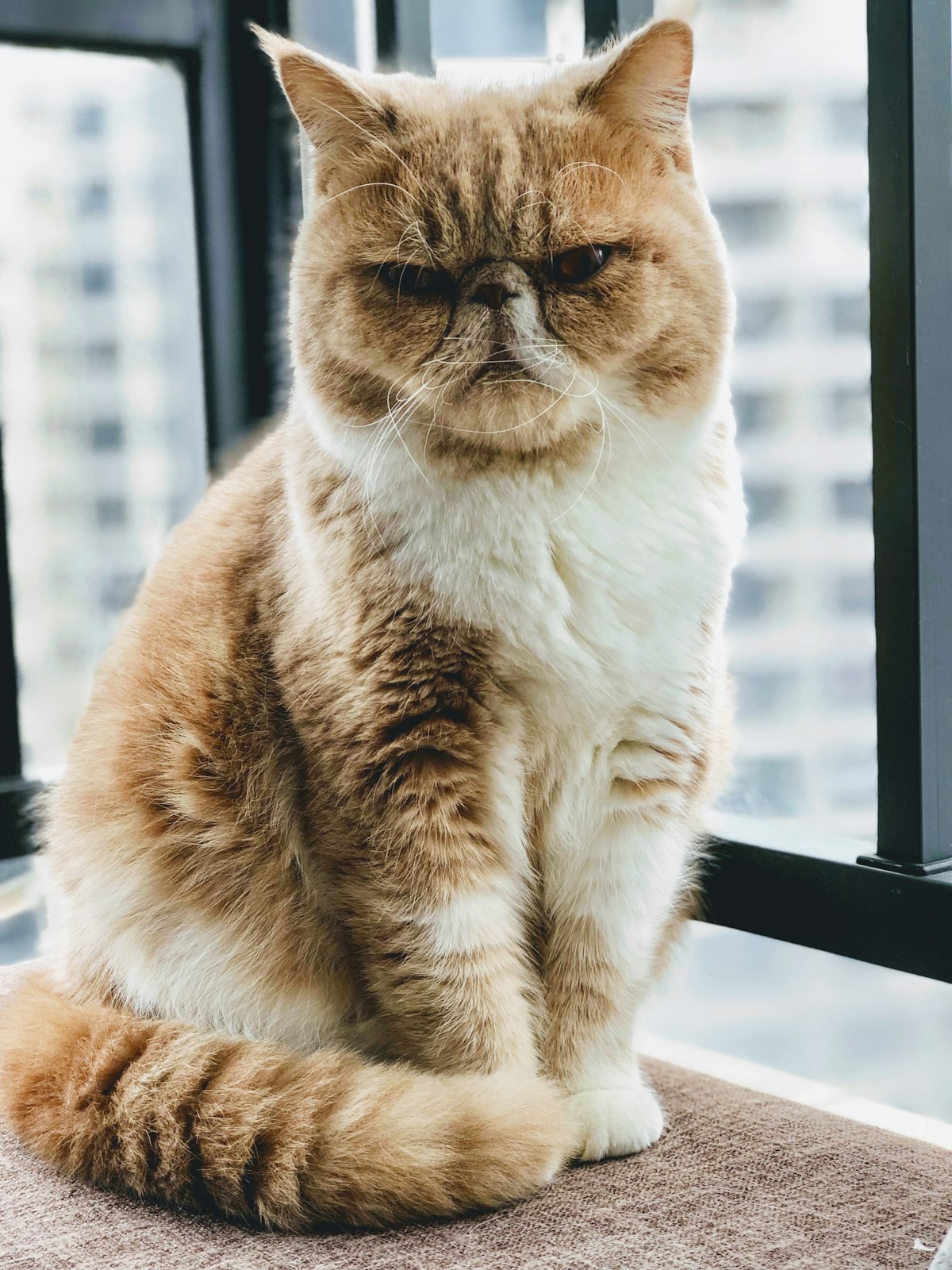
Discover the best toys for Maine Coon cats in our comprehensive 2026 buying guide. From durable kickers to engaging wands, we explore top picks designed specifically for the size, intelligence, and hunting instincts of your magnificent large breed feline.
Top Picks
- Feather Wand Cat Toy — Best Wand: Its durable construction and lifelike feather movements perfectly engage a Maine Coon's natural hunting instincts and agility.
- Cat Toy Laser Pointer Pen — Best Laser: Provides intense, fast-paced cardiovascular exercise that helps keep large Maine Coons active and at a healthy weight.
- Catnip Kicker Cat Toy — Best Kicker: Sized appropriately for larger cats, it withstands the powerful bunny-kicks and grappling typical of Maine Coon play.
- Crinkle Cat Toy Balls — Best Solo: The engaging crinkle sound and lightweight design make it an irresistible option for independent play when you are busy.
- Cat Spring Toy Coil — Best for Pouncing: Its unpredictable bouncing action triggers ambush instincts, providing excellent mental and physical stimulation for intelligent cats.
If you share your home with a Maine Coon, you already know that these cats are not your average lap-and-nap companions. They are intelligent, physically imposing, and wired with a predatory drive that demands serious mental and physical stimulation every single day. A flimsy feather on a plastic stick simply will not cut it for a breed that can tip the scales at 18 pounds and leap to heights that make guests genuinely nervous. Choosing the wrong toy does not just mean a bored cat — it means a destructive, frustrated one. Getting it right, on the other hand, unlocks a side of your Maine Coon that is nothing short of spectacular to watch.
That is exactly why we put together this 2026 buying guide specifically for Maine Coon owners. Inside, you will find everything you need to know about sizing, durability, play styles, and the features that matter most for this breed in particular. Whether you are shopping for an energetic kitten or a seasoned adult who has already destroyed three toy bins, our curated selection from the Cat Toys category at Michelle's Pet Shop gives you a trustworthy starting point for every budget and play preference.
Why Do Maine Coon Cats Need Specialized Toys?
Maine Coon cats are not your average domestic feline, and anyone who has shared a home with one will tell you that immediately. As one of the largest domesticated cat breeds in the world, adult Maine Coons routinely weigh between 12 and 25 pounds, with males often reaching the higher end of that range. Their muscular, rectangular body shape, broad chest, and large, tufted paws mean they bring a level of physical force to playtime that most standard cat toys simply were not designed to withstand. A flimsy plastic wand or a lightweight foam ball that entertains a smaller domestic shorthair for weeks may be destroyed by a Maine Coon in a matter of minutes.
Beyond their impressive size, Maine Coons possess a level of intelligence that sets them apart from many other breeds. They are problem solvers by nature, capable of learning commands, figuring out latches, and recognizing patterns in their environment. This cognitive ability means that a toy offering only one type of interaction, such as a simple crinkle ball, will lose its appeal very quickly. Maine Coons need toys that challenge their minds as well as their bodies. Puzzle feeders, multi-stage interactive toys, and items that respond unpredictably to their movements are far more likely to hold their attention for extended periods.
The hunting instincts of the Maine Coon are also notably strong. Bred originally as working cats in the rugged climate of New England, these cats were prized for their ability to catch rodents and small game. That prey drive did not disappear with domestication. Maine Coons stalk, pounce, bat, and carry their toys with the same deliberate intensity their ancestors used in the field. Toys that mimic the movement, texture, and size of real prey, such as larger feather wands, realistic plush mice, and motorized tunnel toys, tap into this instinct in a way that generic, undersized toys simply cannot replicate.
Perhaps most distinctively, Maine Coons are often described as having a dog-like personality. They follow their owners from room to room, enjoy interactive play sessions rather than solo entertainment, and thrive on social engagement. This means that toys requiring human participation, such as wand toys, fetch items, and tug-style rope toys, are particularly well suited to this breed. Leaving a Maine Coon with only self-play toys and expecting them to stay mentally stimulated is a recipe for boredom, and boredom in an intelligent, large cat often leads to destructive behavior.
Choosing the right toys for a Maine Coon is therefore not a matter of preference but of genuine welfare. The wrong toys can break apart and present choking hazards, fail to provide adequate physical exercise, or simply go ignored because they offer no real stimulation. Understanding what makes a toy appropriate for this breed, in terms of scale, durability, complexity, and interactive potential, is the first step toward keeping your Maine Coon healthy, happy, and thoroughly entertained.
| Feature | Standard Cat Toys | Maine Coon Appropriate Toys |
|---|---|---|
| Durability | Designed for average-sized cats; lightweight materials that can crack, tear, or break apart quickly under the strength of a large breed | Constructed from reinforced, heavy-duty materials such as thick rope, solid rubber, or tightly stitched canvas that hold up to powerful biting and clawing |
| Size | Small form factor suited to cats under 10 pounds; can be easily swallowed or batted out of reach, making play frustrating or dangerous | Proportionally larger to match the Maine Coon's bigger paws and mouth; sized to encourage full-body engagement without posing a swallowing risk |
| Engagement Level | Single-mode interaction that quickly becomes predictable; limited ability to sustain interest in a highly intelligent cat | Multi-layered stimulation combining physical challenge, unpredictable movement, and cognitive problem-solving to hold attention over longer sessions |
| Safety | Small detachable parts, thin feathers, and lightweight plastics may break off and become choking or ingestion hazards under heavy play | Reinforced attachment points, non-toxic materials, and larger components specifically chosen to remain intact under the force of a large, strong cat |
What Should You Look For in Toys for Maine Coons?
Maine Coons are not your average house cat. They are one of the largest domestic cat breeds in the world, with adult males regularly tipping the scales between 13 and 18 pounds and females not far behind. Their size alone means that toys designed for a typical tabby or Siamese may simply not hold up to the demands of a Maine Coon play session. Before you invest in a basket full of toys that end up destroyed within the first afternoon, it pays to understand exactly what qualities make a toy genuinely suitable for this magnificent breed.
Durability is arguably the first and most important criterion to consider. Maine Coons have powerful jaws, large paws, and a natural hunting drive that they apply with considerable force during play. Flimsy plastic components, thin fabric coverings, and lightweight constructions will not survive long. Look for toys made from thick, reinforced materials such as heavy-duty nylon, dense rubber, tightly woven natural fibers, or solid wood. Reinforced stitching on plush toys is also a strong indicator of longevity. A toy that falls apart quickly is not just a waste of money — it can also become a safety hazard if small broken pieces are swallowed.
Size matters just as much as construction quality. A toy that is too small poses a genuine choking risk for a large-breed cat, and it also fails to engage them properly. Maine Coons have big paws designed for gripping, and they need toys with enough surface area to bat, wrestle, and carry around comfortably. Wand toys should have substantial feather or ribbon attachments, puzzle feeders should have wide compartments, and plush toys should be large enough to be treated like prey. Think rabbit-sized rather than mouse-sized when you are browsing the shelves.
Mental stimulation is a dimension that owners sometimes overlook in favor of simple physical play. Maine Coons are highly intelligent cats with problem-solving instincts that need regular exercise. Puzzle feeders, treat-dispensing toys, multi-stage interactive toys, and rotating novelty items all help prevent boredom, which in this breed can manifest as destructive behavior or excessive vocalization. Toys that offer variable rewards or unpredictable movement patterns tend to hold a Maine Coon's attention far longer than static objects.
Finally, safety must underpin every purchasing decision you make. Check that all dyes used are non-toxic, that no small detachable parts can be easily bitten off, and that strings or cords are either very short or used only under direct supervision. Elastic bands, button eyes on plush toys, and thin plastic attachments are all potential hazards. Always inspect toys regularly for wear and retire them the moment they begin to break down, regardless of how much your cat may love them.
| Criteria | Why It Matters | What to Avoid |
|---|---|---|
| Durability | Maine Coons play with significant force and will quickly destroy low-quality materials, creating potential ingestion hazards | Thin plastics, lightweight fabrics, poorly stitched seams, and toys with minimal structural integrity |
| Size | Appropriately sized toys reduce choking risks and provide a more satisfying, natural play experience for a large-breed cat | Toys marketed for kittens or small breeds, very small balls, and feather attachments that are too delicate to grip |
| Mental Stimulation | This intelligent breed needs cognitive challenges to stay mentally healthy and to prevent boredom-related behavioral issues | Purely static toys with no interactive element, repetitive designs that offer no variation or reward |
| Safety | Broken components, toxic dyes, and detachable small parts can cause serious internal injuries or poisoning | Button eyes, elastic cords, toxic paints or dyes, and any toy with parts small enough to swallow |
| Engagement Longevity | Maine Coons can lose interest in predictable toys quickly, so sustained engagement supports ongoing physical and mental health | Toys with a single fixed function, low-quality electronic components that fail within days, and designs with no replayability |
Best Wand: Feather Wand Cat Toy
When it comes to wand toys designed for large, intelligent, and athletically gifted cats, few products rise to the occasion quite like the Feather Wand Cat Toy. This is the toy that earned our Best Wand award for Maine Coons, and the reasons go far deeper than simple aesthetics or novelty. Maine Coons are a breed defined by their size, their sharp minds, and their deeply ingrained predatory instincts. A toy that fails to honor those qualities will be ignored within minutes. This one does not get ignored.
The core appeal of any wand toy lies in its ability to mimic the erratic, unpredictable movement of airborne prey. Birds, moths, and other flying creatures do not move in straight lines, and neither does a well-wielded feather wand. The long flexible rod creates distance between your hand and the lure, allowing you to sweep the feathers through wide arcs, dip them suddenly toward the floor, and lift them in sharp vertical bursts that replicate the fluttering escape of a startled bird. For Maine Coons, whose ancestors were skilled hunters in the rugged forests of North America, this kind of motion speaks directly to hardwired behavioral drives. The result is a cat that locks in with full concentration, pupils dilated, haunches lowered, every muscle coiled before the leap.
What separates a great wand toy from a mediocre one is the quality and behavior of the lure itself. The feathers used in this toy are substantial enough to create realistic visual and auditory feedback during play. They rustle, they flutter, and they catch the air in ways that lightweight synthetic alternatives simply cannot replicate. Maine Coons are perceptive animals. They notice when something does not behave like real prey, and they disengage accordingly. The natural movement of these feathers keeps them invested through longer play sessions, which is essential for a breed that requires significant daily physical and mental exercise to stay healthy and well-adjusted.
Beyond the physical workout, wand play delivers a powerful cognitive challenge. Tracking a moving target through three-dimensional space, calculating trajectory, timing a jump, and adjusting mid-leap all demand serious mental engagement. Maine Coons that do not receive adequate mental stimulation are prone to boredom-related behaviors including destructive scratching, excessive vocalization, and attention-seeking disruption. Regular wand toy sessions serve as a structured outlet that satisfies the hunting sequence from stalk to catch, leaving your cat calm, fulfilled, and ready to rest.
Interactive wand play also strengthens the bond between cat and owner in a way that passive toys simply cannot. Because you are the one controlling the lure, your Maine Coon begins to associate you with the excitement and satisfaction of a successful hunt. Over time this builds trust, attentiveness, and a cooperative dynamic that benefits every aspect of your relationship with the cat. Even ten to fifteen minutes of dedicated wand play each evening can produce noticeable improvements in temperament and overall contentment.
| Technique | Description | Best For |
|---|---|---|
| The Flutter and Hover | Hold the wand steady just above the cat's head and vibrate the tip gently so the feathers tremble in place, mimicking a hovering insect or bird. | Building anticipation and encouraging the cat to stalk and focus before striking. |
| The Ground Sweep | Drag the feathers slowly across the floor, occasionally pausing or hiding the lure behind furniture to simulate a scurrying mouse. | Engaging the cat's ground-level hunting instincts and encouraging them to pounce from a hidden position. |
| The Aerial Acrobat | Sweep the wand in wide, high arcs, encouraging the cat to leap vertically to catch the feathers mid-air. | Providing an intense cardiovascular workout and utilizing the Maine Coon's impressive jumping ability. |
| The Retreat | Pull the wand away from the cat in short, jerky movements, mimicking prey trying to escape. | Triggering the chase instinct and encouraging the cat to run and pursue the lure across the room. |
Best Laser: Cat Toy Laser Pointer Pen
When it comes to providing intense, fast-paced cardiovascular exercise for a large breed, the Cat Toy Laser Pointer Pen stands out as an exceptional tool, earning our Best Laser award for Maine Coons. These cats are built for short, explosive bursts of energy, and a laser pointer is uniquely capable of triggering that high-speed chase instinct. Unlike physical toys that require you to move around the room, a laser pointer allows you to direct the action from a stationary position, sending your Maine Coon sprinting down hallways, scrambling up cat trees, and executing sharp turns that burn off excess calories efficiently.
The primary benefit of a laser pointer for a Maine Coon is weight management. Because of their large frame, Maine Coons are prone to obesity if they do not receive adequate daily exercise. Carrying extra weight puts unnecessary strain on their joints and can lead to serious health complications later in life. The erratic, unpredictable movement of the laser dot mimics the frantic scurrying of a small rodent or insect, tapping directly into the cat's predatory drive. Even a Maine Coon that seems reluctant to engage with a wand or a plush toy will often find the darting red dot impossible to resist, making it an invaluable tool for keeping them active and lean.
However, using a laser pointer with a highly intelligent breed like a Maine Coon requires a specific approach to prevent frustration. The fundamental issue with a laser is that the cat can never actually "catch" the prey. They can pounce on the dot, but there is no tactile reward, no physical object beneath their paws. For a problem-solving breed, this lack of closure can lead to behavioral stress or obsessive light-chasing if not managed correctly. The key to successful laser play is to always end the session by directing the laser onto a physical toy—like a kicker or a plush mouse—and turning the light off the moment the cat pounces on it. This allows them to complete the hunting sequence and experience the satisfaction of a successful catch.
Safety is another critical consideration when incorporating a laser pointer into your Maine Coon's routine. The intense light of a laser can cause permanent damage to a cat's retina if shone directly into their eyes. It is essential to keep the beam pointed firmly at the floor or lower walls, avoiding reflective surfaces like mirrors or glass doors that could bounce the light back into their face. Additionally, because laser play encourages such rapid, frantic movement, you must ensure the play area is clear of obstacles, sharp corners, or slippery rugs that could cause your large cat to crash or injure themselves during a high-speed pursuit.
When used responsibly, the Cat Toy Laser Pointer Pen is a highly effective addition to your Maine Coon's enrichment routine. It offers a level of cardiovascular exertion that is difficult to achieve with other toys, helping to maintain their muscular physique and overall health. By understanding the psychological need for a physical catch and prioritizing safety during play, you can turn a simple point of light into a highly rewarding and beneficial exercise session for your magnificent feline.
| Guideline | Reason | Alternative |
|---|---|---|
| Never shine the laser directly into the cat's eyes. | The intense light can cause permanent retinal damage and vision loss. | Keep the beam focused strictly on the floor or lower walls. |
| Always end the play session on a physical toy. | Cats need the tactile satisfaction of a "catch" to complete the hunting sequence and avoid psychological frustration. | Direct the laser onto a plush mouse or kicker toy and turn it off as the cat pounces. |
| Avoid playing on slippery floors or near sharp furniture. | Maine Coons are large and heavy; high-speed chases on poor traction can lead to slips, crashes, and joint injuries. | Conduct laser play on carpeted areas or in clear, open spaces. |
| Do not use the laser as the only form of play. | Relying solely on a laser can lead to obsessive light-chasing behaviors and lacks the physical resistance of grappling toys. | Rotate laser sessions with wand toys, kickers, and puzzle feeders for balanced enrichment. |
Best Kicker: Catnip Kicker Cat Toy
For a breed as large and powerful as the Maine Coon, standard-sized plush toys often fail to provide a satisfying play experience. That is why the Catnip Kicker Cat Toy has earned our Best Kicker award. Maine Coons possess a deeply ingrained instinct to grapple, bite, and bunny-kick their prey—a behavior that requires a toy substantial enough to wrap their front legs around while simultaneously kicking with their powerful hind legs. A typical small mouse toy simply cannot accommodate this full-body engagement, but a properly sized kicker toy is designed specifically for this intense, physical style of play.
The act of bunny-kicking is a natural predatory behavior that cats use in the wild to subdue larger prey. When a Maine Coon engages in this behavior, they are utilizing significant muscle groups in their core, back, and hind legs. The Catnip Kicker Cat Toy provides the perfect resistance for this activity. Its elongated shape allows the cat to secure a firm grip with their teeth and front claws, while the durable fabric withstands the raking action of their back claws. This type of play is not just entertaining; it is a vital form of physical exercise that helps maintain the muscular strength and agility that defines the breed.
Durability is the defining feature of a high-quality kicker toy, and it is absolutely essential when dealing with a Maine Coon. These cats can easily shred poorly constructed toys, turning thin fabrics and weak seams into a mess of stuffing and potential choking hazards within minutes. The Catnip Kicker Cat Toy is constructed from heavy-duty materials with reinforced stitching, ensuring it can survive the repeated, forceful impacts of a large breed's play session. Investing in a robust kicker means you are providing a safe outlet for their most aggressive play instincts without constantly needing to replace destroyed toys.
The addition of catnip serves as a powerful attractant, encouraging the cat to engage with the toy independently. While not all cats react to catnip, those that do often experience a burst of energetic, euphoric play followed by a period of relaxed contentment. For a Maine Coon, the scent of catnip can turn a simple plush cylinder into an irresistible target, prompting them to initiate play even when you are not available to wave a wand or shine a laser. This makes the kicker an excellent tool for solo enrichment, helping to alleviate boredom during the hours when the house is quiet.
Beyond the physical benefits, grappling with a kicker toy provides significant mental and emotional release. The intense, focused energy required to wrestle and kick allows the cat to burn off frustration and pent-up predatory drive in a highly satisfying way. After a vigorous session with a kicker toy, a Maine Coon is typically much calmer and more relaxed, making this type of toy an excellent addition to their daily routine, particularly for indoor-only cats that need safe, constructive outlets for their natural instincts.
| Benefit | Physical Impact | Mental Impact |
|---|---|---|
| Satisfies Grappling Instincts | Engages the core, back, and hind leg muscles through forceful bunny-kicking and wrestling. | Provides a safe, constructive outlet for aggressive predatory drives, reducing frustration. |
| Encourages Independent Play | Keeps the cat physically active even when the owner is not available to participate. | Alleviates boredom and prevents destructive behaviors associated with under-stimulation. |
| Promotes Dental Health | Biting and chewing on durable fabric can help gently clean the teeth and massage the gums. | Satisfies the natural urge to bite and chew in a safe, non-destructive manner. |
| Catnip Stimulation | Triggers a burst of high-energy cardiovascular activity followed by physical relaxation. | Induces a state of euphoric play that enhances mood and overall contentment. |
Best Solo: Crinkle Cat Toy Balls
While Maine Coons are known for their dog-like sociability and love of interactive play, owners cannot be available to entertain them twenty-four hours a day. For those times when you are working, sleeping, or simply busy, providing safe, engaging options for independent play is crucial. The Crinkle Cat Toy Balls have earned our Best Solo award because they perfectly balance safety, sensory engagement, and independent entertainment for this large, intelligent breed.
The genius of the crinkle ball lies in its auditory feedback. Maine Coons have highly sensitive hearing, and the sharp, rustling sound produced by these toys closely mimics the noise of small prey moving through dry leaves or underbrush. This acoustic trigger is often enough to initiate a play session without any human intervention. When a Maine Coon bats the ball across the floor, the resulting sound rewards their action, encouraging them to chase, pounce, and bat it again. This self-reinforcing cycle is essential for solo toys, as it keeps the cat engaged long after the initial novelty has worn off.
Lightweight design is another critical factor in the success of these toys. Despite their large size, Maine Coons enjoy toys they can easily hook with a single claw, toss into the air, and carry in their mouths. The Crinkle Cat Toy Balls are virtually weightless, allowing the cat to send them skittering across hardwood floors or flying over the edge of a sofa with minimal effort. This ease of movement makes the toy highly dynamic, turning a simple batting session into an impromptu game of indoor soccer that provides excellent incidental exercise throughout the day.
Safety is always a primary concern with solo toys, as the cat will be playing with them unsupervised. The Crinkle Cat Toy Balls excel in this area because they are constructed without small, hard plastic parts, glued-on eyes, or easily detachable strings that could pose a choking hazard to a large breed. Their slightly larger-than-average size also prevents them from being accidentally swallowed during enthusiastic play. However, as with any toy, it is important to inspect them regularly and discard any that have become unraveled or heavily damaged over time.
Incorporating high-quality solo toys into your Maine Coon's environment is a vital part of preventing behavioral issues. A cat that relies entirely on its owner for entertainment is prone to developing separation anxiety, excessive vocalization, or destructive habits when left alone. By scattering a few Crinkle Cat Toy Balls around the house, you provide your Maine Coon with the agency to initiate play on their own terms, fostering independence and ensuring they remain mentally and physically stimulated even when the house is quiet.
| Play Type | Pros | Cons | Recommended Frequency |
|---|---|---|---|
| Solo Play (e.g., Crinkle Balls) | Fosters independence, prevents boredom when owners are away, and provides safe, unsupervised exercise. | Lacks the complex, unpredictable movement of interactive play; cats may eventually lose interest if toys are not rotated. | Available at all times; rotate specific toys every few days to maintain novelty. |
| Interactive Play (e.g., Wands, Lasers) | Strengthens the human-animal bond, provides intense cardiovascular exercise, and offers high-level mental stimulation. | Requires dedicated time and energy from the owner; cannot be utilized when the cat is home alone. | At least two 15-20 minute sessions per day, ideally morning and evening. |
Best for Pouncing: Cat Spring Toy Coil
Maine Coons are ambush predators at heart. Despite their impressive size, they possess a remarkable ability to coil their bodies, calculate a trajectory, and launch themselves with startling speed and precision. To truly satisfy this instinct, a toy must offer unpredictable, erratic movement that forces the cat to react in real-time. The Cat Spring Toy Coil delivers exactly that, earning our Best for Pouncing award by providing an unparalleled level of dynamic, high-energy engagement for intelligent felines.
The defining characteristic of the spring toy is its complete unpredictability. When a Maine Coon bats a standard ball, it rolls in a relatively straight, predictable line. When they bat a spring coil, the compressed plastic stores kinetic energy and releases it erratically. The toy might bounce straight up, ricochet off a wall at a sharp angle, or skitter sideways across the floor. This chaotic movement perfectly simulates the desperate, evasive maneuvers of real prey, triggering the cat's deepest hunting instincts and keeping their highly active minds fully engaged in the chase.
This unpredictability is particularly important for a breed as intelligent as the Maine Coon. These cats quickly learn the patterns of standard toys and can become bored when play becomes too routine. The spring coil prevents this cognitive stagnation by ensuring that no two pounces are ever exactly the same. The cat must constantly adjust their speed, angle, and timing to successfully capture the toy, providing a level of mental stimulation that is just as exhausting—and satisfying—as the physical exertion itself.
Physically, the spring toy encourages a full range of motion. Maine Coons will stalk the coil from behind furniture, execute high vertical leaps to catch it mid-bounce, and scramble across the floor in rapid pursuit. This type of varied, explosive movement is excellent for maintaining muscle tone, joint flexibility, and cardiovascular health in a large breed. Furthermore, the lightweight, open design of the coil makes it easy for a Maine Coon to hook with a single claw or carry proudly in their mouth like a freshly caught prize, adding to the overall satisfaction of the hunt.
From a practical standpoint, spring coils are incredibly durable and safe for large cats. Made from thick, flexible plastic, they do not shatter under pressure and contain no small parts, feathers, or fabrics that can be chewed off and swallowed. They are also inexpensive enough that losing a few under the refrigerator is not a major concern. By keeping a handful of these unpredictable little coils in your Maine Coon's toy rotation, you guarantee they always have access to a challenging, highly rewarding pouncing experience.
| Toy Type | Movement Pattern | Engagement Level |
|---|---|---|
| Spring Coils | Highly erratic, unpredictable bouncing and ricocheting. | Very High: Forces the cat to constantly adjust timing and trajectory, providing intense mental and physical stimulation. |
| Standard Balls | Predictable, linear rolling across flat surfaces. | Moderate: Good for casual batting, but intelligent cats may learn the pattern and lose interest quickly. |
| Motorized Mice | Semi-predictable mechanical movement, often in circles or straight lines. | High: Engaging visual stimulus, but the repetitive mechanical pattern can eventually become boring to a smart cat. |
How Often Should You Play With Your Maine Coon?
Owning a Maine Coon is a commitment to an active, engaged lifestyle. These are not ornamental cats content to sleep on a windowsill for twenty hours a day; they are intelligent, muscular animals with a working heritage that demands regular physical and mental exertion. Establishing a consistent daily play routine is not just about entertainment—it is a fundamental requirement for preventing obesity, muscle atrophy, and severe boredom. If you are browsing the Cat Toys category, it is crucial to understand not just what to buy, but how often you need to use those tools to keep your cat healthy.
Veterinary behaviorists generally recommend that a healthy adult Maine Coon receives at least 30 to 40 minutes of dedicated, interactive playtime each day. However, because cats are naturally crepuscular—meaning they are most active at dawn and dusk—this time should not be delivered in one exhausting marathon session. Instead, it is far more effective to break the play into two or three shorter sessions of 15 to 20 minutes each. A vigorous session with a wand toy in the morning helps burn off overnight energy, while an evening session with a laser pointer or kicker toy satisfies their hunting instincts before bed, often resulting in a cat that sleeps more soundly through the night.
The intensity of the play is just as important as the duration. A Maine Coon needs to run, leap, and grapple to maintain their impressive physique. Gentle batting at a string is not enough to elevate their heart rate or challenge their muscles. You should aim for play sessions that leave the cat visibly tired—panting slightly or lying down on their side—before allowing them to "catch" the toy and transition into a relaxed state. Always remember to consult your veterinarian regarding your cat's specific exercise needs and health conditions, particularly if you have a senior cat or one with known joint issues like hip dysplasia, which is occasionally seen in large breeds.
Consistency is the key to preventing behavioral problems. Maine Coons thrive on routine, and they quickly learn when to expect their daily play sessions. When owners fail to provide this structured outlet, the cat's pent-up energy often manifests in undesirable ways: destructive scratching on furniture, knocking items off counters, aggressive play-biting, or excessive nighttime vocalization. By committing to a daily schedule, you provide your cat with the security of knowing their needs will be met, which significantly reduces anxiety and attention-seeking behaviors.
Finally, remember that independent play supplements, but does not replace, interactive play. While solo toys like crinkle balls and puzzle feeders are excellent for keeping a Maine Coon occupied while you are at work, they do not provide the same level of cardiovascular exertion or emotional bonding as a session where you are actively controlling the toy. A balanced routine utilizes both: independent toys for daytime enrichment, and dedicated, owner-led interactive sessions to ensure peak physical and mental health.
| Time of Day | Activity | Duration |
|---|---|---|
| Morning (Pre-Breakfast) | High-energy interactive play using a wand toy or laser pointer to simulate the morning hunt. | 15 - 20 minutes |
| Mid-Day (Owner Away) | Independent enrichment using puzzle feeders, crinkle balls, or hidden treat toys. | Available throughout the day |
| Evening (Pre-Dinner) | Vigorous grappling and pouncing play using a kicker toy or spring coils to burn off evening energy. | 15 - 20 minutes |
| Before Bed | Low-intensity, calming play (like gentle batting) followed by grooming or affection to signal the end of the day. | 5 - 10 minutes |
Putting It All Together
Caring for a Maine Coon is a uniquely rewarding experience, but it requires an understanding that these magnificent animals operate on a different scale than the average house cat. Their impressive size, sharp intellect, and enduring predatory instincts mean that their environment must be carefully curated to meet their specific needs. Providing a single, generic toy and expecting it to satisfy a Maine Coon is a recipe for a frustrated cat and a stressed owner. True enrichment requires a thoughtful, multi-faceted approach to play.
As we have explored throughout this guide, the key to a happy Maine Coon lies in variety and quality. They need the erratic, airborne challenge of a sturdy wand toy to engage their minds and test their agility. They require the intense cardiovascular sprint provided by a laser pointer to maintain a healthy weight. They must have access to large, durable kicker toys to safely satisfy their instinct to grapple and wrestle. And they need reliable, engaging solo toys like crinkle balls and spring coils to keep them stimulated during the hours when you cannot be there to play with them.
Investing in durable, size-appropriate toys is not a luxury for this breed; it is a fundamental aspect of responsible ownership. Neglecting this aspect of their care can lead to boredom-driven behaviors such as destructive scratching, overeating, and even depression.
Variety is the cornerstone of an effective enrichment strategy for Maine Coons. Rotating between wand toys, puzzle feeders, interactive electronic toys, and independent batting toys ensures that your cat is constantly encountering fresh challenges. No single toy will hold their attention indefinitely, and a diverse selection prevents the kind of mental stagnation that can quietly undermine a cat's quality of life. Think of it as building a complete toolkit rather than relying on one instrument to do every job.
Durability and size appropriateness are non-negotiable considerations for this breed. Maine Coons are powerful animals with strong jaws, large paws, and an enthusiastic play style that will quickly destroy toys engineered for smaller, less robust cats. Investing in well-constructed toys that can withstand their strength is not only more economical in the long run but also significantly safer, as broken toy components present serious ingestion hazards.
When you shop thoughtfully for your Maine Coon, you are making a direct investment in their longevity, happiness, and behavioral health. Every quality toy you add to their environment is another opportunity for them to thrive as the magnificent, spirited animals they truly are.
Frequently Asked Questions
What types of toys are best for Maine Coon cats?
Maine Coons are large, intelligent, and highly active cats that thrive with toys that challenge both their body and mind, such as interactive wand toys, puzzle feeders, and motorized chase toys. Because of their size, they do best with toys that are slightly larger and more durable than standard cat toys, as flimsy options tend to break quickly under their powerful paws.
How often should you play with a Maine Coon cat?
Maine Coons require more daily interaction and play than many other breeds, with most experts recommending at least two dedicated play sessions of 15 to 20 minutes each day. Consistent playtime helps prevent boredom-related behaviors like destructive scratching or excessive vocalization, which this breed is particularly prone to when under-stimulated.
Do Maine Coon cats get bored with the same toys?
Yes, Maine Coons are highly intelligent cats that can lose interest in the same toy relatively quickly, especially if it offers no variation in movement or challenge. Rotating a selection of toys every few days and introducing new textures, sounds, or interactive elements keeps their curiosity engaged and play sessions more productive.
Are Maine Coon cats good with puzzle toys?
Maine Coons are one of the breeds most likely to take to puzzle toys enthusiastically, as their above-average intelligence drives them to investigate and problem-solve. Starting with a beginner-level treat puzzle and gradually increasing the difficulty is the best approach, since success early on builds their confidence and keeps them motivated to engage.
Can Maine Coon cats play with water toys?
Many Maine Coons have a well-documented fascination with water, making water-based toys like floating bath toys or dripping water fountains an excellent enrichment option for this breed. Supervised water play in a shallow container with floating objects can provide both physical stimulation and mental enrichment, particularly during warmer months.