Best Grain-Free Dog Food 2026: What to Know Before You Switch
By Michelle — Michelle's Pet Shop. Published June 11, 2026. 18 min read.
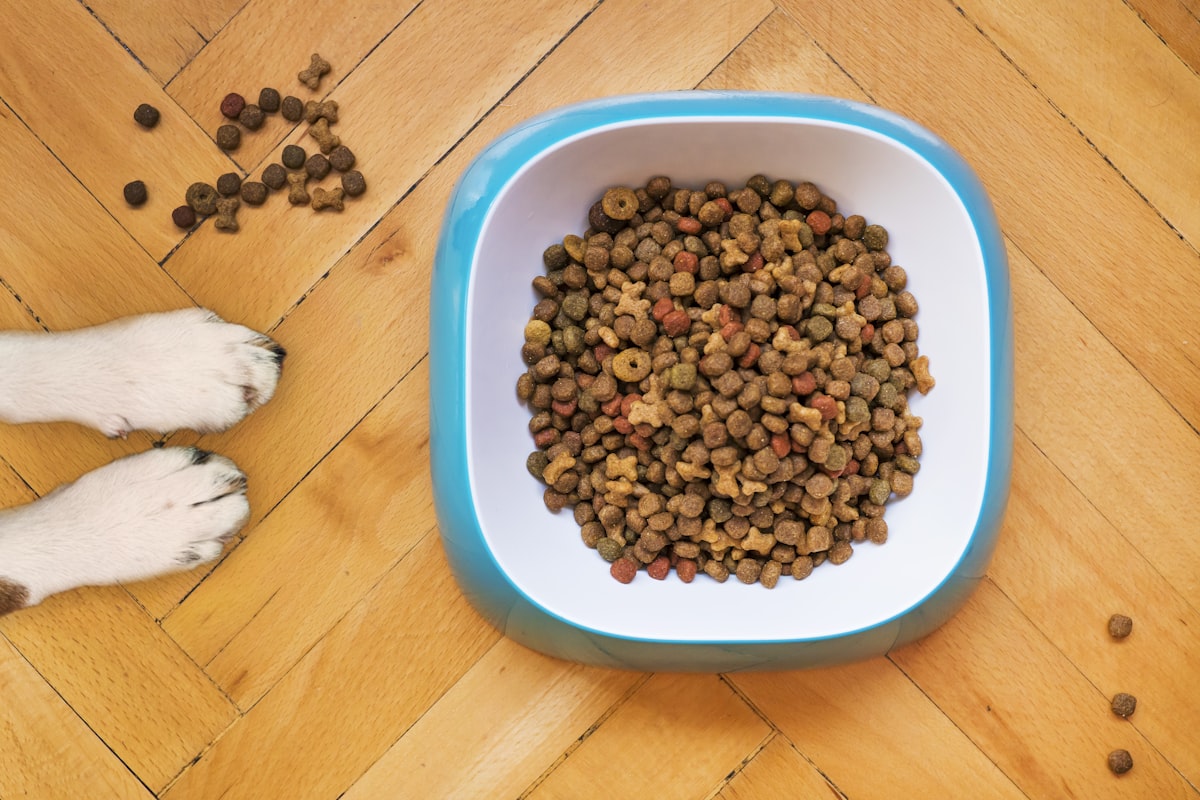
Grain-free dog food remains one of the most discussed categories in pet nutrition for 2026—and for good reason. Some dogs appear to do well on diets that skip common grains like…
Top Picks
- Dog Treat Grain Free Natural — Best Overall: Our "Best Overall" choice in the Grain-Free Dog Food category — a strong fit for dogs on grain-free diets.
- Dog Treat Raw Natural — Best High-Protein: Our "Best High-Protein" choice in the Grain-Free Dog Food category — a strong fit for dogs on grain-free diets.
- Dog Freeze Dried Liver Treats — Best Freeze-Dried: Our "Best Freeze-Dried" choice in the Grain-Free Dog Food category — a strong fit for dogs on grain-free diets.
- Stella Chewy S Freeze Dried Raw Dog Treats — Best Raw Topper: Our "Best Raw Topper" choice in the Grain-Free Dog Food category — a strong fit for dogs on grain-free diets.
- Ziwi Peak Air Dried Dog Food Treats — Best Air-Dried: Our "Best Air-Dried" choice in the Grain-Free Dog Food category — a strong fit for dogs on grain-free diets.
Grain-free dog food remains one of the most discussed categories in pet nutrition for 2026—and for good reason. Some dogs appear to do well on diets that skip common grains like wheat, corn, rice, barley, and oats, especially when those formulas are built around high-quality animal protein, digestible carbohydrates, and balanced vitamins and minerals. But “grain-free” does not automatically mean healthier, more natural, or better for every dog. The best choice depends on your dog’s age, breed, activity level, body condition, medical history, and how they respond to specific ingredients.
If your dog is already eating grain-free food—or you’re considering switching—this guide will help you understand what grain-free formulas are designed to do, when they may be useful, and what to discuss with your veterinarian before making changes. Grain-free diets can be a smart fit for some dogs, but they should still meet complete-and-balanced nutrition standards and come from brands that take formulation, testing, and ingredient sourcing seriously.
Why Choose a Grain-Free Diet for Your Dog?
Pet parents often look at grain-free dog food when their dog has digestive sensitivity, itchy skin, recurring ear issues, or suspected food intolerance. While true grain allergies are considered uncommon in dogs compared with sensitivities to certain proteins, some dogs may still do better on a formula that removes specific grains and uses alternative carbohydrates such as sweet potatoes, peas, lentils, chickpeas, tapioca, or potatoes. The goal is not simply to remove grains—it is to find a complete diet your dog can digest well and maintain long-term.
A grain-free diet may also appeal to owners who want a recipe with a higher emphasis on meat-based ingredients. Many premium grain-free foods use chicken, turkey, salmon, beef, lamb, duck, or whitefish as the first ingredient, then add vegetables, legumes, or root starches for energy and fiber. However, ingredient order alone does not tell the full nutritional story. A well-formulated grain-inclusive food can be excellent, and a poorly formulated grain-free food can still miss the mark. Look for an AAFCO nutritional adequacy statement, clear protein sources, appropriate fat levels, and a calorie density that matches your dog’s lifestyle.
| Feature | Grain-Free Diets | Grain-Inclusive Diets |
|---|---|---|
| Primary carbohydrate sources | Often use sweet potatoes, peas, lentils, chickpeas, tapioca, or potatoes instead of grains. | May include rice, oats, barley, corn, wheat, sorghum, or other grains. |
| Best fit | May suit dogs with a veterinarian-guided elimination plan or known sensitivity to a grain ingredient. | Often works well for dogs with no grain sensitivity and can provide digestible energy and fiber. |
| Nutrition quality | Quality depends on formulation, protein sources, nutrient balance, and brand testing—not the absence of grain alone. | Can be highly nutritious when made with balanced protein, fats, carbohydrates, micronutrients, and appropriate calories. |
| Veterinary considerations | Discuss with your veterinarian, especially for large breeds, dogs with heart concerns, or diets high in legumes. | Still worth reviewing with your veterinarian if your dog has allergies, chronic GI signs, weight issues, or medical conditions. |
One important point for 2026 shoppers: grain-free diets have been part of ongoing veterinary discussion around diet-associated dilated cardiomyopathy, particularly in some formulas rich in legumes or certain pulse ingredients. Research is still evolving, and not every grain-free food carries the same concern. Still, it is wise to be selective. If your dog is predisposed to heart disease, is a large or giant breed, or has been eating the same grain-free formula for years, ask your veterinarian whether diet review, taurine evaluation, or a heart screening is appropriate.
For dogs that genuinely benefit from grain-free food, the right formula may support better stool quality, fewer diet-related flare-ups, and steady energy. The safest approach is to switch gradually over 7 to 10 days, monitor appetite and stool, and keep treats consistent during the transition so you can accurately judge the food. Grain-free is not a magic label—it is one tool that can be useful when matched to the right dog.
How to Choose the Best Grain-Free Dog Food
Choosing the best grain-free dog food starts with one important question: why are you switching? Grain-free diets can be helpful for some dogs, especially those with confirmed grain sensitivities or owners looking for formulas built around meat, legumes, potatoes, or other non-grain carbohydrates. But “grain-free” does not automatically mean healthier, lower-carb, or better for every dog. The strongest choice is a complete and balanced food that fits your dog’s age, size, activity level, digestion, and veterinary history.
First, read the ingredient list with a critical eye. A high-quality grain-free recipe should name its animal protein clearly, such as chicken, salmon, turkey, beef, lamb, duck, or whitefish. Avoid judging the food by the front label alone; turn the bag over and look for identifiable ingredients rather than vague terms. Named meat meals, such as salmon meal or chicken meal, can be concentrated protein sources when they come from a clearly identified animal. Also check the carbohydrate sources. Grain-free foods often use sweet potatoes, peas, lentils, chickpeas, tapioca, or potatoes. These ingredients are not automatically bad, but they should support the formula rather than dominate it.
Next, match the protein source to your dog’s needs. Dogs with sensitive stomachs may do better on simpler recipes with one main animal protein. Active dogs often need higher protein and fat levels to support energy, while less active or overweight dogs may need a controlled-calorie formula. If your dog has chronic itching, recurring ear issues, vomiting, diarrhea, or suspected food allergies, consult your veterinarian before switching foods, because an elimination diet may require a very specific prescription or limited-ingredient approach.
| Protein Source | Potential Benefits | Best Fit |
|---|---|---|
| Chicken or Turkey | Common, digestible poultry proteins that are often rich in essential amino acids and widely available in puppy, adult, and senior formulas. | Dogs without poultry sensitivities; owners who want an accessible everyday formula. |
| Salmon or Whitefish | Naturally provides omega fatty acids, which may help support skin and coat health as part of a balanced diet. | Dogs with dull coats, picky appetites, or those needing an alternative to poultry or red meat. |
| Lamb | A flavorful red meat option that can work well in limited-ingredient or sensitive-skin formulas. | Dogs that do not tolerate chicken well, or those needing a moderately rich protein source. |
| Beef | Highly palatable and protein-dense, often appealing to dogs that lose interest in milder recipes. | Healthy adult dogs with strong appetites and no known beef sensitivity. |
| Duck or Venison | Less common proteins that may be useful in carefully selected limited-ingredient diets. | Dogs with suspected sensitivities, ideally under veterinary guidance. |
Life stage is just as important as ingredients. Puppies need food labeled for growth or “all life stages,” with appropriate calories, minerals, and DHA support. Large-breed puppies have different calcium and phosphorus needs, so choose a formula specifically suitable for large-breed growth if applicable. Adult dogs generally need maintenance nutrition, while senior dogs may benefit from recipes with controlled calories, quality protein, and joint-supporting nutrients, depending on their health status.
Finally, look for an AAFCO nutritional adequacy statement on the label. This tells you whether the food is formulated for growth, adult maintenance, all life stages, or another specific purpose. Transition slowly over 7 to 10 days by mixing increasing amounts of the new food with the old food, and monitor stool quality, appetite, coat condition, and energy. If your dog has heart disease, a history of diet-related concerns, or you are considering a legume-heavy grain-free food, consult your veterinarian before making the switch.
Key Features to Compare in Grain-Free Options
When you compare grain-free dog food in 2026, do not stop at the words “grain-free” on the front of the bag. The better question is what the formula uses instead, how it is processed, and whether the texture, nutrient profile, and feeding format fit your dog’s age, size, activity level, and digestion. A grain-free recipe may rely on peas, lentils, chickpeas, potatoes, sweet potatoes, tapioca, pumpkin, or other carbohydrate sources. Those ingredients are not automatically good or bad, but they should be evaluated in the context of the whole diet, especially if your veterinarian has discussed heart health, food sensitivities, or weight management with you.
Start with the protein source and guaranteed analysis. Look for a named animal protein such as chicken, turkey, salmon, beef, lamb, duck, or whitefish rather than vague wording. Then compare protein, fat, fiber, and moisture. Higher-protein foods can suit many active adult dogs, while lower-fat formulas may be more appropriate for dogs who gain weight easily, depending on your veterinarian’s guidance. Fiber matters too: some grain-free foods are rich in legumes or root vegetables, which can change stool quality, gas, and fullness.
Kibble size is another practical feature that owners often overlook. Toy breeds and senior dogs may struggle with oversized pieces, while large dogs that gulp food can benefit from larger kibble or textured shapes that encourage chewing. If your dog has dental disease, missing teeth, or jaw discomfort, consult your veterinarian before switching to a very hard kibble. Some brands offer small-breed or large-breed versions of the same grain-free line, and that difference can affect not only bite size but also calories per cup and mineral balance.
Moisture content also changes the feeding experience. Traditional dry kibble is usually low in moisture, which makes it convenient and shelf-stable, but dogs who do not drink much water may prefer a hydrated topper or a mixed feeding routine. Freeze-dried and air-dried foods are often more concentrated, so portion sizes can look surprisingly small. Always follow the feeding guide as a starting point, then adjust based on body condition, stool quality, and your veterinarian’s advice.
| Format | Characteristics | Best Fit |
|---|---|---|
| Traditional Kibble | Extruded and baked, shelf-stable, widely available, and often the most budget-friendly option. | Owners looking for convenience, value, and a familiar feeding routine. |
| Freeze-Dried | Moisture is removed at low temperatures to preserve raw ingredients; often requires rehydration before feeding. | Dogs that prefer raw-style nutrition, picky eaters, or owners who want a high-value topper. |
| Air-Dried | Gently dried to remove moisture while maintaining a jerky-like texture; highly concentrated and calorie-dense. | Dogs that enjoy a softer, meatier texture, or owners looking for a nutrient-dense alternative to kibble. |
Finally, consider the brand’s reputation and transparency. Look for companies that employ veterinary nutritionists, conduct feeding trials, and have strict quality control measures. A grain-free label is not a guarantee of quality; the formulation behind the label is what truly matters for your dog’s long-term health.
Common Mistakes When Switching to Grain-Free
Switching a dog to a grain-free diet is a common decision, but it is also one where pet parents frequently make well-intentioned mistakes. The appeal of a “natural” or “ancestral” diet can sometimes overshadow the practical realities of canine digestion and nutrition. If you are considering a grain-free formula, avoiding these common pitfalls can help ensure the transition is safe, comfortable, and genuinely beneficial for your dog.
The most frequent mistake is transitioning too quickly. A dog’s digestive system needs time to adjust to new protein sources, fat levels, and carbohydrate types. Switching abruptly from a grain-inclusive kibble to a rich, grain-free formula often leads to vomiting, diarrhea, or excessive gas. A gradual transition over 7 to 10 days—mixing increasing amounts of the new food with decreasing amounts of the old food—gives the gut microbiome time to adapt. If your dog has a history of sensitive digestion, you may need to extend this transition period even further.
Another common error is ignoring the legume content. Many grain-free foods replace grains with peas, lentils, chickpeas, or beans. While these ingredients provide protein and fiber, diets heavily reliant on them have been part of ongoing veterinary discussions regarding diet-associated dilated cardiomyopathy (DCM). It is important to read the ingredient list carefully. If legumes appear multiple times in the top ingredients (a practice known as ingredient splitting), the diet may be more plant-based than the meat-first marketing suggests. Always discuss legume-heavy diets with your veterinarian, especially if your dog is a large breed or predisposed to heart issues.
Finally, many owners switch to grain-free food to solve suspected allergies without consulting a vet. True grain allergies in dogs are relatively rare; most food allergies are triggered by common animal proteins like beef, dairy, or chicken. If your dog is itching, losing hair, or experiencing chronic ear infections, switching to a grain-free chicken formula will not help if chicken is the actual allergen. A veterinarian can guide you through a proper elimination diet to identify the true cause of the symptoms.
| Common Mistake | Why It Happens | How to Avoid It |
|---|---|---|
| Transitioning too quickly | Owners run out of the old food or want immediate results from the new diet. | Plan ahead and mix the old and new food gradually over 7 to 10 days. |
| Ignoring legume content | Assuming all grain-free foods are meat-heavy, without reading the ingredient list. | Check the label for excessive peas, lentils, or chickpeas, and discuss with your vet. |
| Assuming grain-free cures allergies | Misunderstanding that protein sources (like chicken or beef) are more common allergens than grains. | Consult a veterinarian for a proper diagnosis and elimination diet if allergies are suspected. |
| Overfeeding | Grain-free foods can be more calorie-dense, but owners feed the same volume as the old food. | Check the calorie count per cup and adjust portions based on your dog's body condition. |
Overfeeding is another subtle but common issue. Many premium grain-free foods are highly concentrated and calorie-dense. If you feed the exact same volume of a new, rich grain-free kibble as you did a lower-calorie grain-inclusive food, your dog may quickly gain unwanted weight. Always check the feeding guidelines on the new bag, measure portions accurately, and adjust based on your dog’s body condition score and activity level.
Budgeting for Grain-Free Dog Food: How Much to Spend
When considering a switch to grain-free dog food, budgeting is a practical and necessary step. Grain-free diets often come with a higher price tag than traditional grain-inclusive kibbles, primarily due to the cost of the ingredients used to replace grains. Understanding what drives these costs can help you make an informed decision that balances your dog’s nutritional needs with your household budget.
The primary cost factor in grain-free food is the protein source. Formulas that use high percentages of named meats, poultry, or fish—especially novel proteins like venison, duck, or salmon—will naturally cost more to produce than those relying heavily on plant-based proteins or less expensive meat meals. Additionally, the carbohydrates used in grain-free diets, such as sweet potatoes, tapioca, or specialized legumes, are often more expensive to source and process than common grains like corn, wheat, or sorghum. The manufacturing process itself can also influence the price; freeze-dried or air-dried grain-free options require specialized equipment and longer production times, making them significantly more expensive per ounce than extruded kibble.
It is also important to consider the long-term value of the food. A premium grain-free diet may have a higher upfront cost per bag, but if it is highly digestible and calorie-dense, you may actually feed less volume per day compared to a cheaper, filler-heavy alternative. This means a more expensive bag might last longer, narrowing the actual cost-per-day gap. However, price alone does not guarantee quality. A mid-range grain-free food from a reputable company that conducts feeding trials and employs veterinary nutritionists may offer better overall value and safety than a boutique brand with a premium price tag but less rigorous testing.
| Budget Tier | Typical Characteristics | Best For |
|---|---|---|
| Budget-Friendly | Often relies on common proteins (chicken, beef) and higher amounts of legumes (peas, lentils) or potatoes. May use meat meals as primary protein sources. | Owners needing an accessible grain-free option for dogs without complex sensitivities. |
| Mid-Range | Better balance of fresh meat and meat meals. May include specific carbohydrate sources like sweet potato and added probiotics or joint supplements. | Dogs needing reliable, quality nutrition with clear ingredient sourcing without the highest premium markup. |
| Premium | High fresh meat content, novel proteins (venison, duck), minimal legumes, and often specialized formats like freeze-dried raw coatings or air-dried pieces. | Dogs with specific dietary needs, picky eaters, or owners prioritizing high-meat, minimally processed diets. |
When budgeting, do not forget to factor in the cost of treats, toppers, and potential veterinary visits. If your dog requires a specific grain-free diet due to medical issues, the cost of the food is an investment in their health that may reduce veterinary bills down the line. Conversely, if you are switching to a boutique grain-free diet simply for the trend, you might be spending more without a clear medical benefit. Always calculate the cost per day or cost per meal based on the feeding guidelines for your dog's ideal weight, rather than just looking at the price per bag.
Comparison of Our Top Picks
Finding the right grain-free option requires looking closely at how different formulas are constructed and what specific benefits they offer. Our top picks for 2026 highlight a range of approaches, from traditional kibble to specialized air-dried and freeze-dried formats. Each of these selections has been chosen for its ingredient profile, nutritional focus, and suitability for different types of dogs on a grain-free diet.
For a well-rounded approach, the Dog Treat Grain Free Natural earns our Best Overall spot. This option provides a balanced nutritional profile that suits a wide variety of adult dogs, focusing on digestible ingredients without relying too heavily on complex carbohydrate fillers. If your dog requires a more robust protein profile to support an active lifestyle or maintain lean muscle mass, the Dog Treat Raw Natural stands out as the Best High-Protein choice, delivering concentrated, meat-first nutrition.
For pet parents interested in alternative feeding formats, freeze-dried and air-dried options offer unique benefits. The Dog Freeze Dried Liver Treats take the Best Freeze-Dried category, offering a highly palatable, single-ingredient style option that works exceptionally well for training or as a high-value reward. If you are looking to enhance your dog's current meal rather than replace it entirely, Stella & Chewy's Freeze-Dried Raw Dog Treats serve as the Best Raw Topper, adding a boost of flavor and raw-inspired nutrition to any bowl. Finally, for a nutrient-dense, jerky-like texture that many dogs find irresistible, the Ziwi Peak Air-Dried Dog Food Treats are our Best Air-Dried selection, providing a highly concentrated, meat-rich formula that can be used as a full meal or a premium treat.
| Product Name | Award | Best For |
|---|---|---|
| Dog Treat Grain Free Natural | Best Overall | Dogs needing a balanced, everyday grain-free diet with digestible ingredients. |
| Dog Treat Raw Natural | Best High-Protein | Active dogs or those requiring higher protein levels to maintain muscle mass. |
| Dog Freeze Dried Liver Treats | Best Freeze-Dried | Picky eaters, training rewards, or dogs needing a simple, highly palatable option. |
| Stella & Chewy's Freeze-Dried Raw Dog Treats | Best Raw Topper | Enhancing the flavor and nutritional value of a standard kibble meal. |
| Ziwi Peak Air-Dried Dog Food Treats | Best Air-Dried | Dogs that prefer a softer, jerky-like texture and owners seeking nutrient-dense, meat-heavy formulas. |
When selecting from these top picks, consider how the food will fit into your daily routine. Air-dried and freeze-dried options are incredibly convenient for travel and storage, but they may require a different budgeting approach compared to traditional kibble. Always introduce any new food or high-value topper gradually to avoid upsetting your dog's stomach, and consult your veterinarian if you are making a significant change to their primary diet.
Care, Usage Tips, and When to Consult a Vet
Successfully managing a grain-free diet involves more than just buying the right bag of food. Proper storage, mindful feeding practices, and close observation of your dog’s health are essential to ensure they are thriving on their new regimen. Grain-free foods, particularly those high in fresh meats, specialized fats, or alternative formats like freeze-dried or air-dried, require specific care to maintain their nutritional integrity and safety.
Proper storage is the first step. Dry grain-free kibble should be kept in its original bag, placed inside an airtight container, and stored in a cool, dry place. The original packaging is designed to prevent fat oxidation, which can cause the food to spoil and lose its nutritional value. If you are using freeze-dried or air-dried options, ensure the bags are tightly sealed after every use to prevent moisture from entering, which can lead to mold or bacterial growth. Always wash your dog’s food and water bowls daily, as residual fats from premium diets can quickly become rancid and cause digestive upset.
Hydration is another critical factor, especially if you are feeding a dry grain-free kibble or an air-dried formula. These diets are naturally low in moisture, so your dog must have constant access to fresh, clean water. If your dog is a reluctant drinker, consider adding warm water or a pet-safe bone broth to their meals, or incorporating a high-quality wet food topper to increase their overall fluid intake. Monitoring your dog’s hydration and stool quality will give you immediate feedback on how well they are processing the diet.
| Observation | Signs of a Successful Transition | Signs to Consult a Vet |
|---|---|---|
| Stool Quality | Firm, consistent, and easy to pick up; regular bowel movements. | Persistent diarrhea, unusually loose stools, mucus, or blood in the stool. |
| Skin and Coat | Shiny coat, minimal shedding, and healthy, non-irritated skin. | Increased scratching, redness, hot spots, or chronic ear infections. |
| Energy and Weight | Steady energy levels; maintaining an ideal body condition score. | Lethargy, sudden weight loss or gain, or reluctance to exercise. |
| Appetite | Eager to eat at meal times; finishes portions comfortably. | Refusal to eat for more than 24 hours, vomiting after meals, or excessive gas. |
While many dogs thrive on grain-free diets, it is vital to know when to seek professional advice. If your dog experiences persistent gastrointestinal distress, sudden weight changes, or signs of lethargy during or after the transition, do not wait to see if it resolves on its own. Furthermore, given the ongoing veterinary discussions regarding certain grain-free diets and heart health, you should consult your veterinarian if your dog is a large breed, has a known heart murmur, or shows signs of exercise intolerance or coughing. Your vet can help determine if a specific grain-free formula is appropriate or if an alternative diet is safer for your dog’s unique health profile.
Frequently Asked Questions
Are grain-free dog foods better for dogs with allergies?
Grain-free dog food may help if your dog has a confirmed sensitivity to grains like wheat or corn, but true grain allergies are less common than protein allergies. Many itchy or gassy dogs react to chicken, beef, dairy, or environmental allergens instead, so it’s best to work with your vet before switching foods.
What ingredients should I look for in the best grain-free dog food?
Look for a named animal protein as the first ingredient, such as chicken, salmon, turkey, lamb, or beef. A good grain-free formula should also include balanced fats, digestible carbohydrates like sweet potatoes or peas, and meet AAFCO nutritional standards for your dog’s life stage.
Is grain-free dog food linked to heart disease?
The FDA has investigated a possible link between some grain-free diets and canine dilated cardiomyopathy, especially formulas high in peas, lentils, chickpeas, or potatoes. The issue is complex and not limited to grain-free foods, so choose brands with veterinary nutrition expertise and ask your vet if your dog is at higher risk.
Can puppies eat grain-free dog food?
Puppies can eat grain-free food if the recipe is specifically labeled for growth or for all life stages and meets AAFCO standards. Large-breed puppies need carefully controlled calcium and phosphorus levels, so choose a formula designed for large-breed growth if applicable.
How do I switch my dog to grain-free food safely?
Transition gradually over 7 to 10 days by mixing increasing amounts of the new grain-free food with your dog’s current food. Watch for vomiting, diarrhea, excessive gas, itching, or changes in appetite, and slow the transition or contact your vet if symptoms persist.