Best Food for Persian Cats: Coat & Digestion Picks for 2026
By Michelle — Michelle's Pet Shop. Published May 21, 2026. 17 min read.
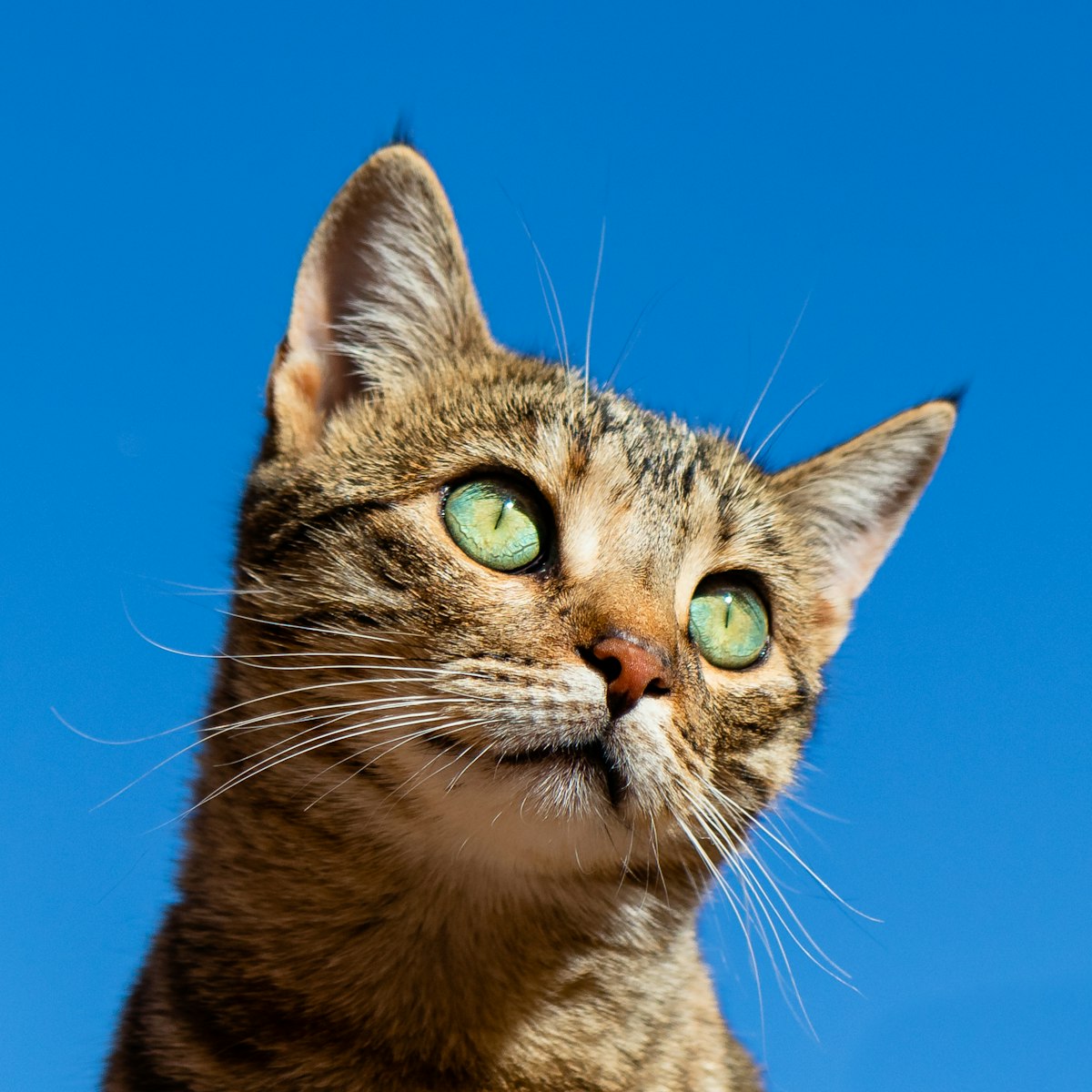
Discover the best food for Persian Cats in our comprehensive 2026 buying guide. We review top picks for coat health, digestion, and flat-faced eating habits to help your feline thrive.
Top Picks
- Fancy Feast Wet Cat Food Variety — Best Wet Food: Offers exceptional moisture content and a variety of flavors that appeal to the finicky palate of Persian cats, earning it our Best Wet Food award.
- Sheba Perfect Portions Wet Cat Food — Best Portion Control: Provides perfectly sized servings that ensure freshness at every meal while helping to manage the weight of less active Persian cats, making it the Best Portion Control option.
- Cat Food Wet Pate Chicken — Best Pate: Features a smooth, easy-to-eat texture that is ideal for the flat-faced structure of Persian cats, securing its spot as the Best Pate.
- Temptations Cat Treats Variety — Best Treat: Delivers a satisfying crunch and irresistible flavors in a low-calorie format, making it the Best Treat for rewarding your Persian cat without overfeeding.
- Greenies Dental Cat Treats — Best Dental Treat: Specially formulated to reduce tartar buildup and promote oral hygiene, this is the Best Dental Treat for maintaining your Persian cat's dental health.
Best Food for Persian Cats: Coat & Digestion Picks for 2026
Persian cats are renowned for their luxurious, long coats and affectionate nature, making them beloved companions in many households. However, their unique physical characteristics come with specific nutritional needs that can impact their health, coat quality, and digestion. Choosing the right food for your Persian cat is essential to keep them looking their best and feeling comfortable. In 2026, advancements in pet nutrition have led to new formulations that cater specifically to the delicate digestive systems and coat maintenance of Persian cats.
This comprehensive buying guide will walk you through the best food options tailored for Persian cats, focusing on ingredients and nutrients that promote a silky, healthy coat and support optimal digestion. Understanding the dietary needs of Persian cats can be challenging due to their predisposition to hairballs and sensitive stomachs. We will cover everything from protein sources and omega fatty acids to fiber content and digestive enzymes, helping you make informed choices that suit your cat's specific requirements.
Whether you are seeking dry kibble, wet food, or specialized treats, this guide also highlights top brands and formulations available in 2026 that prioritize both palatability and health benefits. For convenient shopping, explore our curated selection in the Cat Food & Treats category, where you will find handpicked products suited to Persian cats’ unique dietary needs.
Why Do Persian Cats Need Specialized Diets?
Persian cats are beloved for their luxurious coats, distinctive flat faces, and gentle personalities. However, these charming features come with specific health and dietary considerations that set Persians apart from other breeds. Their unique brachycephalic (flat-faced) structure, long flowing fur, tendency toward hairball formation, and sensitive digestive systems all contribute to the necessity for a carefully tailored diet. Understanding these factors can help Persian cat owners provide optimal nutrition that supports their pet’s health and well-being.
One of the most noticeable traits of Persian cats is their brachycephalic facial structure. This flattened face and shortened muzzle can affect their ability to pick up and chew food as easily as other cats. Persians often prefer softer foods or smaller kibble sizes that are easier to grasp and chew. Diets formulated with this in mind can reduce feeding frustration and ensure they receive adequate nutrition without discomfort. Additionally, this facial structure can predispose Persians to dental issues such as overcrowding and periodontal disease, making dental-friendly diets or dry kibble that helps reduce plaque build-up particularly beneficial.
Another defining feature of Persians is their long, thick coat, which, while stunning, requires specialized nutritional support. Their fur demands high-quality protein and adequate fatty acids like omega-3 and omega-6 to maintain shine, strength, and reduce shedding. Nutrients such as biotin, zinc, and vitamins A and E are also important to promote skin health and prevent dryness or irritation under the dense fur. A diet rich in these components helps Persians maintain their signature silky coats and reduces grooming-related stress.
Hairball formation is a common challenge for Persian cats. Their extensive grooming habits combined with the length of their fur cause them to ingest more hair than other breeds, leading to frequent hairballs. Specialized diets containing increased fiber content or added lubricants like psyllium husk help facilitate hair passage through the digestive tract. This reduces vomiting and discomfort associated with hairballs, a frequent concern for Persian owners.
Lastly, Persian cats typically have sensitive digestive systems requiring diets that are gentle yet nutritionally complete. Some Persians may experience food sensitivities or allergies, so diets featuring limited ingredients, high digestibility, or hypoallergenic formulations can be advantageous. Avoiding common irritants such as artificial colors, flavors, or excessive fillers helps minimize gastrointestinal upset and supports optimal nutrient absorption.
| Persian Cat Trait | Dietary Need |
|---|---|
| Brachycephalic facial structure (flat face) | Soft or small kibble for easy chewing; dental-friendly formulations |
| Long, thick coat | High-quality protein; omega fatty acids; skin-supporting vitamins and minerals |
| Prone to hairballs | Increased dietary fiber; hairball control ingredients to aid hair passage |
| Sensitive digestion | Highly digestible, limited ingredient or hypoallergenic diets; no artificial additives |
What Should You Look For in Persian Cat Food?
Selecting the right food for your Persian cat is essential to maintaining its health, especially considering the breed's unique needs. Persian cats are known for their luxurious long coats, which require specific nutrients to stay shiny and tangle-free. Additionally, their predisposition to hairballs and particular dental structure means that the kibble's texture and shape are more than just aesthetic considerations—they impact your cat's well-being. Understanding these factors will help you choose a food that supports your Persian cat’s overall health.
First and foremost, high-quality protein sources are crucial. Persian cats thrive on diets rich in animal-based proteins such as chicken, turkey, or fish. These proteins provide essential amino acids necessary for muscle maintenance, immune function, and overall vitality. Avoid foods with vague protein sources like “meat by-products” or excessive plant proteins, as Persians benefit more from easily digestible animal proteins to meet their metabolic demands.
Omega fatty acids, particularly omega-3 and omega-6, play a vital role in maintaining the health and appearance of your Persian’s coat and skin. These fatty acids help reduce inflammation, promote skin hydration, and keep the fur glossy and soft. Ingredients like fish oil, flaxseed, and certain algae are excellent sources of these nutrients. Regular intake supports a healthy, vibrant coat and may reduce excessive shedding and dandruff, common issues in long-haired cats.
Fiber is another essential component, especially for managing hairballs. Due to their long fur and frequent grooming habits, Persian cats are prone to ingesting hair, which can accumulate in their digestive tract. A diet with adequate fiber content helps move hair through the digestive system, reducing hairball formation and related discomfort. Ingredients like beet pulp, psyllium husk, and pumpkin can provide the soluble and insoluble fiber needed for healthy digestion.
Finally, consider the kibble shape and texture. Persian cats often have brachycephalic (flat-faced) features, making it harder for them to grasp and chew certain shapes of kibble. Smaller, flatter, or uniquely shaped kibble designed specifically for flat-faced breeds can make eating easier and more enjoyable. Moreover, the texture should encourage gentle chewing without being too hard, which can protect dental health and reduce the risk of oral issues.
| Key Nutrient | Primary Sources | Benefits for Persian Cats |
|---|---|---|
| High-Quality Protein | Chicken, Turkey, Fish, Eggs | Supports muscle maintenance, immune health, and energy |
| Omega-3 & Omega-6 Fatty Acids | Fish Oil, Flaxseed, Algae | Promotes healthy skin, reduces inflammation, enhances coat shine |
| Dietary Fiber | Beet Pulp, Psyllium Husk, Pumpkin | Aids digestion, reduces hairball formation |
| Kibble Shape & Texture | Small, Flat, or Breed-Specific Shapes | Facilitates easier chewing and promotes dental health |
Best Wet Food for Persian Cats: Fancy Feast Wet Cat Food Variety
When selecting the best wet food for Persian cats, factors such as moisture content, palatability, and variety are paramount. Persian cats, known for their long, luxurious coats and somewhat sensitive digestive systems, benefit greatly from high-quality wet food that supports hydration and provides enticing flavors to encourage consistent eating. Our top pick for this category is the Fancy Feast Wet Cat Food Variety, which earned the "Best Wet Food" award for Persian cats due to its balanced formulation and appealing selection of flavors.
Firstly, moisture content plays a crucial role in maintaining urinary tract health and overall hydration for Persian cats, who may be less inclined to drink sufficient water independently. The Fancy Feast Wet Cat Food Variety contains approximately 78% moisture, closely mimicking the natural water intake of a feline’s ancestral diet. This high moisture level supports kidney function and helps reduce the risk of urinary tract infections, a common concern in Persian cats.
Palatability is another critical consideration. Persian cats can be selective eaters, often preferring foods with a rich aroma and smooth texture. Fancy Feast excels here by offering a silky pate and tender morsels in gravy that appeal to the delicate taste buds of Persian cats. The variety pack includes multiple flavors such as chicken, turkey, and seafood, ensuring your cat experiences different tastes and textures to prevent boredom and promote consistent mealtime enthusiasm.
In addition to flavor variety, the formula is crafted to provide essential nutrients, including taurine for heart health and omega fatty acids that support the Persian breed’s characteristic thick coat and skin health. The inclusion of high-quality proteins and balanced vitamins and minerals ensures your cat receives comprehensive nutrition in every serving.
| Criteria | Fancy Feast Wet Cat Food Variety | Typical Canned Cat Food |
|---|---|---|
| Moisture Content | ~78% | ~75% |
| Flavor Variety | Multiple flavors including poultry & seafood | Limited flavors, often single protein |
| Texture | Smooth pate and tender morsels | Mostly pate or chunks only |
| Key Nutrients | Taurine, Omega-3 & 6 fatty acids | Varies, often less balanced |
| Palatability | Highly palatable, encourages eating | Moderate |
Best Portion Control: Sheba Perfect Portions Wet Cat Food
Persian cats, with their luxurious coats and distinctive flat faces, require a diet that supports their unique needs, especially when it comes to maintaining a healthy weight. Overfeeding can lead to obesity, which exacerbates health issues such as joint problems and diabetes. That’s why Sheba Perfect Portions Wet Cat Food stands out as the best choice for portion control, earning it the "Best Portion Control" award for Persian cats at Michelle's Pet Shop.
One of the key reasons Sheba Perfect Portions excels is its precise, pre-measured packaging. Each tray contains a single-serving portion, carefully designed to meet the caloric and nutritional needs of an average-sized Persian cat. This eliminates the guesswork often involved in feeding, helping pet parents avoid overfeeding and promoting ideal weight management. Because Persians tend to be less active indoors, controlling calorie intake is vital to prevent weight gain without compromising their energy and overall health.
Another advantage is freshness. Sheba’s packaging is designed to keep the food sealed and fresh until opened, ensuring that every serving is as appetizing and nutritious as the first. This is particularly important for Persians, who can be sensitive to changes in food texture or smell. The wet food’s moisture content also supports hydration, which benefits the urinary tract health—a common concern for this breed.
Furthermore, the convenience of Sheba Perfect Portions cannot be overstated. The easy-to-open trays mean no messy cans or leftover food to store in the refrigerator, reducing waste and ensuring a clean feeding experience. The high-quality ingredients, including real meat, provide the essential proteins and amino acids necessary for maintaining the Persian cat’s signature coat and overall vitality.
| Feature | Benefit for Persian Cats |
|---|---|
| Pre-measured Portions | Prevents overfeeding and supports healthy weight management. |
| Sealed Freshness | Ensures high palatability for sensitive eaters. |
| High Moisture Content | Promotes hydration and supports urinary tract health. |
| Convenient Packaging | Reduces waste and mess, offering a clean feeding experience. |
Best Pate: Cat Food Wet Pate Chicken
When it comes to feeding Persian cats, texture is just as important as taste and nutrition. Their unique brachycephalic (flat-faced) structure can make picking up and chewing certain types of food challenging. This is why Cat Food Wet Pate Chicken has earned our "Best Pate" award. The smooth, uniform consistency of pate is incredibly easy for Persian cats to lap up, reducing the frustration and mess often associated with chunks in gravy or dry kibble.
Beyond its ideal texture, this chicken pate is packed with high-quality protein, which is essential for maintaining the strong muscles and overall vitality of your Persian cat. Chicken is a highly digestible protein source, making it gentle on the sensitive stomachs that many Persians possess. This ensures that your cat absorbs the maximum amount of nutrients from every meal without experiencing gastrointestinal discomfort.
Additionally, the high moisture content in wet pate is crucial for Persian cats. They are notoriously poor drinkers, and adequate hydration is vital for preventing urinary tract issues and supporting kidney function. The rich moisture in this pate helps keep your cat hydrated while also contributing to the health and shine of their luxurious coat, a hallmark of the breed.
This pate also avoids unnecessary fillers and artificial additives, focusing instead on wholesome ingredients that support your cat's health. The balanced formulation includes essential vitamins and minerals, ensuring a complete diet that caters to the specific needs of Persian cats, from their delicate digestion to their beautiful fur.
| Feature | Pate | Chunks in Gravy |
|---|---|---|
| Ease of Eating for Flat Faces | High (smooth texture is easy to lap up) | Moderate to Low (chunks can be hard to grasp) |
| Digestibility | High (uniform consistency aids digestion) | Moderate (depends on chunk size and ingredients) |
| Moisture Content | High (excellent for hydration) | High (gravy provides good moisture) |
| Messiness | Low (stays together well) | High (gravy can spill and chunks can be dropped) |
Best Treat: Temptations Cat Treats Variety
When it comes to rewarding your Persian cat, finding a treat that balances irresistible flavor with nutritional sensibility is key. The Temptations Cat Treats Variety has earned our "Best Treat" award for Persian cats because it perfectly hits this mark. These treats offer a satisfying crunch on the outside with a soft, savory center, providing a texture combination that cats find highly appealing. For Persian cats, who can sometimes be finicky eaters, the variety of flavors ensures that treat time remains exciting and engaging.
One of the standout features of Temptations Cat Treats is their low-calorie content. Each treat contains under two calories, making them an excellent choice for Persian cats, who are often less active and prone to weight gain. By offering a low-calorie option, you can reward your cat frequently during training or bonding sessions without the worry of overfeeding. This is particularly important for maintaining the overall health and mobility of your Persian cat.
The crunchiness of these treats also serves a functional purpose. While not a substitute for dedicated dental care, the abrasive action of chewing the crunchy exterior can help reduce tartar buildup on your cat's teeth. Given that Persian cats can be susceptible to dental issues due to their brachycephalic (flat-faced) jaw structure, any additional support for oral hygiene is a welcome benefit.
Furthermore, the variety pack ensures that your cat won't tire of a single flavor. With options ranging from chicken to seafood, you can rotate the treats to keep your Persian cat interested. This variety is not only pleasing to their palate but also helps in preventing flavor fatigue, ensuring that the treats remain a high-value reward.
| Treat Feature | Benefit for Persian Cats |
|---|---|
| Low Calorie (Under 2 calories/treat) | Helps prevent weight gain in less active cats. |
| Crunchy Exterior | Aids in reducing tartar buildup for better dental health. |
| Soft Center | Provides an appealing texture that finicky eaters love. |
| Flavor Variety | Prevents flavor fatigue and keeps treat time exciting. |
Best Dental Treat: Greenies Dental Cat Treats
Maintaining the dental health of Persian cats is crucial, especially given their unique brachycephalic (flat-faced) jaw structure, which can predispose them to dental issues such as overcrowding and tartar buildup. This is why Greenies Dental Cat Treats have earned our "Best Dental Treat" award. These treats are specifically formulated to clean teeth, reduce tartar, and freshen breath, making them an essential addition to your Persian cat's daily routine.
The unique shape and crunchy texture of Greenies are designed to act like a little toothbrush. As your Persian cat chews, the treat helps scrape away plaque and tartar from the tooth surface. This mechanical cleaning action is particularly beneficial for Persians, as their crowded teeth can trap food particles and bacteria more easily than other breeds. Regular use of these treats can significantly improve oral hygiene and reduce the risk of periodontal disease.
In addition to their dental benefits, Greenies are nutritionally balanced and made with natural ingredients, plus added vitamins, minerals, and other nutrients. They are low in calories, which is important for Persian cats who may have a more sedentary lifestyle and are prone to weight gain. This means you can reward your cat and support their dental health without compromising their overall diet.
The kibble size of Greenies is also well-suited for Persian cats. While their flat faces can sometimes make picking up food challenging, the size and shape of these treats are manageable for them to grasp and chew effectively. This ensures that they get the full dental benefit of the treat rather than swallowing it whole.
| Dental Health Checklist | How Greenies Help |
|---|---|
| Reduces Tartar Buildup | Crunchy texture scrapes away plaque and tartar during chewing. |
| Freshens Breath | Cleans teeth to eliminate odor-causing bacteria. |
| Nutritionally Balanced | Made with natural ingredients, vitamins, and minerals; low in calories. |
| Appropriate Kibble Size | Designed to be easily grasped and chewed by flat-faced breeds. |
How Much and How Often Should You Feed a Persian Cat?
Establishing a proper feeding routine is essential for maintaining the health and vitality of your Persian cat. Due to their relatively sedentary nature and thick, luxurious coats, Persian cats have specific caloric needs that must be carefully managed to prevent obesity and ensure they receive adequate nutrition. Understanding how much and how often to feed your Persian cat will help you keep them at an ideal weight while supporting their overall well-being.
For adult Persian cats, a standard feeding schedule typically involves two meals per day—one in the morning and one in the evening. This routine aligns with their natural digestive rhythms and helps prevent the overeating that can occur with free-feeding (leaving food out all day). Kittens, on the other hand, require more frequent meals to support their rapid growth and high energy levels. A Persian kitten should generally be fed three to four times a day until they reach about six months of age, after which you can gradually transition them to an adult feeding schedule.
Portion sizes should be determined based on your cat's weight, age, and activity level. On average, an adult Persian cat weighing between 7 and 12 pounds will need approximately 1/4 to 1/2 cup of dry food or 3 to 5 ounces of wet food per day, divided into two meals. However, these are general guidelines, and it is crucial to adjust the portions based on your cat's specific needs. Overfeeding can quickly lead to obesity, which exacerbates health issues such as joint problems and diabetes, particularly in a less active breed like the Persian.
To ensure your Persian cat is receiving the correct amount of food, it is highly recommended to consult your veterinarian. They can provide personalized feeding advice based on your cat's health status, body condition score, and specific dietary requirements. Regular weigh-ins and body condition assessments will help you monitor their progress and make necessary adjustments to their diet.
| Age Group | Feeding Frequency | General Portion Size (Daily) |
|---|---|---|
| Kittens (up to 6 months) | 3-4 times per day | Follow kitten food package guidelines based on weight |
| Adults (1-7 years) | 2 times per day | 1/4 to 1/2 cup dry OR 3 to 5 oz wet |
| Seniors (7+ years) | 2 times per day | Adjust based on activity level and vet advice |
Putting It All Together
Caring for a Persian cat is a rewarding experience that requires attention to their unique physical and dietary needs. From their luxurious, long coats to their distinctive flat faces and sensitive digestive systems, every aspect of a Persian cat's health is influenced by the food they eat. By selecting the right diet, you can ensure your feline companion remains healthy, comfortable, and vibrant throughout their life.
In this guide, we have explored the essential components of a Persian cat's diet, emphasizing the importance of high-quality proteins, omega fatty acids for coat health, and adequate fiber to manage hairballs. We also highlighted the significance of kibble shape and texture, which must accommodate their brachycephalic jaw structure. Our top product picks for 2026, including the best wet food, portion control options, pates, and treats, have been carefully selected to meet these specific requirements, offering both nutritional value and high palatability.
Remember that establishing a consistent feeding schedule and monitoring portion sizes are critical steps in preventing obesity and maintaining your Persian cat's overall well-being. Always consult your veterinarian to tailor these recommendations to your cat's individual health profile. For a comprehensive selection of the best products tailored to your Persian cat's needs, be sure to visit our Cat Food & Treats category.
Frequently Asked Questions
What is the best food for a Persian cat?
The best food for a Persian cat is one that addresses their unique needs, such as high-quality protein for muscle maintenance, omega fatty acids for coat health, and fiber to manage hairballs. Look for formulas specifically designed for flat-faced breeds or those with sensitive digestion.
Do Persian cats need special food?
Yes, Persian cats often benefit from specialized diets. Their brachycephalic (flat-faced) structure can make eating standard kibble difficult, and their long coats require specific nutrients to prevent matting and reduce hairballs.
How much should I feed my Persian cat?
The amount to feed your Persian cat depends on their age, weight, and activity level. Generally, an adult Persian needs about 1/4 to 1/2 cup of dry food or 3 to 5 ounces of wet food per day, divided into two meals. Always consult your veterinarian for personalized feeding recommendations.
Are wet or dry foods better for Persian cats?
Both wet and dry foods have benefits for Persian cats. Wet food provides essential hydration and is often easier for them to eat, while dry food can help reduce plaque buildup on their teeth. A combination of both is often recommended for optimal health.
How can I prevent hairballs in my Persian cat?
To prevent hairballs, feed your Persian cat a diet rich in fiber, which helps move hair through the digestive tract. Regular grooming to remove loose fur and providing specialized hairball control treats or supplements can also significantly reduce hairball formation.