Best Dog Food for Sensitive Stomach 2026: Gentle, Easy-to-Digest Picks
By Michelle — Michelle's Pet Shop. Published June 8, 2026. 20 min read.
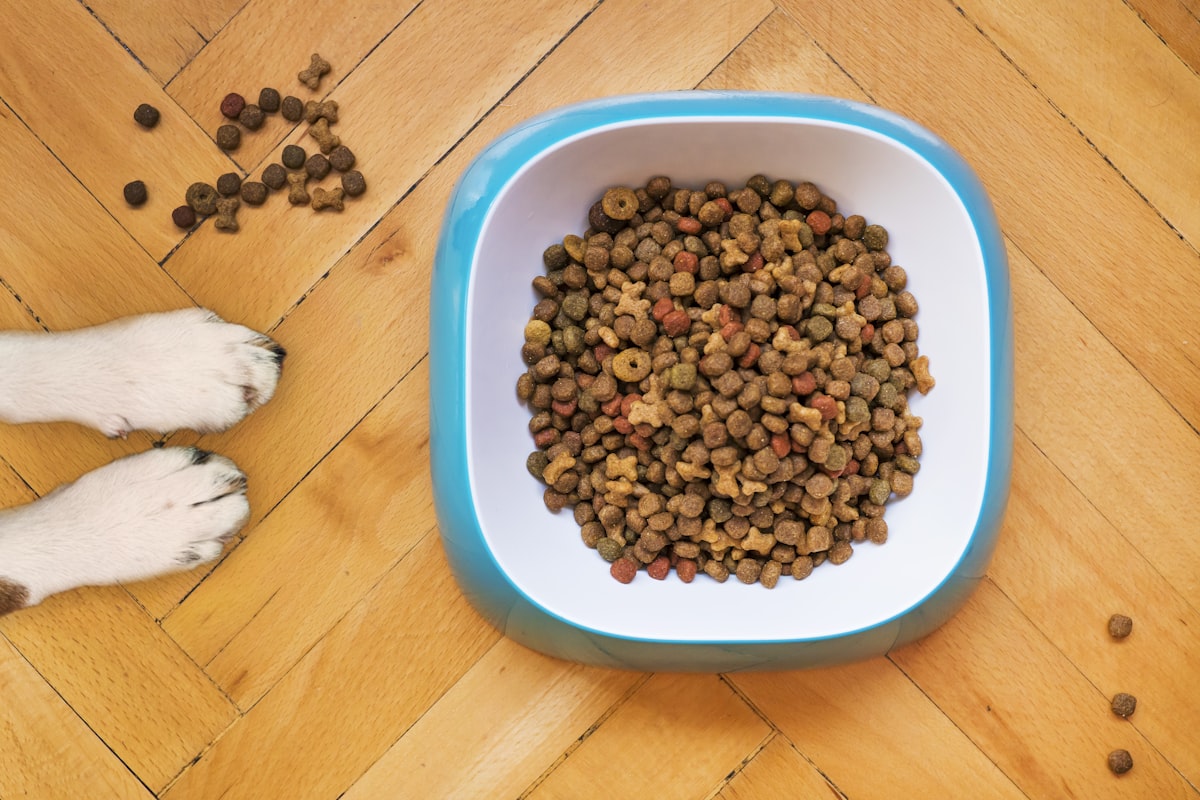
Finding the right dog food for a pet with a sensitive stomach can feel like navigating a maze with no clear end. As a loving dog owner, you want nothing more than to see your…
Top Picks
- Pedigree Complete Nutrition Dog Food — Best Overall: Our "Best Overall" choice in the Sensitive-Stomach Dog Food category — a strong fit for dogs with sensitive stomachs.
- Dog Probiotic Digestive Health — Best Probiotic: Our "Best Probiotic" choice in the Sensitive-Stomach Dog Food category — a strong fit for dogs with sensitive stomachs.
- Dog Treat Grain Free Natural — Best Limited-Ingredient Treat: Our "Best Limited-Ingredient Treat" choice in the Sensitive-Stomach Dog Food category — a strong fit for dogs with sensitive stomachs.
- Native Pet Probiotic Powder For Dogs — Best Gut Powder: Our "Best Gut Powder" choice in the Sensitive-Stomach Dog Food category — a strong fit for dogs with sensitive stomachs.
- Nutramax Proviable Digestive Health Supplement — Best Digestive Supplement: Our "Best Digestive Supplement" choice in the Sensitive-Stomach Dog Food category — a strong fit for dogs with sensitive stomachs.
Finding the right dog food for a pet with a sensitive stomach can feel like navigating a maze with no clear end. As a loving dog owner, you want nothing more than to see your furry friend thrive—free from digestive discomfort, upset stomachs, and the stress that comes with ongoing digestive issues. At Michelle’s Pet Shop, we understand just how challenging it can be to identify foods that not only meet your dog’s nutritional needs but also promote digestive health and overall well-being.
Dogs with sensitive stomachs often experience symptoms such as frequent vomiting, diarrhea, gas, or excessive flatulence. These issues can stem from a variety of causes, including food intolerances, allergies, or underlying medical conditions. While it’s essential to consult your veterinarian to rule out any health problems, making thoughtful dietary choices plays a crucial role in managing and alleviating these symptoms.
When choosing the best dog food for a sensitive stomach in 2026, it’s important to focus on formulas designed to be gentle and easy to digest. These foods typically contain high-quality, limited ingredients, often avoiding common triggers like grains, artificial additives, or fillers that can exacerbate digestive upset. Instead, they emphasize digestible protein sources, prebiotics, and balanced fiber to support a healthy gut environment.
In this comprehensive guide, we’ll help you explore some of the top dog foods formulated specifically to cater to dogs with sensitive digestive systems. Our selections are informed by veterinary nutrition principles and real-world considerations, aiming to provide you with practical options that can ease your dog’s digestive discomfort while ensuring balanced nutrition. Whether your dog is dealing with mild sensitivity or chronic digestive issues, you’ll find helpful insights and product recommendations to make informed decisions.
Remember, each dog is unique, and what works well for one may not be ideal for another. Transitioning to a new food should always be done gradually and under the guidance of your veterinarian, especially for dogs with sensitive stomachs. With patience and the right nutritional approach, you can help your dog feel more comfortable and enjoy mealtime again.
Let’s dive into the best dog foods for sensitive stomachs in 2026—carefully selected to bring gentle nourishment and digestive ease to your beloved companion.
Why Do Some Dogs Have Sensitive Stomachs?
Many dog owners notice their pets occasionally experience digestive upsets such as vomiting, diarrhea, or gas. However, for some dogs, these symptoms occur more frequently and are signs of a sensitive stomach. Understanding why some dogs have sensitive stomachs involves exploring a variety of biological and environmental factors that can influence their digestive health. While occasional digestive issues can be normal, persistent or severe symptoms should always prompt consultation with your veterinarian to rule out underlying health problems.
At its core, a sensitive stomach refers to a digestive system that reacts adversely to certain foods, environmental stressors, or infections. Unlike dogs with robust digestive tracts, those with sensitive stomachs have a more reactive gastrointestinal (GI) lining or altered gut microbiota, making them prone to inflammation or irritation. This sensitivity can stem from genetic predispositions, diet, immune responses, stress levels, or exposure to pathogens.
Biological Factors Contributing to Sensitive Stomachs
1. Food Allergies and Intolerances: One of the most common biological causes of digestive upset in dogs is a food allergy or intolerance. Food allergies occur when the immune system mistakenly identifies a protein in the diet as harmful, triggering inflammation in the gut lining. Common allergens include beef, dairy, chicken, wheat, and soy. Food intolerances, which are different from allergies, involve difficulty digesting certain ingredients, such as lactose or certain carbohydrates, leading to symptoms like gas, diarrhea, or vomiting.
2. Digestive Enzyme Deficiencies: Some dogs may have insufficient production of digestive enzymes or bile acids, which are essential for breaking down food and absorbing nutrients. Without adequate enzymes, food may not be properly digested, causing fermentation in the intestines and subsequent GI discomfort.
3. Altered Gut Microbiota: The gut microbiome—the diverse community of bacteria and other microbes living in the digestive tract—plays a crucial role in maintaining digestive health. An imbalance of these microbes, known as dysbiosis, can contribute to inflammation and increased sensitivity. Factors such as antibiotics, illness, or diet changes can disrupt this balance.
4. Chronic Gastrointestinal Conditions: Underlying conditions such as inflammatory bowel disease (IBD), exocrine pancreatic insufficiency (EPI), or parasitic infections can cause chronic digestive sensitivity. These conditions usually require veterinary diagnosis and management.
Environmental Factors Affecting Canine Digestive Health
1. Sudden Diet Changes: Abrupt switches in a dog’s diet can overwhelm the digestive system, leading to temporary upset. The gut bacteria need time to adjust to new ingredients, so a sudden introduction of new foods or treats often causes diarrhea or vomiting.
2. Stress and Anxiety: Just like humans, dogs’ digestive systems are sensitive to emotional stress. Changes in routine, travel, loud noises, or separation anxiety can trigger GI symptoms. Stress influences gut motility and secretions and can exacerbate existing sensitivities.
3. Exposure to Infectious Agents: Viral, bacterial, or parasitic infections can damage the gut lining and disrupt normal digestion. Common infections include parvovirus, giardia, and bacterial overgrowths. These infections often require prompt veterinary treatment.
4. Ingestion of Non-Food Items or Toxins: Dogs are naturally curious and may ingest foreign objects or toxic substances, causing irritation or obstruction in the digestive tract. This can lead to sensitive stomach symptoms or more serious emergencies.
| Cause | Typical Signs | Recommended First Steps |
|---|---|---|
| Food Allergies | Chronic vomiting, diarrhea, itchy skin, ear infections | Consult vet for elimination diet trial; avoid suspected allergens |
| Sudden Diet Changes | Diarrhea, soft stools, mild vomiting | Transition diet gradually over 7–10 days; reintroduce previous food if needed |
| Stress | Intermittent diarrhea, vomiting, decreased appetite | Identify and minimize stressors; provide calming environment and routine |
| Infections (Bacterial, Viral, Parasitic) | Severe diarrhea, vomiting, lethargy, sometimes fever | Seek veterinary diagnosis and treatment promptly |
Understanding these diverse factors can help you identify potential triggers and work towards minimizing your dog’s digestive discomfort. Sensitive stomachs often require a multifaceted approach, including dietary management, stress reduction, and veterinary care when indicated. Remember, each dog is unique, so what works for one may not work for another.
How to Choose the Best Dog Food for a Sensitive Stomach
Feeding a dog with a sensitive stomach can be challenging. Dogs with digestive issues often experience symptoms like vomiting, diarrhea, gas, bloating, or chronic upset after meals. Choosing the right dog food helps manage these symptoms and supports your pet’s overall gut health. However, not all sensitive stomach diets are created equal, and understanding what makes a formula effective is essential. This guide will help you navigate ingredient labels, protein sources, and carbohydrate types to find a diet that suits your dog’s unique needs.
Understand the Root Cause of Sensitivities
Before selecting a diet, it’s important to consult your veterinarian to rule out underlying medical conditions such as pancreatitis, inflammatory bowel disease, or food allergies. Once other causes are excluded, dietary management becomes the next step. Sensitive stomach diets typically focus on reducing ingredient complexity, avoiding common allergens, and including highly digestible nutrients.
Reading Ingredient Labels: What to Look For—and What to Avoid
When evaluating dog food labels, start by looking at the first five ingredients, as they constitute the majority of the formula. For sensitive stomachs, simpler is better. Avoid foods with a long list of fillers, artificial additives, or ambiguous ingredients like “meat by-products” or “animal digest.” Instead, seek foods that clearly list high-quality protein sources and whole food carbohydrates without unnecessary extras.
Protein Sources: Choose Novel or Limited Ingredients for Easier Digestion
Proteins are often the cause of food sensitivities. Common proteins like beef or chicken may trigger allergic reactions in some dogs. In these cases, consider formulas with novel proteins such as duck, venison, or rabbit, which your dog has likely not been exposed to previously. Alternatively, limited ingredient diets (LIDs) simplify the protein source to one or two types, reducing the likelihood of triggering sensitivities. Look for single-source proteins that are clearly named (e.g., “Lamb meal” or “Salmon”) rather than vague terms.
Carbohydrates: Opt for Easily Digestible Sources
Carbohydrates are an important energy source, but some dogs with sensitive stomachs struggle with certain types. Ingredients like corn, wheat, and soy are common allergens and can be hard to digest. Instead, prioritize easily digestible carbs such as sweet potatoes, pumpkin, peas, or rice. These ingredients provide fiber and energy without overstimulating the digestive tract. Additionally, soluble fibers like beet pulp or psyllium husk can promote healthy digestion and stool consistency.
Additional Considerations: Probiotics, Prebiotics, and Fat Content
Many sensitive stomach diets incorporate probiotics and prebiotics to support gut flora balance, which can improve digestion and immune function. Look for strains like Lactobacillus acidophilus or Bifidobacterium. Also, monitor fat levels; while fat is essential for energy, excessive fat can worsen digestive upset in some dogs. Balanced fat content with omega fatty acids can help reduce inflammation and improve coat condition.
| Diet Type | Pros | Cons |
|---|---|---|
| Limited Ingredient Diet (LID) |
|
|
| Grain-Free Diet |
|
|
| Prescription Diet |
|
|
| Novel Protein Diet |
|
|
Key Ingredients to Look For (and What to Avoid)
When managing a dog's sensitive stomach, the ingredients in their food play a pivotal role in either soothing their digestive tract or exacerbating inflammation. Understanding which ingredients promote gut health and which ones to avoid can make a significant difference in your dog's comfort and overall well-being. A diet tailored for sensitive stomachs should focus on high-quality, easily digestible components while eliminating potential irritants.
Beneficial Ingredients for Sensitive Stomachs
Certain ingredients are known for their gentle nature and ability to support digestive health. These components help maintain a balanced gut microbiome, provide essential nutrients without overworking the digestive system, and reduce inflammation.
Easily Digestible Proteins: High-quality, lean proteins are crucial. Novel proteins like venison, duck, or salmon are often recommended because they are less likely to trigger allergic reactions compared to common proteins like beef or chicken. Hydrolyzed proteins, where the protein molecules are broken down into smaller pieces, are also excellent as they are less likely to be recognized as allergens by the immune system.
Pumpkin and Sweet Potatoes: These are fantastic sources of soluble fiber. Soluble fiber absorbs water and helps regulate bowel movements, making it beneficial for dogs experiencing diarrhea or constipation. Pumpkin, in particular, is known for its soothing properties on the digestive tract.
Probiotics and Prebiotics: Probiotics are beneficial bacteria that help maintain a healthy gut microbiome, which is essential for proper digestion and immune function. Prebiotics, such as chicory root or inulin, serve as food for these beneficial bacteria, helping them thrive.
Omega-3 Fatty Acids: Found in ingredients like fish oil or flaxseed, omega-3 fatty acids have anti-inflammatory properties that can help reduce inflammation in the gut lining, promoting healing and comfort.
Ingredients to Avoid
Conversely, some ingredients are notorious for causing or worsening digestive upset in sensitive dogs. Identifying and eliminating these from your dog's diet is a key step in managing their condition.
Artificial Colors, Flavors, and Preservatives: Additives like BHA, BHT, and artificial dyes offer no nutritional value and can irritate a sensitive stomach. Natural preservatives like mixed tocopherols (vitamin E) are much safer alternatives.
Excessive Fat: While fat is an essential nutrient, diets excessively high in fat can be difficult to digest and may trigger conditions like pancreatitis or exacerbate diarrhea. Look for moderate fat levels tailored to your dog's activity level and health needs.
Unnamed Meat Meals and By-Products: Ingredients listed simply as "meat meal" or "poultry by-product" are vague and can vary in quality and composition from batch to batch. This inconsistency can be problematic for dogs that require a strict, predictable diet to avoid flare-ups.
Common Allergens: Ingredients such as wheat, corn, soy, and dairy are frequent culprits in food allergies and intolerances. Avoiding these can help prevent immune-mediated digestive issues.
| Ingredient Category | Beneficial Ingredients (Look For) | Ingredients to Avoid |
|---|---|---|
| Proteins | Novel proteins (venison, duck), salmon, hydrolyzed proteins | Unnamed meat meals, common allergens (beef, chicken) if intolerant |
| Carbohydrates/Fiber | Pumpkin, sweet potatoes, oatmeal, chicory root (prebiotic) | Wheat, corn, soy, excessive refined grains |
| Fats | Fish oil, flaxseed (Omega-3s), moderate fat levels | Excessive overall fat, unnamed animal fats |
| Additives | Probiotics (e.g., Lactobacillus), natural preservatives (mixed tocopherols) | Artificial colors, flavors, chemical preservatives (BHA, BHT) |
Comparing Our Top Picks for Sensitive Stomachs
Finding the right food or supplement for a dog with a sensitive stomach can be a process of trial and error. To help narrow down your choices, we’ve evaluated numerous products based on ingredient quality, digestibility, and their specific benefits for gastrointestinal health. Below, we compare our top five picks, each earning a distinct award for its unique contribution to managing sensitive stomachs. These selections are designed to offer gentle nutrition and targeted support for dogs prone to digestive upset.
1. Pedigree Complete Nutrition Dog Food (Award: Best Overall)
Earning our "Best Overall" award, Pedigree Complete Nutrition Dog Food offers a balanced approach to daily feeding that is gentle on the digestive system. This formula is crafted with highly digestible ingredients that ensure optimal nutrient absorption without overtaxing the gut. It includes a blend of whole grains and protein sources that provide sustained energy while maintaining stool consistency. Additionally, it is fortified with essential vitamins and minerals, including antioxidants, to support a healthy immune system. For pet parents looking for a reliable, everyday diet that minimizes the risk of gastrointestinal distress, this product stands out as a comprehensive solution.
2. Dog Probiotic Digestive Health (Award: Best Probiotic)
Gut flora plays a critical role in digestion, and imbalances can lead to frequent upset. The Dog Probiotic Digestive Health supplement wins our "Best Probiotic" award for its potent blend of beneficial bacteria designed to restore and maintain a healthy microbiome. This supplement is particularly useful for dogs recovering from illness, antibiotic use, or those experiencing chronic loose stools. By introducing specific strains of probiotics that thrive in the canine gut, it helps improve nutrient absorption, reduce gas, and promote firmer stools. It’s an excellent addition to any sensitive stomach diet, providing targeted support where it’s needed most.
3. Dog Treat Grain Free Natural (Award: Best Limited-Ingredient Treat)
Treats are often the hidden culprits behind digestive flare-ups. The Dog Treat Grain Free Natural takes the "Best Limited-Ingredient Treat" award by offering a safe, rewarding option for sensitive dogs. Formulated without common allergens like wheat, corn, or soy, these treats rely on a minimal number of high-quality ingredients. This simplicity reduces the likelihood of triggering an adverse reaction while still providing a tasty reward. They are ideal for training or simply showing affection, ensuring that treating your dog doesn't compromise their digestive health.
4. Native Pet Probiotic Powder For Dogs (Award: Best Gut Powder)
For those who prefer a versatile supplement format, the Native Pet Probiotic Powder For Dogs is our choice for "Best Gut Powder." This product is praised for its ease of use; it can be simply sprinkled over your dog's regular meals. It combines probiotics with prebiotics (like organic pumpkin or artichoke root) to not only introduce beneficial bacteria but also provide the necessary fuel for them to flourish. This dual-action approach is highly effective in soothing irritated stomachs, reducing inflammation, and promoting overall digestive resilience.
5. Nutramax Proviable Digestive Health Supplement (Award: Best Digestive Supplement)
When a dog requires robust, clinical-level support, the Nutramax Proviable Digestive Health Supplement is our top recommendation, earning the "Best Digestive Supplement" award. Often recommended by veterinarians, this supplement contains a multi-strain probiotic blend combined with prebiotics. It is specifically formulated to help reestablish healthy intestinal balance quickly, making it invaluable during acute episodes of diarrhea or severe digestive upset. Its comprehensive formulation ensures that the gut environment is optimized for recovery and long-term stability.
| Product Name | Award | Best For | Key Feature |
|---|---|---|---|
| Pedigree Complete Nutrition Dog Food | Best Overall | Daily feeding for overall digestive stability | Highly digestible ingredients with balanced nutrients |
| Dog Probiotic Digestive Health | Best Probiotic | Restoring gut flora and reducing gas | Potent blend of beneficial bacteria strains |
| Dog Treat Grain Free Natural | Best Limited-Ingredient Treat | Safe treating without triggering sensitivities | Grain-free, minimal ingredient list |
| Native Pet Probiotic Powder For Dogs | Best Gut Powder | Easy daily supplementation over meals | Combines probiotics with natural prebiotics like pumpkin |
| Nutramax Proviable Digestive Health Supplement | Best Digestive Supplement | Clinical-level support for acute or chronic upset | Multi-strain formula often recommended by vets |
Common Mistakes Pet Parents Make When Switching Foods
Switching a dog's food is a common necessity, whether you're upgrading to a higher-quality diet, addressing a medical issue, or simply trying a new flavor. However, for dogs with sensitive stomachs, the transition process is critical. One of the most frequent and impactful mistakes pet parents make is changing their dog's diet too abruptly. The canine digestive system, particularly the gut microbiome, requires time to adapt to new ingredients, protein sources, and macronutrient profiles. An abrupt switch can overwhelm this delicate balance, leading to gastrointestinal distress such as vomiting, diarrhea, and excessive gas.
Another common error is failing to monitor the dog closely during the transition period. Pet parents sometimes assume that if the new food is of high quality, it will automatically be well-tolerated. However, even premium diets can cause upset if introduced incorrectly or if they contain an ingredient the dog is sensitive to. It's essential to observe your dog's stool consistency, frequency of bowel movements, and overall behavior. Loose stools or lethargy are clear indicators that the transition may be happening too quickly or that the new food might not be the right fit.
Additionally, pet parents often introduce multiple new variables at once. For example, switching the main diet while simultaneously offering new treats or supplements makes it impossible to identify the culprit if an adverse reaction occurs. When transitioning foods, it is best to keep all other aspects of the dog's diet constant. This isolation of variables ensures that any changes in digestion can be directly attributed to the new food, allowing for more accurate adjustments.
To avoid these pitfalls, a structured, gradual transition is highly recommended. This approach allows the digestive enzymes and gut bacteria to adjust to the new nutritional profile smoothly. Below is a standard 7-day transition schedule that is generally safe for most dogs, though those with particularly sensitive stomachs may require an even longer period, such as 10 to 14 days.
| Transition Period | Ratio of Old Food | Ratio of New Food | What to Monitor |
|---|---|---|---|
| Day 1-2 | 75% | 25% | Watch for any immediate signs of refusal or mild gas. Stool should remain relatively normal. |
| Day 3-4 | 50% | 50% | Check stool consistency. Mild softening is common, but diarrhea indicates you should slow down. |
| Day 5-6 | 25% | 75% | Ensure the dog is maintaining energy levels and appetite. Stool should be firming up if it softened previously. |
| Day 7 | 0% | 100% | Full transition complete. Continue to monitor for any delayed reactions over the next week. |
How Much Should You Budget for Specialized Digestive Diets?
When managing a dog with a sensitive stomach, one of the primary concerns for pet parents is the cost of specialized diets. It is a common misconception that all therapeutic or sensitive stomach foods are prohibitively expensive. While it is true that these diets often cost more than standard commercial kibble, the investment is usually justified by the quality of ingredients and the specific formulations designed to support gastrointestinal health. Understanding the different cost tiers can help you budget effectively while ensuring your dog receives the necessary nutritional support.
The price of specialized digestive diets varies significantly based on the brand, the quality of the protein sources, and whether the food is available over-the-counter or requires a veterinary prescription. Budget-friendly options often utilize easily digestible grains and common proteins, whereas premium and prescription diets may feature novel proteins, hydrolyzed ingredients, and advanced probiotic blends. It is important to remember that while a higher upfront cost for premium food might seem daunting, it can lead to substantial savings in the long run. A diet that effectively manages your dog's sensitive stomach can reduce the frequency of veterinary visits for gastrointestinal distress, lower the need for medications, and minimize the costs associated with treating chronic conditions.
Furthermore, specialized diets are often more nutrient-dense and highly digestible. This means your dog's body absorbs more nutrients from a smaller volume of food, potentially reducing the overall amount you need to feed them daily. When calculating your budget, consider the cost per feeding rather than just the price per bag. Investing in a diet that keeps your dog healthy and comfortable is an investment in their quality of life and your peace of mind.
Below is a comparison of estimated monthly cost tiers for a medium-sized dog (approximately 30-50 lbs) to help you understand what to expect at different price points.
| Cost Tier | Estimated Monthly Cost (Medium Dog) | What You Typically Get |
|---|---|---|
| Budget | $40 - $60 | Over-the-counter sensitive stomach formulas; easily digestible grains (like oatmeal or rice); standard proteins (chicken or lamb); basic prebiotic fiber. |
| Mid-Range | $60 - $90 | High-quality over-the-counter limited ingredient diets (LID); novel proteins (salmon, venison); grain-free options; added probiotics and omega fatty acids. |
| Premium / Prescription | $90 - $150+ | Veterinary-authorized therapeutic diets; hydrolyzed proteins (broken down to prevent allergic reactions); designed formulations for severe GI issues. |
Care, Usage Tips, and When to Consult a Vet
Managing a dog with a sensitive stomach extends beyond simply choosing the right food; it requires a holistic approach to their daily care and feeding routine. Proper storage of dog food is a critical, yet often overlooked, aspect of digestive health. Exposure to air, moisture, and heat can cause the fats in dry kibble to oxidize and become rancid, which can easily trigger an upset stomach. Always store dry food in its original bag, placed inside an airtight container, and keep it in a cool, dry environment. For canned or fresh foods, ensure they are promptly refrigerated after opening and used within the timeframe recommended by the manufacturer.
Consistency is another key factor in maintaining gastrointestinal stability. Dogs thrive on routine, and their digestive systems are no exception. Establish a consistent feeding schedule, offering meals at the same times each day. This regularity helps regulate their digestive enzymes and bowel movements. Additionally, be mindful of portion control. Overfeeding can overwhelm a sensitive digestive tract, leading to bloating, gas, and loose stools. Use a standard measuring cup to ensure you are providing the correct amount based on your dog's ideal weight and the food's caloric density.
While dietary management can resolve many mild digestive issues, it is vital to recognize when a problem exceeds what can be handled at home. Digestive upset can sometimes be a symptom of a more serious underlying medical condition, such as pancreatitis, intestinal parasites, or an obstruction. Knowing the difference between mild, transient symptoms and severe red flags is essential for your dog's safety. If you are ever in doubt about your dog's health, it is always best to err on the side of caution and seek professional veterinary advice.
| Symptom Category | Mild Symptoms (Monitor at Home) | Severe Symptoms (See a Vet Immediately) |
|---|---|---|
| Vomiting | Occasional vomiting (e.g., once in a day) with normal behavior and appetite. | Repeated vomiting, inability to keep water down, projectile vomiting, or vomit containing blood or dark "coffee ground" material. |
| Diarrhea / Stool | One or two episodes of loose stool, but the dog remains active and hydrated. | Profuse, watery diarrhea lasting more than 24 hours, straining to defecate, or stool containing bright red blood or black, tarry substance. |
| Appetite & Energy | Slightly decreased appetite for a single meal, but otherwise alert and responsive. | Complete loss of appetite for more than 24 hours, profound lethargy, weakness, or signs of abdominal pain (e.g., a hunched posture or whining when the belly is touched). |
| Other Signs | Mild, occasional gas or stomach gurgling. | A swollen, hard, or distended abdomen, pale gums, or signs of dehydration (e.g., dry gums, sunken eyes). |
Frequently Asked Questions
What are the signs that my dog has a sensitive stomach?
Common signs include frequent vomiting, diarrhea, loose stools, excessive gas, and a lack of appetite. If these symptoms persist, it's important to consult your veterinarian to rule out any underlying health issues.
How long does it take to transition my dog to a new sensitive stomach food?
A gradual transition over 7 to 10 days is recommended. Start by mixing a small amount of the new food with the old food, gradually increasing the proportion of the new food while decreasing the old food to prevent digestive upset.
Are grain-free diets better for dogs with sensitive stomachs?
Not necessarily. While some dogs have grain sensitivities, many sensitive stomach issues are related to the protein source rather than grains. It's best to consult your vet to determine if a grain-free diet is appropriate for your dog's specific needs.
Can I give my dog treats if they have a sensitive stomach?
Yes, but it's important to choose treats carefully. Look for limited-ingredient treats or those specifically formulated for sensitive stomachs, and avoid treats with artificial additives, excessive fat, or common allergens.
When should I see a vet for my dog's digestive issues?
You should consult a vet if your dog experiences severe symptoms such as persistent vomiting or diarrhea, lethargy, weight loss, blood in the stool, or if mild symptoms do not improve after a few days of dietary adjustments.