Best Car Seats for Small Dogs: Safe Travel Picks for 2026
By Michelle — Michelle's Pet Shop. Published May 12, 2026. 27 min read.
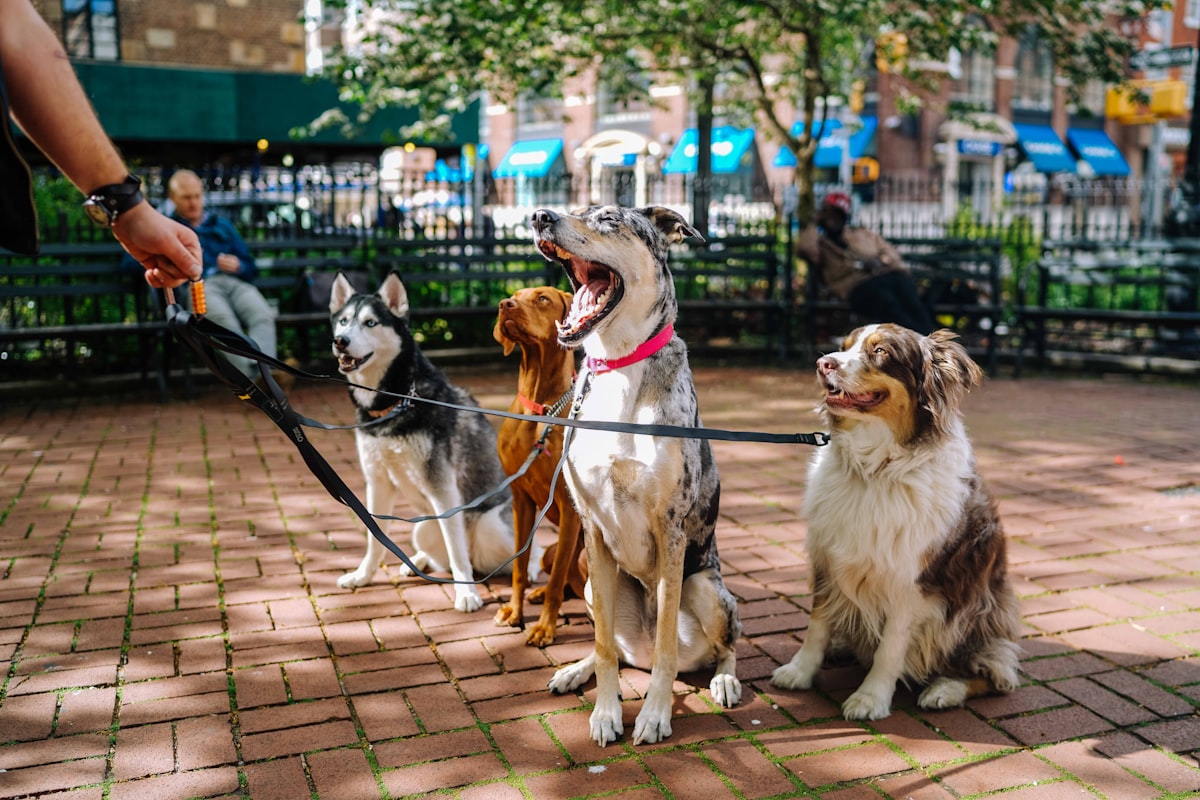
Discover the best Dog Car Seats & Travel options for Small Dogs in this 2026 buying guide. Compare safe, comfy, and easy-to-install picks that help keep your petite pup secure on every ride.
Top Picks
- K H Pet Products Bucket Booster Dog Car Seat — Best Booster: This booster earns Best Booster for giving small dogs a cushioned, elevated perch so they can see out the window while staying tethered in place. Its sturdy bucket-style design and easy seat-belt installation make it a practical comfort upgrade for everyday rides.
- Sleepypod Mobile Pet Bed Dog Car Seat — Best Crash-Tested: The Sleepypod stands out as Best Crash-Tested because it functions as a cozy bed and travel carrier while being rigorously safety tested for car use. Its enclosed design helps keep small pets contained and protected without sacrificing comfort.
- Kurgo Tru Fit Dog Car Harness — Best Harness: Kurgo’s Tru-Fit wins Best Harness for its adjustable, easy-to-use design that transitions smoothly from car restraint to walking harness. It offers solid everyday security, broad fit flexibility, and good value for regular travelers.
- Plush Paws Products Dog Car Seat Cover — Best Seat Cover: This cover takes Best Seat Cover for shielding upholstery from fur, mud, claws, and spills with a durable, water-resistant barrier. Its nonslip backing and hammock-style coverage help keep both the back seat and your dog more secure.
- Ruffwear Load Up Dog Car Harness — Best Premium Harness: The Ruffwear Load Up earns Best Premium Harness thanks to its high-quality materials, padded construction, and secure fit built for long-haul comfort. It’s a polished, durability-focused option for pet parents who want a more refined travel harness.
A quick drive to the groomer, a weekend road trip, or the daily school-run loop can feel very different when a 6-pound Chihuahua, Yorkie, Maltese, Toy Poodle, or Mini Dachshund is sliding across the back seat. Small dogs are especially vulnerable in the car because their lighter bodies can be thrown forward during sudden braking, and their short legs often cannot brace securely on slick upholstery. A well-chosen dog car seat helps create a dedicated travel spot, gives nervous pups a higher view out the window, and keeps curious companions from climbing into your lap while you drive. For 2026, the best options are not just “cute booster baskets” — they combine secure attachment points, supportive structure, washable materials, and compatibility with a crash-tested harness or seat belt tether. If you are starting your search, Michelle’s Pet Shop makes it easy to compare practical travel solutions in our Dog Car Seats & Travel collection, with picks suited to tiny puppies, senior small breeds, anxious riders, and dogs who need extra cushioning on longer journeys.
In this guide, we will walk through what actually matters when buying a car seat for a small dog: size and weight fit, booster height, anchoring style, harness connection, padding, ventilation, cleaning ease, and whether a carrier-style seat, console seat, bucket booster, or enclosed travel bed makes the most sense for your dog’s body shape and temperament. We will also cover safety-minded buying tips, including why a collar should never be used as the restraint point in a moving vehicle, how to measure your dog before ordering, and what to consider for flat-faced breeds like Pugs or French Bulldogs that may need airflow and room to sit upright comfortably. You will find recommendations for different travel personalities too: the window-watcher who wants elevation, the burrower who calms down in soft bolsters, the senior dog with achy joints, and the puppy still learning that car rides are part of everyday life. By the end, you will be better prepared to choose a small dog car seat that feels cozy for your pet, convenient for your routine, and genuinely safer than letting your best friend ride loose.
Why Do Small Dogs Need a Car Seat?
For small dogs, a car seat is not just a comfort accessory; it is a practical travel safety tool. Toy and small breeds such as Chihuahuas, Yorkshire Terriers, Maltese, Shih Tzus, Havanese, Mini Dachshunds, Pomeranians, and Toy Poodles have compact bodies, delicate necks, and lighter frames that can move abruptly during a sudden stop, sharp turn, or minor collision. When a dog is loose on the seat, even normal city driving can cause sliding, scrambling, or jumping between seats. A properly fitted dog car seat, used with a suitable harness and vehicle attachment, helps keep your dog in a more stable position and reduces the risk of being thrown forward or falling into the footwell.
A car seat can also make travel feel less overwhelming. Many small dogs become anxious because they cannot see where they are going, feel unstable on slick upholstery, or associate the car with stressful destinations like the veterinarian or groomer. A booster-style seat can raise a little dog high enough to look out the window, while a bolstered travel bed can create a den-like space for dogs who prefer to curl up. For nervous puppies or seniors, that familiar “assigned spot” can become part of a predictable routine: harness on, into the seat, clipped in, then calm praise before the car starts moving. If your dog shows intense anxiety, repeated vomiting, drooling, panting, or panic during travel, consult your veterinarian for guidance before assuming a new seat alone will solve the issue.
Driver distraction is another major reason small dogs need restraint. A 7-pound dog climbing into your lap, stepping on the center console, or trying to reach the window can pull your attention away from the road at exactly the wrong moment. Some small breeds are especially people-focused and may insist on being close to the driver, while others bark at passing dogs, cyclists, or drive-through workers. A secure car seat helps set a physical boundary, making it easier for you to keep both hands on the wheel and your eyes forward.
| Criteria | Loose in Car | Restrained in Car Seat/Harness |
|---|---|---|
| Safety | Dog may slide, fall into the footwell, or be thrown during sudden braking. Collisions and quick stops pose a greater risk to small, lightweight bodies. | Dog has a designated position and is connected through a harness-compatible restraint, helping limit unsafe movement when used correctly. |
| Distraction Level | Dog can climb onto the driver, move between seats, block mirrors, bark at windows, or interfere with gear shifts and controls. | Dog remains in a controlled travel zone, reducing lap-climbing, pacing, and sudden movement that can distract the driver. |
| Comfort | Dog may struggle to balance on slippery upholstery, especially during turns. Tiny puppies and senior dogs may feel insecure. | Bolsters, padding, and booster height can support resting, window viewing, and a calmer ride for dogs who like structure. |
| Anxiety Management | Lack of boundaries can increase pacing, whining, and uncertainty, particularly for dogs who already dislike car rides. | A consistent, familiar seat can become part of a reassuring routine and may help nervous dogs settle more easily. |
The key is choosing a seat that fits your dog’s weight, body length, and travel style, then pairing it with a well-fitted harness rather than attaching any restraint to a collar. Car seats are not magic shields, and no product can remove all travel risk, but they do create a safer and more manageable setup than allowing a small dog to roam freely. For everyday errands and longer road trips alike, that combination of stability, comfort, and driver focus is exactly why small dogs benefit from a dedicated car seat.
What Should You Look For in a Small Dog Car Seat?
Once you know why a small dog car seat matters, the next step is choosing one that fits your dog, your vehicle, and the way you actually travel. A seat that looks cozy online may be too shallow for a leggy Italian Greyhound, too narrow for a stocky French Bulldog puppy, or too low-sided for a curious Chihuahua who likes to stand and watch traffic. Start with your dog’s current weight, chest size, body length from chest to rump, and typical riding posture. A Maltese who curls into a donut may do well in a plush bolstered bucket, while a Mini Dachshund usually needs extra length and stable support for a long back.
Crash testing is another important consideration, but it should be understood realistically. Look for products that clearly explain their safety design, restraint method, and any independent crash-testing or dynamic-testing information they can document. Avoid vague claims such as “crash safe” with no explanation. Also remember that a car seat is only one part of the system: your dog should be attached with a properly fitted harness, not a collar, because neck restraint can be dangerous during sudden movement. If your dog has spinal disease, collapsing trachea, orthopedic issues, or post-surgical restrictions, consult your veterinarian before selecting a travel restraint style.
Attachment points deserve close attention. The best small dog car seats connect securely to the vehicle seat using the seat belt, headrest straps, LATCH-style anchors when available, or a combination of stabilizing straps. Inside the seat, the tether should attach to a harness and be short enough to prevent jumping out, but not so tight that your dog cannot sit or lie down comfortably. For active breeds like Pomeranians, Toy Poodles, and Yorkies, a higher-sided design with multiple vehicle attachment points may help reduce climbing and shifting.
| Feature | Why It Matters | What to Look For |
|---|---|---|
| Correct Size | A seat that is too large allows sliding, while one that is too small can feel cramped and stressful. | Check weight limits, interior dimensions, bolster height, and whether your dog can sit, turn, and lie down naturally. |
| Crash-Testing Information | Transparent testing helps you compare safety claims more responsibly. | Look for documented testing details, clear restraint instructions, and realistic language rather than unsupported promises. |
| Secure Vehicle Attachment | A stable seat is less likely to tip, slide, or shift during turns and sudden stops. | Choose designs that route the vehicle seat belt securely and include stabilizing straps or anchor-compatible options. |
| Harness-Compatible Tether | The tether helps keep your dog in the seat without putting force on the neck. | Use only with a well-fitted harness; avoid clipping travel restraints to collars. |
| Washability | Small dogs may shed, drool, track dirt, or get carsick, especially on longer drives. | Prioritize removable, machine-washable covers, wipe-clean liners, and odor-resistant materials. |
Finally, do not underestimate washability. Puppies may have accidents, senior dogs may leak urine, and even confident travelers can become nauseated on winding roads. Removable covers, washable liners, and easy-to-vacuum fabrics make the seat more hygienic and more pleasant to use regularly. A car seat that is difficult to clean often ends up stored in the garage, which defeats the purpose of building a consistent, safe travel routine.
Best Booster: K&H Pet Products Bucket Booster Dog Car Seat
For small dogs who ride better when they can see what is happening outside, the K&H Pet Products Bucket Booster Dog Car Seat earns our “Best Booster” pick because it focuses on one of the biggest comfort issues for toy and small breeds: visibility. Many Chihuahuas, Yorkies, Maltese, Toy Poodles, and Shih Tzus become restless when they are tucked too low on the vehicle seat, where all they can see is upholstery and passing shadows. By elevating your dog into a more natural viewing position, this booster-style seat can help some small dogs settle, watch the road calmly, and feel included without climbing into your lap.
The bucket-style shape is especially appealing for dogs who like a defined, nest-like space. Soft bolstered edges give your pup a place to lean, while the raised design helps create a cozy perch rather than a flat mat. That can be useful for small companions who alternate between sitting upright at stoplights and curling up during longer stretches of highway. A petite Havanese may use the side bolster as a chin rest, while a compact Pomeranian may appreciate the contained feel that discourages sliding across the back seat during gentle turns.
Installation is another reason this seat stands out as a practical everyday choice. Rather than requiring a complicated setup that owners may skip on short errands, the Bucket Booster is designed to be secured with the vehicle seat belt, helping anchor the seat in place before your dog gets in. As with any car seat, the safest routine is to install it according to the manufacturer’s directions every time and attach the interior tether to a properly fitted dog harness, never to a collar. This is particularly important for brachycephalic breeds such as Pugs and French Bulldog puppies, as well as dogs with delicate necks or tracheal concerns.
| Pros | Cons | Ideal For |
|---|---|---|
| Elevated booster design helps small dogs see out the window, which may reduce pacing, whining, or lap-climbing for dogs who ride better with a view. | Not a substitute for a crash-tested harness system; it should be used with a secure harness attachment and careful installation. | Small dogs who enjoy looking out the window, including Chihuahuas, Yorkies, Maltese, Toy Poodles, and other compact companion breeds. |
| Bucket-style shape and bolstered sides create a comfortable, defined resting area for sitting, leaning, and curling up. | May not be roomy enough for longer-bodied dogs or small dogs who prefer to fully stretch out while traveling. | Dogs who like a cozy nest and owners who want a booster seat for daily errands, school pickup, vet visits, and weekend drives. |
| Seat-belt installation is relatively straightforward, making it easier to use consistently instead of only on long trips. | Highly active jumpers may still need additional training and a well-adjusted harness tether to prevent standing or leaning too far out. | Pet parents who want a comfortable, elevated travel seat that feels familiar and easy to install before every ride. |
This is not the pick for every dog. A Mini Dachshund with a long back may need a longer, flatter surface, and an anxious escape artist may require a higher-sided or more structured restraint setup. But for many small dogs who simply want height, softness, and a steady place to ride, this booster offers a strong balance of comfort and convenience. If your dog has motion sickness, orthopedic disease, spinal problems, breathing concerns, or recent surgery, check with your veterinarian before changing their travel setup.
Best Crash-Tested: Sleepypod Mobile Pet Bed
If the previous booster pick is all about giving small dogs a better view, the Sleepypod Mobile Pet Bed earns our “Best Crash-Tested” award because it approaches travel from a more safety-first angle. This is not simply a soft basket placed on the seat; it is a thoughtfully engineered travel system designed to function as a bed at home, a carrier on foot, and a secured pet restraint in the car. For pet parents who drive frequently, commute with a small dog, or want one product that moves from bedroom to back seat without confusing their dog, that multi-use design is a major advantage.
What separates this pick from many small-dog car seats is Sleepypod’s emphasis on crash testing and restraint performance. While no pet travel product can guarantee protection in every collision, a crash-tested design gives owners more confidence than a purely decorative seat or unstructured travel bed. The Mobile Pet Bed is built to work with the vehicle seat belt according to the manufacturer’s instructions, helping keep the carrier positioned on the seat rather than allowing a small dog to become a projectile during sudden braking or impact. That matters for tiny breeds such as Chihuahuas, Papillons, Toy Poodles, and Yorkshire Terriers, whose low body weight does not make them immune to serious injury in a crash.
The dual-use design is also a practical benefit for nervous travelers. Many small dogs ride more calmly when their car space smells and feels familiar. You can let your dog nap in the bed portion at home, then attach the carrier components for vet visits, hotel stays, or weekend travel. A shy Maltese who dislikes being transferred between multiple carriers may appreciate staying in one known space, while an older Miniature Pinscher may benefit from a padded, den-like area that reduces sliding and overexcitement. The enclosed shape can be especially helpful for dogs who settle better when they are not constantly stimulated by every passing car, cyclist, or pedestrian.
| Pros | Cons | Ideal For |
|---|---|---|
| Crash-tested design provides a more safety-focused option than many soft boosters or decorative car seats. | More enclosed than an open booster, so dogs who insist on sitting high and looking out may need a gradual introduction. | Safety-conscious owners of toy and small breeds who want a secured travel carrier rather than a simple elevated seat. |
| Functions as a bed, carrier, and car travel system, which can help anxious dogs build familiarity with one consistent space. | Typically best for smaller dogs within the product’s size and weight guidance; broad-chested or long-bodied dogs may need more room. | Chihuahuas, Yorkies, Papillons, Maltese, Toy Poodles, and other compact dogs who like a cozy, den-like setup. |
| Designed to be secured with the vehicle seat belt when used as directed, helping reduce unsafe movement during routine driving and sudden stops. | Requires careful installation every time; improper belt routing can reduce the benefit of the crash-tested design. | Pet parents who take frequent car trips, vet visits, road trips, or urban errands and want one travel product for multiple situations. |
The safety features are strongest when the product is used exactly as intended. Always check the current manufacturer instructions, confirm your dog fits comfortably without being cramped, and make sure the carrier is properly belted before every drive. Your dog should be able to rest naturally, turn with reasonable comfort, and breathe easily; this is particularly important for flat-faced breeds, senior dogs, and pets with heart, respiratory, orthopedic, or spinal concerns. If your dog has medical issues, recent surgery, significant anxiety, or motion sickness, consult your veterinarian before changing travel equipment or taking longer trips.
Best Harness: Kurgo Tru-Fit Dog Car Harness
For small dogs who dislike enclosed carriers or raised booster boxes, the Kurgo Tru-Fit Dog Car Harness earns our “Best Harness” award because it offers a practical middle ground: a wearable restraint for car rides that can also transition into everyday leash walks. Instead of asking your dog to stay inside a bed-style carrier, this harness helps secure your pup to the vehicle seat belt system while allowing a more natural seated or lying position. That makes it especially useful for confident small breeds such as Miniature Schnauzers, Pugs, Cavalier King Charles Spaniels, Havanese, and sturdy mixed-breed dogs who want more freedom than a carrier provides but still need a safer setup than riding loose.
The safety appeal starts with crash testing. While no harness can remove all risk in a collision, choosing a crash-tested restraint is a meaningful upgrade over clipping a leash to a collar, using an untested strap, or letting a dog roam the cabin. A properly fitted car harness helps distribute force across the chest and torso rather than concentrating pressure on the neck. This is particularly important for small dogs, who may be vulnerable to tracheal irritation, neck strain, or impact injuries if restrained incorrectly. As always, owners should review the current manufacturer instructions, confirm the harness version and size are appropriate, and install the seat belt connection exactly as directed.
Another reason this pick stands out is its steel nesting buckles. These buckles are designed for strength and security, giving the harness a more substantial feel than lightweight plastic hardware commonly found on casual walking harnesses. For car use, that matters: the hardware is part of the overall restraint system, and flimsy components can undermine confidence during sudden stops. The nesting-buckle design does require a short learning curve, especially if you are used to quick-snap plastic closures, but many owners appreciate the sturdier construction once they get the motion down.
The everyday walking versatility is what ultimately makes the Kurgo Tru-Fit so convenient for real life. You can harness your dog before leaving the house, clip in for the drive to the park, then unclip from the vehicle and attach a leash for a normal walk. That reduces gear juggling and helps dogs who become impatient during transitions. For a Toy Poodle going from daycare drop-off to errands, or a senior Shih Tzu heading to a vet appointment and a short potty break, one well-fitted harness can make the entire outing smoother. Just make sure the chest panel sits properly, the straps are snug without rubbing behind the elbows, and your dog can breathe, stand, and lie down comfortably. If your dog has spinal disease, breathing issues, recent surgery, severe anxiety, or a history of motion sickness, consult your veterinarian before changing travel restraints or taking longer drives.
| Pros | Cons | Ideal For |
|---|---|---|
| Crash-tested design provides a safer alternative to loose riding or collar-based restraint when used according to the manufacturer’s instructions. | Not a booster seat, so dogs who want height and window views may still prefer an elevated travel seat. | Small dogs who tolerate harnesses well and prefer sitting or lying on the vehicle seat rather than inside a carrier. |
| Steel nesting buckles offer a durable, secure feel compared with many lightweight plastic walking-harness closures. | Buckles can take practice, and a proper fit check is essential before relying on it for car travel. | Sturdy toy and small breeds such as Havanese, Pugs, Cavaliers, Miniature Schnauzers, and small mixed breeds. |
| Works for both car restraint and everyday walking, reducing the need to switch gear between the driveway, vet office, park, and hotel stop. | May not be ideal for dogs who chew straps, panic in harnesses, or have body shapes that are difficult to fit securely. | Pet parents who want one practical harness for errands, short trips, road stops, and daily leash walks. |
Best Seat Cover: Plush Paws Products Dog Car Seat Cover
After choosing a secure harness or restraint, the next question is where your small dog will actually sit. The Plush Paws Products Dog Car Seat Cover earns our “Best Seat Cover” award because it solves one of the most common real-life travel problems: keeping the back seat cleaner, more comfortable, and more dog-friendly without turning every errand into a cleanup project. For small breeds like Maltese, Yorkies, Shih Tzus, Dachshunds, Toy Poodles, and Chihuahua mixes, a good seat cover can make the rear bench feel more stable while protecting upholstery from fur, muddy paws, drool, and the occasional accident.
Its biggest strength is car protection. A small dog may not seem capable of doing much damage, but repeated car rides can leave scratches on leather, embedded hair in fabric seats, nose prints on door panels, and damp spots after rainy walks or beach trips. A full-coverage seat cover creates a practical barrier between your dog and the vehicle interior, which is especially helpful for families who share one car for commuting, school pickup, grocery runs, and vet visits. If your dog rides after grooming appointments, muddy trail walks, or daycare, this kind of cover can save significant time and frustration.
The hammock-style setup is another reason this pick stands out for small dogs. When installed between the front and rear headrests, the cover can help create a sling-like back-seat zone that discourages little dogs from tumbling into the footwell during routine braking or turning. That is particularly useful for low-to-the-ground breeds and seniors who may not have the balance or leg length to recover easily if they slide forward. A hammock cover is not a crash-tested restraint by itself, so it should be paired with a properly fitted car harness, carrier, or other appropriate restraint system. Think of it as the protected travel “floor plan,” not the seat belt.
Ease of cleaning is the final reason it wins this category. A great small-dog travel setup should be simple enough that you actually use it every time. This cover is designed to be removed, shaken out, wiped down, and cleaned far more easily than the vehicle seat beneath it. For pet parents managing shedding, seasonal rain, puppy accidents, or carsickness residue, that convenience matters. Keep a small towel, waste bags, and a travel-safe cleaning wipe kit in the car, and you can handle most messes before they become lingering odors. If your dog has frequent vomiting, diarrhea, urinary accidents, or severe travel anxiety, consult your veterinarian before assuming it is just a normal car-ride issue.
| Pros | Cons | Ideal For |
|---|---|---|
| Helps protect rear seats from fur, dirt, drool, scratches, moisture, and everyday small-dog messes. | Does not replace a crash-tested harness, carrier, or other proper restraint system. | Pet parents who want to keep their back seat cleaner during errands, park trips, grooming visits, and weekend travel. |
| Hammock-style design can reduce the chance of a small dog slipping into the footwell during normal driving movements. | May not provide the raised window view that anxious or curious dogs prefer from a booster seat. | Small breeds, senior dogs, and short-legged dogs who benefit from a more contained rear-seat area. |
| Easy to remove, shake out, wipe down, and clean compared with scrubbing the vehicle upholstery directly. | Fit depends on vehicle layout and headrest configuration, so owners should check installation before the first trip. | Families with shared vehicles, active dogs, shedding breeds, puppies in training, or dogs who ride after outdoor adventures. |
Best Premium Harness: Ruffwear Load Up Dog Car Harness
If the seat cover creates the travel zone, the harness is what helps keep your small dog properly restrained inside it. The Ruffwear Load Up Dog Car Harness earns our “Best Premium Harness” award because it is designed for pet parents who want a more substantial, purpose-built restraint for frequent driving, longer road trips, and dogs who need dependable support without sacrificing comfort. For small breeds such as Miniature Dachshunds, Havanese, Cavalier King Charles Spaniels, Boston Terriers, French Bulldogs, and sturdy mixed-breed companions, a well-fitted car harness can be a smart alternative to a booster seat or soft carrier, especially when the dog prefers sitting or lying on the back seat.
What makes this pick feel premium is its emphasis on materials and construction. Rather than feeling like a basic walking harness with a seat belt loop added as an afterthought, the Ruffwear Load Up is built around broad, supportive panels that help distribute pressure across the chest and torso. That matters for small dogs because their bodies can be more delicate than they look; narrow straps may dig into the neck, armpits, or ribcage during sudden stops or even during ordinary shifting in the car. The structured design helps reduce concentrated pressure points, while durable webbing and reinforced hardware give the harness a more secure, travel-focused feel.
This harness also stands out because Ruffwear emphasizes dynamic testing for vehicle travel. No harness can make car rides risk-free, and owners should always follow the manufacturer’s sizing, adjustment, and seat belt routing instructions carefully. Still, dynamic testing is an important buying consideration because it shows the product was designed specifically to handle the forces of a moving vehicle. For owners of small dogs who worry about the vulnerability of a 10-pound or 15-pound pet in a collision, choosing a dynamically tested harness offers more peace of mind than relying on a casual walking harness.
Comfort on long trips is another reason this harness deserves the premium spot. Small dogs may spend hours in one position during holiday drives, moves, camping trips, or visits to family, so padding, adjustability, and freedom to sit or lie down matter. A good fit should feel snug but not restrictive: you should be able to slide fingers under the straps, the chest panel should sit correctly, and your dog should not show signs of chafing, coughing, gagging, or reluctance to move. For deep-chested or unusually shaped small breeds, take measurements instead of guessing by weight alone. If your dog has neck, spine, respiratory, orthopedic, or anxiety concerns, consult your veterinarian before changing travel restraints or planning extended car rides.
| Pros | Cons | Ideal For |
|---|---|---|
| Premium, travel-focused construction with supportive panels, durable webbing, and hardware designed for repeated car use. | Higher price point than basic dog car harnesses, which may be more than occasional riders need. | Small-dog owners who drive often, take longer trips, or want a more robust harness-based restraint system. |
| Dynamic testing focus makes it a stronger choice than ordinary walking harnesses used casually in the car. | Requires careful measuring, adjustment, and correct seat belt routing to perform as intended. | Dogs who ride on the rear seat with a seat cover or travel mat rather than in a booster or enclosed carrier. |
| Broad, padded support can improve comfort for dogs who need to sit or lie down during extended travel. | May feel too structured for dogs who dislike wearing harnesses, so gradual acclimation may be needed. | Calm to moderately active small breeds, sturdy seniors, and road-trip companions who benefit from secure body support. |
How Often Should You Clean and Inspect Your Dog's Car Seat?
Once you have chosen the right booster, harness, carrier, or seat cover, maintenance becomes part of safe travel. Small dogs often ride close to fabric bolsters, tether straps, buckles, zippers, and seams, so a car seat that looks “mostly clean” can still collect fur, road grit, treat crumbs, saliva, mud, and bacteria over time. For toy and small breeds like Yorkies, Maltese, Chihuahuas, Shih Tzus, Miniature Poodles, and Pugs, cleanliness matters not only for odor control but also for skin comfort. A damp, dirty cover can irritate bellies, armpits, and paws, especially after rainy walks or beach trips.
As a practical rule, give your dog’s car seat a quick visual check before every ride and a deeper inspection at least once a month. Before buckling in, look at the attachment points, safety tether, seat belt loops, clips, and any harness connection areas. Straps should lie flat, stitching should be intact, and buckles should close with a firm click. If you notice fraying, stretched elastic, cracked plastic, bent metal hardware, loose seams, or a tether that no longer adjusts securely, stop using the product until you can repair or replace it according to the manufacturer’s guidance. Small dogs may not weigh much, but sudden braking can put significant force on weak hardware.
Wash removable covers according to the care label, not guesswork. Many soft covers can be machine washed on a gentle cycle and air dried, while structured foam inserts, rigid bases, and some waterproof liners may need spot cleaning only. Avoid harsh bleach, heavily scented detergents, and fabric softeners that can bother sensitive noses or skin. If your dog gets carsick, has an accident, or rides home wet, clean the seat as soon as possible rather than waiting for your regular schedule. For dogs with allergies, chronic skin problems, or recurring vomiting during travel, consult your veterinarian for advice on cleaning routines and travel comfort.
It is also wise to keep a backup travel blanket or washable liner in your vehicle. This helps protect the main seat between deeper washes and makes cleanup easier after muddy hikes, grooming appointments, or vet visits. If you are comparing replacement covers, boosters, tethers, or related accessories, browse our Dog Car Seats & Travel category for options designed to make small-dog trips cleaner, safer, and more comfortable.
| Task | Frequency | Method |
|---|---|---|
| Quick safety check | Before every ride | Confirm buckles, clips, tethers, and seat belt routing are secure; look for obvious looseness, twisting, or damage. |
| Remove fur, crumbs, and debris | Weekly, or after messy outings | Vacuum seams, bolsters, and corners; shake out loose dirt and wipe hard surfaces with a pet-safe cleaner. |
| Wash removable cover | Every 2 to 4 weeks | Follow the care label; use mild detergent, avoid strong fragrances, and fully air dry before reinstalling. |
| Deep inspection for wear and tear | Monthly | Check stitching, strap webbing, zippers, anchor points, foam structure, non-slip backing, and hardware for fraying, cracks, stretching, or weakness. |
| Clean after accidents or carsickness | Immediately | Remove solids, blot moisture, wash washable parts, and deodorize with a pet-safe enzymatic cleaner when appropriate. |
| Replace unsafe components | As soon as damage appears | Do not rely on worn tethers, broken buckles, or torn seams; replace parts or the entire car seat if safe function is compromised. |
Putting It All Together
Choosing the best car seat for a small dog is not just about finding a cute booster that matches your vehicle interior. It is about creating a travel setup that respects your dog’s size, body shape, temperament, and safety needs every time the car moves. A confident Miniature Poodle who likes to look out the window may do well in a structured booster paired with a properly fitted harness, while a nervous Chihuahua may feel more secure in a cozy, enclosed-style carrier. A broad-chested Pug or Frenchie mix may need extra attention to ventilation and positioning, and a long-backed Dachshund may benefit from a supportive base that helps reduce awkward twisting when getting in and out.
The right choice should also fit the way you actually travel. Short errands, school pickup lines, grooming appointments, weekend road trips, and longer holiday drives can all place different demands on your dog’s gear. Look for secure seat belt routing, dependable attachment points, washable materials, enough room for your dog to sit and lie down naturally, and a setup that keeps them from climbing into your lap or moving around the cabin. Even the best small-dog car seat works only when it is installed correctly, used with an appropriate harness when required, and checked regularly for wear.
Comfort matters, too. Small dogs are often more sensitive to bumps, drafts, slippery surfaces, and visual overstimulation than pet parents realize. A well-chosen seat can help them feel stable, elevated when appropriate, and protected from sudden movement. Introduce new travel gear gradually at home, reward calm behavior, and take short practice drives before expecting your dog to relax on a long trip. If your dog drools heavily, trembles, panics, barks nonstop, vomits repeatedly, or shows severe travel anxiety, consult your veterinarian for guidance before relying on gear alone.
In the end, safe travel is a combination of smart product selection, proper fit, calm conditioning, and consistent maintenance. When all of those pieces work together, your small dog can enjoy the ride while you enjoy a cleaner, calmer, and safer driving experience.
Frequently Asked Questions
Are car seats safe for small dogs?
Yes, dog car seats can be safe for small dogs when they are used with a crash-tested harness and secured to the vehicle seat as directed. The safest options attach firmly with the seat belt or headrest straps and include a tether that clips to a harness, not a collar.
What type of car seat is best for a small dog?
The best car seat for a small dog is usually a booster-style seat with sturdy walls, a non-slip base, and reliable seat-belt installation. Look for washable padding, adjustable safety tethers, and a size that lets your dog sit or lie down comfortably without too much extra space.
How do I choose the right size dog car seat?
Measure your dog from chest to tail base and check their weight against the seat’s size limit before buying. A good fit should keep your dog contained but comfortable, with enough room to turn around and settle without sliding during turns or stops.
Can a small dog ride in the front seat in a car seat?
It is usually safer for small dogs to ride in the back seat because front airbags can injure them in a crash. If you must use the front seat, turn off the passenger airbag if your vehicle allows it and make sure the dog car seat is securely installed with your dog attached by harness.
Do dog car seats help with anxiety or motion sickness?
Dog car seats can help some small dogs feel calmer by giving them a stable, elevated spot and reducing sliding during the ride. For motion sickness, choose a supportive seat with good visibility, keep rides smooth and short at first, and avoid feeding a large meal right before travel.
Shop all Dog Car Seats & Travel