Best Automatic Pet Feeders 2026: Scheduled Feeding for Cats & Dogs
By Michelle — Michelle's Pet Shop. Published June 15, 2026. 30 min read.
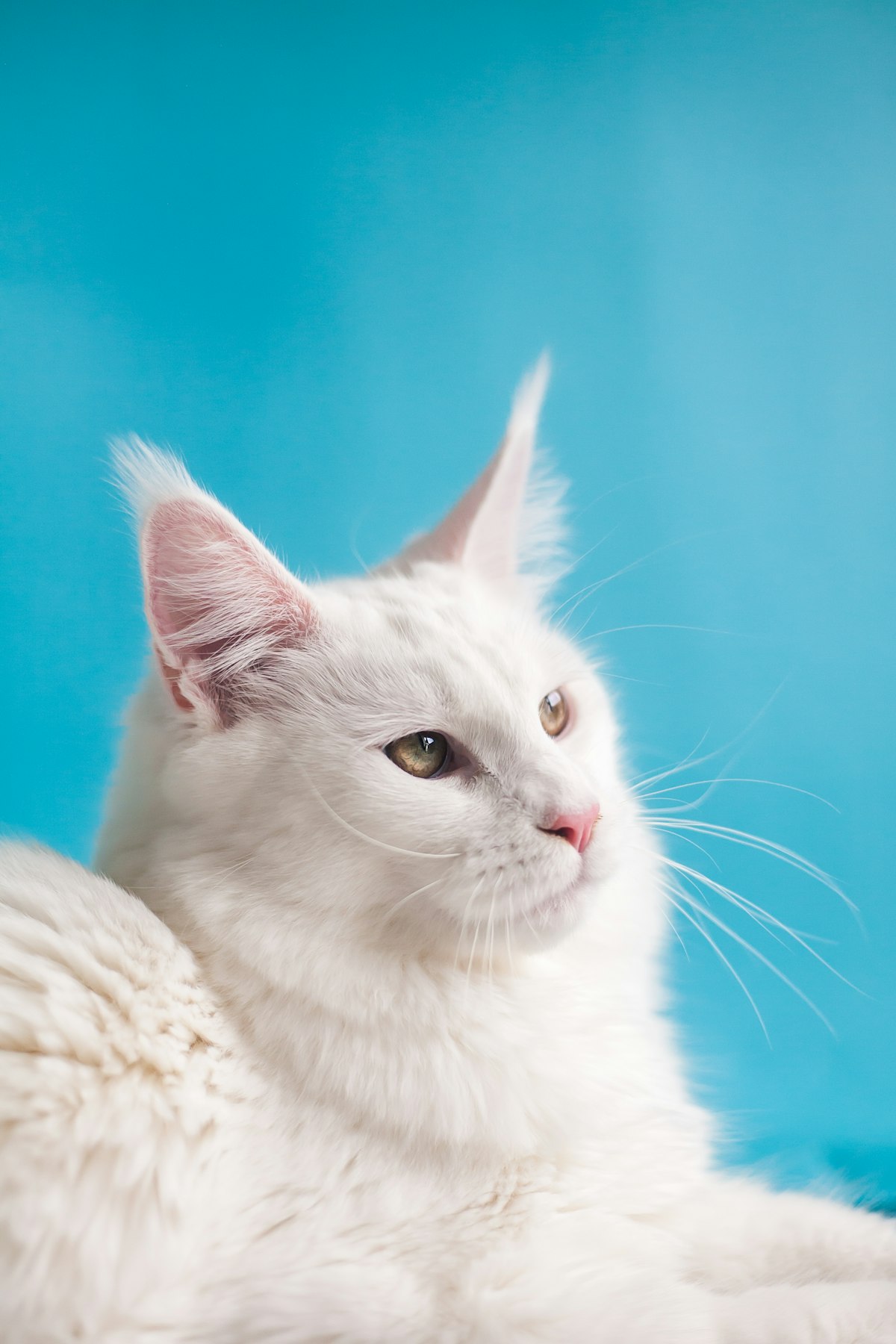
If your days are a blur of meetings, school runs, and late commutes, automatic pet feeders can feel less like a gadget and more like a lifeline. Scheduled feeding is one of the…
Top Picks
- Cat Feeder Laser Automatic — Best Overall: Our "Best Overall" choice in the Automatic Feeders category — a strong fit for busy pet owners.
- Cat Feeder Spring Automatic — Best Portion Control: Our "Best Portion Control" choice in the Automatic Feeders category — a strong fit for busy pet owners.
- Cat Feeder Ball Automatic — Best for Slow Eating: Our "Best for Slow Eating" choice in the Automatic Feeders category — a strong fit for busy pet owners.
- Cat Water Fountain Stainless Steel — Best Water Fountain: Our "Best Water Fountain" choice in the Automatic Feeders category — a strong fit for busy pet owners.
- Cat Lick Mat Slow Feeder — Best Slow Feeder: Our "Best Slow Feeder" choice in the Automatic Feeders category — a strong fit for busy pet owners.
If your days are a blur of meetings, school runs, and late commutes, automatic pet feeders can feel less like a gadget and more like a lifeline. Scheduled feeding is one of the simplest ways to protect your pet’s health, but sticking to precise mealtimes isn’t always possible when life gets unpredictable. An automatic feeder bridges that gap, dispensing the right portion at the right time—whether you’re stuck in traffic, on a late flight, or catching up on much-needed sleep. For both cats and dogs, consistent feeding supports digestion, reduces mealtime stress, and helps manage weight. And for you, it delivers the calm of knowing that—even when you’re not home—dinner still happens on schedule.
The technology behind these devices has evolved dramatically. Early “automatic” feeders were essentially gravity bins that topped off bowls whenever they dipped below a certain level—a recipe for overeating and midnight snacking. Next came mechanical dial timers that could release one portion per day, adequate for short trips but imprecise and prone to jams. Today’s 2026 smart feeders are a leap forward: app-controlled schedules with to-the-minute accuracy, portion sizes measured down to the gram, activity logs that confirm each meal was served, and safeguards like jam detection and pet-proof locking lids. Many connect to 2.4 GHz Wi‑Fi for remote control, store schedules locally so they keep feeding during internet outages, and include battery backups for power cuts. Some models add cameras with two-way audio, so you can check in and offer reassurance, while others use microchip or collar tag recognition to ensure the right pet gets the right meal in multi-pet homes.
For cats, automatic feeders are particularly helpful in delivering small, frequent meals that mimic natural grazing without overfeeding. Timed micro-portions can curb night-time begging and help manage conditions like obesity or diabetes under veterinary guidance. For dogs, reliable breakfast and dinner times can improve housetraining, prevent bloat risk associated with “scarfing,” and set predictable rhythms for families with varied schedules. Modern feeders let you tailor frequency and portion size—say, four small cat meals between 6 a.m. and 9 p.m., or two measured canine meals with a slow-feed mode that dispenses gradually to encourage better chewing. Hopper designs have improved too, with desiccant packs and tight seals to keep kibble fresh, stainless-steel or dishwasher-safe bowls for hygiene, and auger or conveyor mechanisms shaped to handle different kibble sizes without crushing or jamming.
Beyond the convenience, the biggest benefit automatic feeders offer is peace of mind. Low-food and jam alerts ping your phone before a problem becomes a missed meal. Many devices confirm each dispense with a time-stamped log or even a short video clip if a camera is onboard. Schedules persist through daylight saving time, brief outages, and app glitches, so the routine your pet depends on doesn’t falter. If you rely on sitters or neighbors during trips, a feeder standardizes the core job while people handle playtime and litter or walks. For anxious pets, hearing a familiar recorded mealtime call can be surprisingly soothing. For you, it’s one less essential task to worry about—especially on days when you simply can’t be in two places at once.
In this guide from Michelle’s Pet Shop, we map the landscape of the best automatic pet feeders of 2026 for both cats and dogs, focusing on what matters most to busy owners: reliability, portion accuracy, and ease of cleaning. We’ll explain compatibility with different kibble shapes, how to choose hopper capacity for your pet’s size, and which features—like secure lids for food-motivated pets, stainless bowls, dishwasher-safe parts, and child-lock interfaces—translate to trouble-free ownership. We’ll also cover connectivity and privacy considerations, battery versus corded power, and the difference between dry-food feeders and refrigerated or ice-pack models designed for wet food or medications. Whether you need a simple, programmable unit for twice-daily dog meals or a smart, microchip-aware feeder to manage a multi-cat household, this guide will help you pick a device that supports your routine, fits your pet’s needs, and keeps everyone’s schedule on track.
Why Busy Pet Owners Need an Automatic Feeder
Between early meetings, late shifts, errands, and weekend getaways, even the most devoted pet parents can struggle to serve every meal at the same time, in the right amount. Pets thrive on routine; when feeding times swing from dawn one day to late evening the next, you may see problems like begging, anxiety, vomiting bile from long fasts, weight fluctuations, or food guarding. An automatic feeder acts like a reliable “kitchen clock” for your pet, delivering predictable meals with measured portions—no matter what your calendar looks like. The result is a calmer household, a healthier feeding rhythm, and a safety net for those days when life simply refuses to cooperate.
Consistency is the most immediate benefit. Automatic feeders allow you to schedule exact mealtimes down to the minute and to split daily food into multiple small portions. That precision matters: many cats and small dogs feel and digest better with 3–6 mini-meals rather than one or two large servings. Smaller, frequent portions can reduce scarf-and-barf episodes, help stabilize energy, and support gastrointestinal comfort. It also helps with early-morning wake-ups; if your cat expects breakfast at 5:30 a.m., a feeder can deliver it while you sleep, teaching the pet that the machine—not your feet on the floor—is the signal for mealtime.
For shift workers—nurses, pilots, first responders, hospitality pros—an automatic feeder is almost essential. Rotating schedules make it unrealistic to offer meals at the same time every day, and pets don’t understand why dinner is suddenly four hours late. With a feeder, you can preprogram meals for overnight shifts, early mornings, or swing schedules so your pet’s routine stays stable even when yours doesn’t. Many modern models also include a manual feed button for on-demand snacks when you are home and app controls to alter times on the fly when you’re called in unexpectedly.
Frequent travelers and weekend adventurers also gain peace of mind. While an automatic feeder is not a substitute for daily welfare checks, it can dramatically simplify short trips and reduce the burden on pet sitters. Instead of relying on a sitter to measure cups precisely or arrive exactly at dinnertime, the feeder does the timed delivery and portion control, while your sitter focuses on companionship, litter boxes, and water changes. Look for features like large-capacity hoppers, desiccant packs or moisture control to keep kibble fresh, anti-jam augers with alerts, and battery backup so meals dispense even during power blips. Some feeders allow you to record a brief mealtime message; for pets who find comfort in your voice, that cue can ease stress when you’re away.
Automatic feeders can be transformative for pets with medical and dietary requirements. Diabetic cats and dogs, for instance, often do best with meals timed around insulin injections; a feeder helps ensure food is available at consistent intervals, reducing dangerous spikes and dips. Overweight pets benefit from precise portioning in grams, not guesses in scoops—a feeder removes human error and makes weight-loss plans measurable. Pets prone to pancreatitis or acid reflux may feel better with smaller, more frequent meals, which are easy to schedule. For dogs that gulp, certain feeders can dispense slow, staggered portions, encouraging safer pacing. Cats with chronic kidney disease often need consistent access to food without overeating; controlled, frequent small meals can support better hydration and minimize stomach upset. In multi-pet homes where one animal is on a prescription diet and another is not, microchip- or collar tag-activated feeders restrict access so only the intended pet eats that specialized food, preventing diet mix-ups that could trigger flares in allergies or GI issues.
The multi-pet dynamic is another area where automation shines. If your senior cat is bullied off the bowl by a younger roommate, an RFID or microchip feeder creates a protected dining zone. If your dog raids the cat’s dish, a sealed, selective-access feeder thwarts food theft. Keeping each pet on the right recipe and the right amount is not only fair—it’s critical for health when one animal needs calorie restriction, urinary support formulas, or hypoallergenic ingredients.
Behaviorally, a feeder can reduce mealtime stress and begging. Pets quickly learn that food appears from the machine, not from pleading at your plate, which can lessen counter-surfing and table-side theatrics. Predictable delivery reduces resource guarding because the pet doesn’t feel uncertain about when the next meal will come. For anxious animals, the regularity can be genuinely soothing, and for high-energy pets, scheduling a small midday meal can prevent the energy crashes that fuel mischief.
Practical considerations matter too. Many contemporary feeders are designed for hygiene and convenience: food-contact parts that are BPA-free and dishwasher-safe, hoppers that protect against pests, and low-food sensors so you don’t run out unnoticed. If you prefer to keep things offline, non-Wi‑Fi models can still offer robust scheduling, while smart app-integrated units add features like feeding logs and calorie tracking. Backup batteries keep the schedule going during outages, and locking lids or twist-seal reservoirs keep curious paws from breaking into tomorrow’s rations. Always check kibble size compatibility and, for wet food, choose a model with ice packs and sealed trays to maintain freshness.
Ultimately, an automatic feeder isn’t about replacing care—it’s about removing the weakest link in your feeding routine: the clock and the measuring scoop. By standardizing timing and portions, you gain control over weight management, you reduce digestive upsets, and you protect medically sensitive pets from inconsistency. Whether you work nights, juggle school runs, travel frequently, or simply want to give your pet the stability they deserve, the right feeder offers reliable, real-world help every single day.
| Feature | Manual Feeding | Automatic Feeding |
|---|---|---|
| Schedule consistency | Varies with your availability; prone to delays and missed meals. | Programmable to exact times, day after day, even when you’re out. |
| Portion precision | Measured by eye or scoops; human error is common. | Dispenses exact grams or cup fractions for reliable calorie control. |
| Number of meals per day | Usually 1–2 based on convenience. | Easily split into 3–6+ mini-meals for better digestion and satiety. |
| Overnight/early-morning meals | Requires you to wake up or return home at odd hours. | Feeds automatically at dawn, late nights, and during shifts without disruption. |
| Travel friendliness | Relies on sitters arriving on time and measuring correctly. | Automates timing/portioning; sitters can focus on welfare checks and play. |
| Multi-pet diet control | Food stealing and bowl bullying are common challenges. | Microchip/tag access limits ensure only the right pet eats the right food. |
| Medical diet timing | Hard to align meals with insulin or sensitive stomach needs consistently. | Precisely timed meals support diabetes plans, weight loss, and GI comfort. |
| Monitoring & data | No logs; harder to track intake trends. | App logs and alerts reveal patterns and help you adjust calories. |
| Power outage resilience | Not applicable; feeding depends on your presence. | Battery backups keep schedules during outages; some give low-battery alerts. |
| Food freshness/hygiene | Open bowls can stale; inconsistent cleaning routines. | Sealed hoppers, desiccants, and dishwasher-safe parts support freshness. |
| Human error risk | Missed meals, double feeding, or wrong portions are easy mistakes. | Eliminates guesswork; logs confirm when and how much was served. |
How to Choose the Right Automatic Feeder for Your Cat
Selecting the right automatic feeder for your cat involves more than just picking the most high-tech option. It requires understanding your cat’s specific eating habits, your household dynamics, and the physical constraints of the space where the feeder will live. The market offers a wide array of choices, from simple gravity-fed bowls to sophisticated, app-controlled smart devices that recognize individual pets. To make the best choice, you need to evaluate several key factors: the type of feeder, its capacity, power reliability, kibble compatibility, and how it handles multi-pet environments.
First, consider the type of feeder that aligns with your goals. Gravity feeders are the simplest and most affordable; they rely on a hopper that continuously refills the bowl as the cat eats. While convenient for free-feeding, they offer zero portion control, making them unsuitable for cats prone to overeating or obesity. Programmable electronic feeders are a step up, allowing you to set specific meal times and portion sizes using a built-in digital interface. These are excellent for establishing a routine and managing weight, though programming them can sometimes be clunky. Smart or Wi-Fi-enabled feeders offer the highest level of control, letting you manage schedules, adjust portions, and receive feeding logs via a smartphone app. They are ideal for busy owners who want remote access and detailed tracking. Finally, microchip or RFID feeders are specialized devices designed for multi-pet households. They only open for the pet wearing the corresponding tag or microchip, ensuring that prescription diets or specific portions go to the right cat, preventing food theft and dietary mix-ups.
Capacity is another crucial factor. Feeders typically range from holding a few cups to several liters of dry food. A larger capacity means less frequent refilling, which is great for multi-cat homes or owners who travel frequently. However, a massive hopper might not be ideal for a single cat, as the kibble could go stale before it’s consumed. Look for feeders with tight-sealing lids and compartments for desiccant packs to maintain freshness. For most single-cat households, a capacity of 3 to 5 liters strikes a good balance between convenience and food quality.
Power source reliability cannot be overstated. A feeder that relies solely on a wall outlet is vulnerable to power outages, which could leave your cat hungry if you’re not home to intervene. Always look for a feeder with a dual power supply—meaning it plugs into the wall for primary power but has a battery backup (usually D-cell or AA batteries) that kicks in during an outage. This redundancy is essential for peace of mind. Additionally, if you opt for a Wi-Fi model, ensure it has local memory to store the feeding schedule; this way, it will continue to dispense meals even if the internet connection drops.
Kibble size compatibility is a frequently overlooked detail that can lead to frustrating jams. Different feeders use different dispensing mechanisms—such as augers, conveyor belts, or rotating compartments. Check the manufacturer’s specifications for the maximum kibble size the feeder can handle. If your cat eats a large-breed kibble or a uniquely shaped dental diet, a feeder designed only for small, round kibble will likely jam, causing missed meals and potential damage to the motor. Some advanced models feature anti-jam technology that briefly reverses the mechanism to clear blockages, which is a highly recommended feature.
Finally, consider the dynamics of a multi-pet household. If you have several cats, or a mix of cats and dogs, mealtime can become a competitive or stressful event. A standard automatic feeder might dispense food, but it can’t dictate who eats it. In these scenarios, microchip feeders are invaluable. They provide a secure dining experience for the intended pet, protecting them from bullies and ensuring they receive their specific diet. If microchip feeders are out of budget, consider placing standard automatic feeders in separate rooms or elevated locations where only the intended cat can reach them.
By carefully evaluating these factors—feeder type, capacity, power reliability, kibble compatibility, and household dynamics—you can select an automatic feeder that not only simplifies your life but also supports your cat’s health and well-being. It’s an investment in consistency, ensuring that your feline friend is fed the right amount, at the right time, every time.
| Feeder Type | Best For | Pros & Cons |
|---|---|---|
| Gravity Feeder | Cats that can self-regulate their food intake; owners on a tight budget. | Pros: Inexpensive, no power required, simple to use. Cons: No portion control, high risk of overeating and obesity, food can go stale. |
| Programmable Electronic | Owners wanting basic schedule and portion control without needing an app. | Pros: Reliable scheduling, good portion control, often more affordable than smart models. Cons: Interface can be difficult to program, no remote access or alerts. |
| Smart / Wi-Fi Enabled | Busy owners who want remote control, feeding logs, and smartphone alerts. | Pros: Easy app programming, remote dispensing, low-food alerts, feeding history. Cons: Higher price point, relies on home Wi-Fi (though schedules should save locally). |
| Microchip / RFID | Multi-pet households, pets on prescription diets, or preventing food theft. | Pros: Ensures only the designated pet eats, prevents stealing, ideal for medical diets. Cons: Most expensive option, typically smaller capacity, requires pet to wear a tag or be microchipped. |
Key Features Compared: What Matters Most
When evaluating automatic pet feeders, the sheer number of features can be overwhelming. Manufacturers often highlight flashy additions like HD cameras or social media integration, but for the busy pet owner, the most critical features are those that ensure reliability, health, and ease of use. Understanding which features truly matter will help you cut through the marketing noise and select a device that performs its core function flawlessly: feeding your pet the right amount at the right time, every time.
Portion control is arguably the most vital feature of any automatic feeder. Feline obesity is a widespread issue that can lead to severe health problems, including diabetes, joint issues, and a shortened lifespan. A feeder with precise portion control allows you to dispense exact amounts of food, often down to fractions of an ounce or a few grams. This precision is crucial for weight management and for dividing a daily caloric intake into multiple small meals, which better mimics a cat’s natural grazing behavior and aids digestion. When comparing models, look for those that offer small minimum portion sizes, especially if you plan to feed your cat several times a day.
Dual power supply is a non-negotiable feature for reliability. A feeder that relies solely on a wall outlet will fail during a power outage, potentially leaving your pet hungry for hours or even days if you are traveling. A dual power system uses the wall outlet for primary power but seamlessly switches to battery backup (usually D-cell or AA batteries) if the electricity goes out. This redundancy ensures that the feeding schedule is maintained regardless of external circumstances. Always check the battery compartment regularly and replace the batteries as recommended by the manufacturer to ensure the backup system is ready when needed.
Anti-jam technology is another critical reliability feature. Kibble comes in various shapes, sizes, and textures, and it’s not uncommon for pieces to get stuck in the dispensing mechanism. A jammed feeder means a missed meal. Advanced feeders incorporate anti-jam technology, which detects resistance in the motor and briefly reverses the mechanism to dislodge the stuck kibble before resuming the dispensing cycle. This feature significantly reduces the risk of malfunction and provides peace of mind, especially when you are away from home for extended periods.
App integration and Wi-Fi connectivity offer significant convenience for busy owners. A well-designed app allows you to set and adjust feeding schedules remotely, dispense manual meals with a tap, and receive notifications when food is running low or if a jam occurs. More importantly, the app should provide a feeding log, confirming that meals were dispensed successfully. However, it is crucial that the feeder has local memory to store the schedule. If the Wi-Fi drops, the feeder must be able to continue operating based on its internal clock and saved settings. App integration transforms a simple timer into a comprehensive feeding management system.
Voice recording is a feature that, while not strictly essential, can be highly beneficial for many pets. It allows you to record a short audio message (usually 10 seconds) that plays right before the food is dispensed. For anxious pets or those strongly bonded to their owners, hearing a familiar voice calling them to dinner can be comforting and help establish a positive association with the feeder. It also serves as an auditory cue, signaling that mealtime has arrived, which is particularly useful in larger homes where the pet might not hear the kibble hitting the bowl.
Finally, consider the design of the food hopper and bowl. A secure, locking lid is essential to keep clever or food-motivated pets from breaking in and gorging themselves. The hopper should also accommodate desiccant packs to absorb moisture and keep the kibble fresh and crunchy. For the bowl, stainless steel or ceramic options are vastly superior to plastic. Plastic can harbor bacteria in microscopic scratches, leading to feline acne or other skin irritations. Stainless steel is durable, hygienic, and typically dishwasher-safe, making regular cleaning much easier.
| Feature | Importance | How It Helps |
|---|---|---|
| Portion Control | Critical | Prevents obesity by dispensing exact amounts; allows for multiple small meals to aid digestion. |
| Dual Power Supply | Critical | Ensures the feeder continues to operate during power outages via battery backup. |
| Anti-Jam Technology | High | Reverses the motor to clear stuck kibble, preventing missed meals and motor damage. |
| App Integration | High | Provides remote control, low-food alerts, and feeding logs for peace of mind. |
| Voice Recording | Medium | Comforts anxious pets with a familiar voice and serves as an auditory mealtime cue. |
| Secure Lid & Stainless Bowl | High | Prevents break-ins, keeps food fresh, and promotes better hygiene to avoid feline acne. |
Detailed Comparison of Our Top Picks
Navigating the crowded market of automatic pet feeders can be daunting, but we’ve rigorously evaluated the top contenders to bring you the best options for 2026. Our selections prioritize reliability, ease of use, and features that genuinely improve the lives of busy pet owners and their furry companions. Whether you need a comprehensive smart system, precise dietary management, or solutions for fast eaters, our top picks cover the spectrum of feline feeding needs.
Taking the crown for Best Overall is the Cat Feeder Laser Automatic. This model stands out because it seamlessly integrates top-tier smart features with bulletproof reliability. It connects to your home Wi-Fi, allowing you to manage schedules and portion sizes via a highly intuitive smartphone app. What sets it apart is its robust anti-jam mechanism and dual power supply, ensuring that meals are delivered even during power outages or internet drops. The app provides real-time notifications for successful feedings and low food levels, offering unparalleled peace of mind for owners who work long hours or travel frequently. Additionally, it features a secure, locking lid and a high-quality stainless steel bowl, making it both pet-proof and hygienic. It’s the perfect all-rounder for those who want a set-it-and-forget-it solution without compromising on control.
For cats that require strict dietary management, the Cat Feeder Spring Automatic earns our award for Best Portion Control. Feline obesity is a significant health concern, and this feeder tackles it head-on with an incredibly precise dispensing mechanism. It allows you to program micro-portions, dispensing food in increments as small as 1/16th of a cup. This precision is vital for cats on weight-loss plans or those prone to digestive issues from eating too much at once. The interface is straightforward, focusing on accuracy rather than flashy app features, making it highly reliable. If your veterinarian has recommended a strict caloric intake or multiple small meals throughout the day to stabilize blood sugar or improve digestion, this feeder provides the exactitude necessary to follow those instructions flawlessly.
If your cat treats mealtime like a race, the Cat Feeder Ball Automatic is our choice for Best for Slow Eating. Scarfing down food can lead to regurgitation, bloating, and poor digestion. This innovative feeder addresses the problem by dispensing kibble into a specialized puzzle or slow-feed tray rather than a standard open bowl. It forces the cat to work for their food, pawing or nudging the kibble out of ridges and obstacles. This not only slows down their eating pace significantly but also provides valuable mental stimulation, turning mealtime into an engaging activity. It’s an excellent choice for highly food-motivated cats or those who need a bit of extra enrichment during the day while you are away at work.
Hydration is just as critical as nutrition, which is why we’ve included the Cat Water Fountain Stainless Steel as our Best Water Fountain pick. Cats are notoriously poor drinkers, often preferring moving water over stagnant bowls. This fountain encourages increased water intake through a quiet, continuous flow that mimics a natural stream. The stainless steel construction is a major advantage; it’s far more hygienic than plastic, resisting the bacterial buildup that can cause feline acne, and it’s completely dishwasher safe. It features a multi-stage filtration system to remove hair, debris, and bad tastes, ensuring the water is always fresh and appealing. For busy owners, the large capacity means fewer refills, and the clear water-level indicator lets you know at a glance when it’s time to top it up.
Finally, for wet food diets or supplemental treats, the Cat Lick Mat Slow Feeder wins Best Slow Feeder. While not an electronic automatic feeder, it is an essential tool for managing feeding pace and anxiety. You spread wet food, purees, or soft treats across its textured silicone surface, requiring the cat to lick the food out of the grooves. This repetitive licking action releases endorphins, which can significantly calm an anxious cat—perfect for stressful situations like thunderstorms or when you leave for work. It extends the duration of a snack or meal, promotes healthier gums, and is incredibly easy to clean. It’s a simple, low-tech solution that perfectly complements an electronic dry food feeder in a comprehensive feeding strategy.
| Product | Award | Key Benefit | Ideal User |
|---|---|---|---|
| Cat Feeder Laser Automatic | Best Overall | Combines smart app control, anti-jam tech, and dual power for ultimate reliability. | Busy professionals and frequent travelers needing remote management and peace of mind. |
| Cat Feeder Spring Automatic | Best Portion Control | Dispenses highly accurate micro-portions to manage caloric intake strictly. | Owners of overweight cats or pets requiring precise dietary management. |
| Cat Feeder Ball Automatic | Best for Slow Eating | Integrates a puzzle tray to slow down consumption and provide mental stimulation. | Cats prone to "scarf and barf" or those needing extra enrichment during the day. |
| Cat Water Fountain Stainless Steel | Best Water Fountain | Hygienic, dishwasher-safe design that encourages increased water consumption. | All cat owners, especially those with cats prone to urinary tract issues. |
| Cat Lick Mat Slow Feeder | Best Slow Feeder | Calms anxiety through licking and slows down the intake of wet food or treats. | Anxious cats or owners looking to supplement dry food with engaging wet food snacks. |
Common Mistakes When Using Automatic Feeders
Automatic pet feeders are fantastic tools for maintaining a consistent schedule, but they are not entirely foolproof. Many pet owners treat these devices as "set it and forget it" appliances, which can lead to frustrating malfunctions, hygiene issues, or even health problems for their pets. Understanding the common pitfalls associated with automatic feeders is essential for ensuring they operate safely and effectively. By avoiding these frequent mistakes, you can maximize the benefits of the device while keeping your furry friend healthy and happy.
One of the most prevalent mistakes is ignoring the cleaning schedule. Because dry kibble doesn't spoil as quickly as wet food, owners often assume the feeder hopper and dispensing mechanism don't need regular washing. However, kibble is coated in fats and oils that leave a residue on the plastic components. Over time, these oils oxidize and turn rancid, which can alter the taste of the food and cause digestive upset. Furthermore, bacteria and mold can grow in the hopper, especially in humid environments. It is crucial to empty the hopper completely and wash all food-contact parts with warm, soapy water at least once a month. The bowl itself should be washed much more frequently—ideally every few days—to prevent feline acne and bacterial buildup.
Another significant error is relying solely on the feeder without monitoring your pet's actual intake. An automatic feeder dispenses food, but it cannot tell you if your cat actually ate it. If a cat feels unwell, they may stop eating, and if you aren't paying attention, several meals could pile up in the bowl before you notice a problem. Conversely, in a multi-pet household, one pet might be stealing the dispensed food, leaving the intended recipient hungry. While the feeder handles the delivery, you must still visually inspect the bowl daily to ensure the food is being consumed normally. The feeder is a tool to assist you, not a replacement for your daily observation of your pet's health and habits.
Incorrect portion settings are also a frequent source of trouble. Many owners guess the portion size based on the "cups" or "units" listed in the feeder's app, without verifying the actual volume or weight of the dispensed food. Different kibble shapes and densities flow through the mechanism differently. A "portion" of small, round kibble might weigh significantly more than a "portion" of large, irregular kibble. To avoid overfeeding or underfeeding, you must calibrate the feeder. Dispense a few test portions, weigh them on a kitchen scale, and adjust the settings until the output matches your veterinarian's dietary recommendations. Failing to do this can quickly lead to unintended weight gain or loss.
Finally, forgetting to install or replace the battery backup is a mistake that defeats one of the primary safety features of modern feeders. If your feeder is plugged into the wall without backup batteries, a simple power blip or a tripped circuit breaker will stop it from working. If you are away at work or traveling, your pet will miss their meals. Always install fresh, high-quality batteries when you set up the feeder, and replace them according to the manufacturer's schedule—usually every 6 to 12 months. Test the backup system periodically by unplugging the unit to ensure it still dispenses correctly on battery power alone.
| Mistake | Consequence | Solution |
|---|---|---|
| Ignoring Cleaning | Rancid oils build up, causing bad odors, food refusal, and potential bacterial infections or feline acne. | Wash the bowl every few days and deep clean the hopper and dispensing mechanism monthly. |
| Relying Solely on the Feeder | Failing to notice if the pet has stopped eating due to illness, or if another pet is stealing the food. | Visually check the bowl daily to confirm the food is being eaten and monitor your pet's behavior. |
| Incorrect Portion Settings | Unintended weight gain or loss because the dispensed volume doesn't match the required caloric intake. | Calibrate the feeder by weighing test portions on a kitchen scale and adjusting the app settings accordingly. |
| Forgetting Battery Backup | The feeder stops working during a power outage, leaving the pet hungry and disrupting their routine. | Install fresh batteries during setup, replace them every 6-12 months, and test the backup system periodically. |
| Using the Wrong Kibble Size | Frequent jams in the dispensing mechanism, leading to missed meals and potential motor damage. | Check the manufacturer's specifications and only use kibble sizes that are compatible with the feeder. |
Care, Maintenance, and Usage Tips
To get the most out of your automatic pet feeder and ensure it operates reliably for years, establishing a routine maintenance schedule is essential. These devices handle food daily, and neglecting their upkeep can lead to mechanical failures, rancid food, and potential health issues for your pet. Proper care goes beyond just wiping down the outside; it involves deep cleaning the internal components, managing food freshness, and regularly verifying the device's functionality. By integrating these simple tasks into your household routine, you can prevent the vast majority of common feeder problems.
Daily maintenance is straightforward but crucial. Every day, you should visually inspect the feeding bowl. Ensure that the previous meal was consumed; leftover kibble can be an early indicator of illness, stress, or a problem with the food itself. If you notice crumbs or saliva buildup, wipe the bowl clean with a damp paper towel. This quick check also confirms that the feeder dispensed the food correctly and hasn't jammed. If your feeder has a stainless steel or ceramic bowl insert, it’s best practice to swap it out for a clean one every day or two, just as you would with a traditional food bowl, to prevent bacterial growth and feline acne.
Weekly tasks focus on the immediate food supply and the device's exterior. Check the kibble level in the hopper to ensure you have enough food for the upcoming week, preventing the dreaded "empty hopper" alert while you're at work. Wipe down the exterior of the feeder, including the control panel and the chute where the food drops, using a pet-safe cleaner or a mild soap solution. Dust and pet hair can accumulate around the base and the dispensing chute, potentially interfering with infrared sensors that detect food levels or blockages. Keeping these areas clean ensures the sensors function accurately.
Monthly maintenance requires a more thorough approach. Once a month, let the hopper run completely empty, or empty the remaining kibble into a temporary container. Disassemble the food-contact parts—this typically includes the hopper, the lid, the internal auger or dispensing wheel, and the bowl. Wash all these components in warm, soapy water. This step is vital because dry kibble leaves behind oils that oxidize and turn rancid over time, which can taint fresh food and cause digestive upset. Allow all parts to air dry completely before reassembling; any residual moisture can cause the new kibble to mold or clump, leading to severe jams. This is also the time to replace the desiccant pack located in the lid, which absorbs ambient moisture and keeps the kibble crunchy and fresh.
Finally, perform a quarterly system check. Every three to six months, inspect the battery backup. Even if the power hasn't gone out, batteries degrade over time. Unplug the feeder from the wall and manually trigger a feeding to ensure the batteries can successfully power the motor. If the motor sounds sluggish, replace the batteries immediately. Additionally, review the feeding schedule in the app. As pets age or their activity levels change, their caloric needs fluctuate. Adjust the portion sizes or feeding times in consultation with your veterinarian to ensure the feeder continues to support your pet's optimal weight and health.
| Frequency | Task | Why It Matters |
|---|---|---|
| Daily | Visually inspect the bowl and wipe away crumbs or saliva. | Confirms the pet is eating normally, verifies the feeder dispensed correctly, and maintains basic hygiene. |
| Weekly | Check food levels and wipe down the exterior and dispensing chute. | Prevents the hopper from running empty and keeps sensors clear of dust and pet hair for accurate operation. |
| Monthly | Empty the hopper, wash all internal parts with soapy water, dry completely, and replace the desiccant pack. | Removes rancid oils that can spoil food, prevents mold growth, and ensures kibble stays fresh and crunchy. |
| Quarterly | Test the battery backup by unplugging the unit, and review the feeding schedule/portions. | Guarantees the feeder will work during a power outage and ensures the diet still matches the pet's current health needs. |
When to Consult a Veterinarian About Your Cat's Diet
While automatic feeders are exceptional tools for maintaining a consistent feeding schedule and managing portion control, they are not a substitute for professional veterinary oversight. A feeder can deliver the food flawlessly, but it cannot diagnose why your cat might be ignoring that food or reacting poorly to it. As a pet owner, your daily observations are the first line of defense in identifying potential health issues. Understanding when a change in eating habits warrants a trip to the vet is crucial for catching underlying conditions early, before they become severe or life-threatening.
One of the most urgent signs that you need to consult a veterinarian is a sudden refusal to eat. If your cat, who normally rushes to the feeder at the sound of the motor, leaves their meals untouched for more than 24 hours, it is a medical emergency. Cats that stop eating are at a high risk of developing hepatic lipidosis (fatty liver disease), a potentially fatal condition that can onset rapidly. Refusal to eat can be a symptom of numerous issues, ranging from dental pain and gastrointestinal blockages to kidney disease or severe stress. Do not assume they are simply being picky; prompt veterinary intervention is required to determine the cause and provide supportive care.
Vomiting after meals is another red flag that requires professional attention. Occasional regurgitation—often caused by eating too quickly (the "scarf and barf" phenomenon)—can sometimes be managed by programming your feeder to dispense smaller, more frequent meals or using a slow-feed attachment. However, if the vomiting is frequent, forceful, or accompanied by lethargy, diarrhea, or weight loss, it indicates a more significant problem. It could be a sign of food allergies, inflammatory bowel disease, pancreatitis, or an obstruction. A veterinarian can perform the necessary diagnostics, such as blood work or imaging, to pinpoint the issue and recommend an appropriate therapeutic diet or treatment plan.
Unexplained weight changes, despite a strictly controlled diet via your automatic feeder, should also prompt a vet visit. If you have calibrated the feeder correctly and your cat is losing weight rapidly, it could signal hyperthyroidism, diabetes, or intestinal parasites. Conversely, if your cat is gaining weight despite being on a restricted calorie plan, they may have a metabolic issue or require a different type of prescription food. Your veterinarian can help you adjust the caloric intake accurately and rule out any systemic diseases that are affecting your cat's metabolism.
Finally, pay attention to changes in water consumption. If you notice your cat is draining their water fountain much faster than usual, or if they are constantly hovering around the water bowl, it is a classic symptom of several serious feline diseases, including chronic kidney disease and diabetes mellitus. Increased thirst is often accompanied by increased urination, which you may notice when cleaning the litter box. These conditions require specific dietary management—often involving a transition to specialized wet foods—and medical treatment that only a veterinarian can prescribe. Always consult your vet before making drastic changes to your cat's diet, especially if you suspect an underlying health issue.
| Symptom | Possible Cause | Action Required |
|---|---|---|
| Refusal to Eat (Anorexia) | Dental pain, GI blockage, kidney disease, stress, or onset of hepatic lipidosis. | Seek immediate veterinary care if the cat has not eaten for 24 hours; this is a medical emergency. |
| Frequent Vomiting After Meals | Eating too fast, food allergies, inflammatory bowel disease, or pancreatitis. | Consult a vet to rule out disease; if cleared, adjust the feeder to dispense smaller, more frequent meals. |
| Rapid Weight Loss | Hyperthyroidism, diabetes, parasites, or inadequate caloric intake. | Schedule a vet exam for bloodwork and a professional reassessment of the daily caloric requirement. |
| Excessive Thirst (Polydipsia) | Chronic kidney disease, diabetes mellitus, or hyperthyroidism. | Consult a vet immediately; may require a transition from dry kibble to a specialized prescription wet diet. |
Frequently Asked Questions
What features should I look for in a 2026 automatic pet feeder for cats and dogs?
Prioritize reliable scheduling (at least 1–10 meals per day), precise portion control with small increments, and a hopper sized to your pet’s diet and refill routine. Look for Wi-Fi with an app that stores schedules locally so feeding continues without internet, plus battery backup. Helpful extras include anti-jam design, desiccant to keep kibble dry, stainless-steel or dishwasher-safe bowls, tamper-resistant lids, and low-food sensors. For multi-pet homes, consider microchip/RFID access control; cameras and two-way audio are nice-to-have, not essential.
Will an automatic feeder keep working during power or internet outages?
Many modern feeders store the schedule on the device and will dispense on time without Wi-Fi. Choose a model with battery backup (D-cells or rechargeable pack) so it runs during a power cut. Test before traveling by unplugging the unit and turning off your router to confirm meals still dispense. Replace or recharge backup batteries regularly, and avoid feeders that rely solely on cloud timing. Expect app notifications and video features to pause while offline, but feeding should continue.
Can automatic feeders handle wet food or raw diets?
Most automatic feeders are designed for dry kibble only. For wet or raw food, use a compartment or rotating feeder with ice packs or active cooling, and plan short windows—typically 6–12 hours with ice, less at warm room temperatures. Clean bowls and trays after each use to prevent bacterial growth. Do not leave raw food out beyond safe handling guidelines, and avoid gravity hoppers for anything moist or oily.
How accurate are portion sizes, and how can I calibrate them?
Portion accuracy varies by kibble shape and size; expect about ±5–10% with auger-style feeders. Start by dispensing a typical meal onto a kitchen scale, weigh it, and adjust the app’s portion setting until the average of 3–5 test runs matches your target. If the feeder supports grams, use that instead of “portion units” for consistency. Use kibble within the manufacturer’s size spec (often about 2–15 mm) to minimize jams and inconsistency, and avoid very oily or irregular pieces.
How do I stop one pet from stealing food and prevent tipping or break-ins?
For multi-pet households, choose a feeder or bowl with microchip/RFID access so only the intended pet can eat. Place the feeder in a quiet, low-traffic area and consider feeding pets in separate rooms when schedules overlap. Pick a model with a locking lid, a heavy or mountable base, and a chute that resists pawing. Offer multiple smaller meals to reduce food guarding and bingeing, and supervise initial use to train good habits.
Shop all Cat Feeding & Watering