Best Toys for German Shepherds: Tough Picks for 2026
By Michelle — Michelle's Pet Shop. Published April 20, 2026. 19 min read.
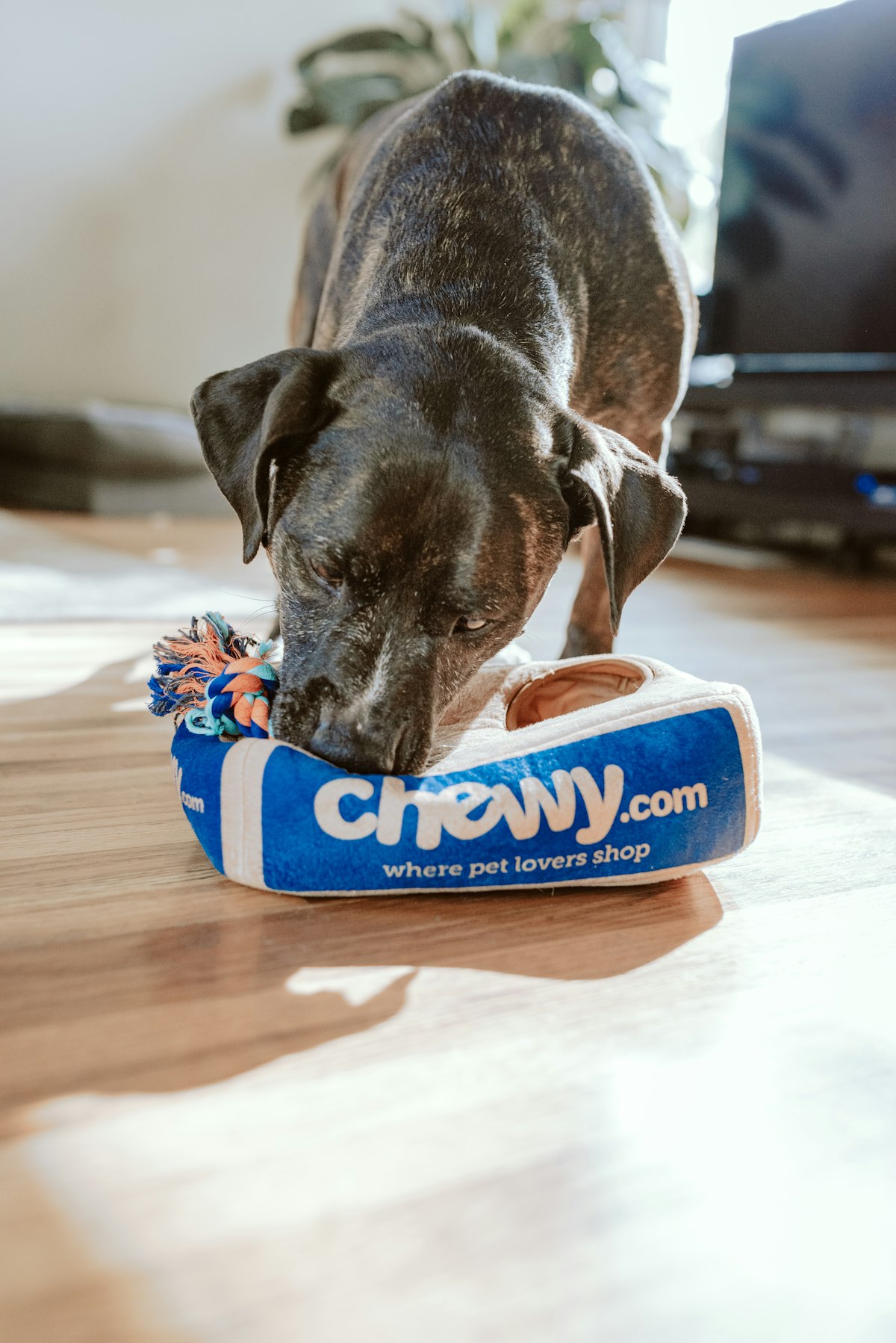
Looking for the perfect playtime companions for your energetic pup? Our 2026 buying guide to the best dog toys for German Shepherds covers everything from indestructible chewers to brain-teasing puzzles. Discover top-rated options designed to keep your intelligent and active companion engaged, happy, and healthy.
Top Picks
- Kong Classic Dog Toy — Best Overall: Its legendary durability and versatile treat-stuffing design make it the ultimate all-around choice for heavy chewers and intelligent dogs alike.
- Dog Chew Toy Natural Rubber — Best Chew: Crafted from ultra-tough natural rubber, this toy withstands the immense jaw pressure of a German Shepherd while promoting dental health.
- Outward Hound Puzzle Toy — Best Puzzle: This intricate puzzle challenges the working-dog intellect of a German Shepherd, preventing boredom and destructive behaviors through rewarding mental stimulation.
- Chuckit Ball Launcher — Best for Fetch: It allows owners to throw further with less effort, providing the high-intensity cardiovascular exercise that this athletic breed requires.
- Dog Toy Training Interactive — Best for Training: Designed specifically for engagement and reward, this interactive toy is an indispensable tool for obedience training and strengthening the handler-dog bond.
Welcome to our comprehensive 2026 buying guide dedicated to finding the absolute best playtime companions for one of the most intelligent, loyal, and powerful breeds in the world. German Shepherds are renowned for their incredible work ethic, protective instincts, and boundless energy. Whether they are serving in law enforcement, assisting individuals with disabilities, or simply acting as a devoted family guardian, these dogs require a significant amount of physical exercise and mental stimulation to remain happy and well-adjusted. Without the proper outlets for their energy, a German Shepherd can quickly become bored, anxious, and destructive. That is exactly why selecting the right Dog Toys is not just a matter of fun, but a crucial component of their overall health and well-being.
In this extensive guide, we will delve deep into the specific needs of the breed, exploring the mechanics of their impressive bite force, their psychological need for a "job," and the types of materials that can actually withstand their rigorous play style. We have rigorously evaluated countless products on the market to bring you our top selections for the year. From indestructible chew items that satisfy their natural urges to complex puzzles that challenge their sharp minds, we cover every category essential for a well-rounded canine lifestyle. We will also discuss safety protocols, playtime frequency, and how to integrate these tools into your daily training regimen. Let us embark on this journey to enrich your German Shepherd's life through the power of play.
Why Do German Shepherds Need Specialized Toys?
To truly understand why a standard, run-of-the-mill plush toy will not survive five minutes with a German Shepherd, one must look at the breed's history and physical characteristics. Originally bred in late 19th-century Germany by Captain Max von Stephanitz, the German Shepherd was designed to be the ultimate herding and working dog. They possess a remarkable combination of strength, agility, and intelligence. Their jaws are incredibly powerful, capable of exerting a bite force of approximately 238 pounds per square inch (PSI). This immense pressure means that toys made from cheap plastics, thin vinyl, or standard fabrics are quickly shredded, posing a severe choking hazard or the risk of gastrointestinal blockages if ingested.
Beyond their physical strength, German Shepherds have a profound psychological need for engagement. They are classified as a working breed, which means they are genetically predisposed to desire a "job" or a task to complete. When a German Shepherd is left alone in a backyard with nothing to do, they will often invent their own jobs, which usually involve digging up the garden, chewing on furniture, or excessive barking. Specialized toys serve as a surrogate job. A complex puzzle toy requires them to use their problem-solving skills, while a durable chew toy provides a focused outlet for their natural chewing instincts. Providing the right toys is a proactive measure against behavioral issues.
Furthermore, interactive play is a fundamental way to build and strengthen the bond between a German Shepherd and their owner. These dogs are fiercely loyal and thrive on interaction with their human pack. Toys that facilitate cooperative play, such as tug ropes (used under strict supervision) or fetch items, allow for structured engagement. This interaction not only burns off physical energy but also reinforces the owner's position as the leader and provider of resources. It is important to remember that while toys are essential, they are not a substitute for your time and attention. Always consult your veterinarian if you notice any sudden changes in your dog's chewing habits or if you suspect they have ingested a foreign object.
Let us examine the core reasons why specialized toys are non-negotiable for this breed. The table below outlines the primary physical and psychological traits of the German Shepherd and how specific toy categories address these traits.
| Breed Trait | Associated Challenge | Ideal Toy Solution |
|---|---|---|
| High Bite Force (238 PSI) | Rapid destruction of standard toys; ingestion risks | Heavy-duty natural rubber chew toys; solid nylon bones |
| Working Dog Intelligence | Boredom leading to destructive behaviors (digging, chewing) | Advanced puzzle feeders; interactive treat-dispensing toys |
| High Energy Levels | Restlessness; anxiety; weight gain if under-exercised | Ball launchers for long-distance fetch; durable frisbees |
| Strong Prey Drive | Chasing inappropriate objects (cars, wildlife) | Flirt poles; squeaky toys that mimic prey (used supervised) |
| Loyalty & Pack Mentality | Separation anxiety when left alone | Comforting chew toys; long-lasting stuffed puzzle toys |
What Should You Look For in Dog Toys for German Shepherds?
When navigating the vast market of canine accessories, it is easy to be overwhelmed by the sheer volume of options. However, when shopping for a German Shepherd, your criteria must be exceptionally stringent. The first and most critical factor is material durability. You must actively seek out toys constructed from heavy-duty, non-toxic natural rubber or specialized tough nylon. Avoid anything made of thin latex, cheap plastic, or standard plush fabrics, unless the plush toy is specifically designed with reinforced Kevlar stitching and is intended strictly for supervised play. Even then, a determined German Shepherd can often breach the toughest fabrics in a matter of minutes.
Size is another paramount consideration. A toy that is too small poses a significant choking hazard. German Shepherds have large mouths and wide airways. A ball that is the size of a standard golf ball or even a small tennis ball can easily become lodged in their throat, leading to a life-threatening emergency. Always opt for toys that are appropriately sized for a large breed. If you are unsure, it is always safer to err on the side of a larger toy. As a general rule, the toy should be large enough that the dog cannot fit the entire object behind their molars.
The design and shape of the toy also play a crucial role in its longevity and safety. Toys with complex shapes, thin protrusions, or multiple attached parts are generally more vulnerable to being chewed off and swallowed. Smooth, rounded shapes, such as solid spheres or thick cylinders, are much harder for a dog to get a destructive grip on. Furthermore, consider the toy's intended purpose. Is it meant for independent chewing, interactive fetch, or mental stimulation? A toy designed for fetch is not necessarily designed to withstand hours of focused chewing. It is vital to use the toy as the manufacturer intended and to supervise your dog during the initial introduction of any new item.
The table below summarizes the key criteria to evaluate when selecting toys for this demanding breed.
| Evaluation Criteria | What to Look For | What to Avoid |
|---|---|---|
| Material Durability | Thick natural rubber, tough nylon, reinforced stitching | Thin latex, cheap plastics, standard plush, brittle materials |
| Appropriate Size | Large enough to prevent swallowing or lodging in the throat | Small balls, toys meant for small breeds, easily swallowed parts |
| Safety & Toxicity | BPA-free, phthalate-free, non-toxic, reputable brands | Strong chemical smells, unverified overseas manufacturers |
| Design Integrity | Solid construction, smooth edges, minimal protrusions | Glued-on parts, squeakers that can be easily extracted, sharp edges |
| Ease of Cleaning | Dishwasher safe, easy to scrub, no inaccessible crevices | Porous materials that trap bacteria, complex internal chambers |
Best Overall: KONG Classic Dog Toy
When discussing the absolute pinnacle of canine enrichment, it is impossible not to highlight the KONG Classic Dog Toy. This iconic, snowman-shaped marvel has been a staple in the pet industry for decades, and for good reason. For a German Shepherd, it represents the perfect intersection of durability, mental stimulation, and versatility. Earning our "Best Overall" award, this toy is constructed from a proprietary, ultra-durable natural rubber compound that is specifically engineered to withstand the punishing bite force of large, powerful breeds. While no toy is truly indestructible, the KONG Classic comes remarkably close, providing a safe and satisfying outlet for your dog's natural urge to chew.
The true genius of the KONG Classic lies in its hollow center. This simple design feature transforms a durable chew toy into a highly effective puzzle feeder. By stuffing the interior with a mixture of your dog's daily kibble, wet food, peanut butter (ensure it is xylitol-free), or specialized KONG treats, you create a time-consuming challenge that engages your German Shepherd's powerful sense of smell and problem-solving abilities. For an added layer of difficulty and to soothe sore gums in teething puppies, the stuffed KONG can be frozen overnight. A frozen KONG can keep a determined German Shepherd occupied for upwards of 45 minutes, providing invaluable mental exhaustion that rivals a long walk.
Beyond its utility as a chew and puzzle toy, the KONG Classic is also an excellent tool for interactive play. Its unique shape gives it an unpredictable, erratic bounce when thrown, which triggers a dog's natural prey drive and makes games of fetch significantly more exciting than with a standard round ball. This erratic movement forces the dog to make sudden directional changes, enhancing their agility and coordination. Furthermore, the natural rubber is relatively soft on the dog's mouth upon catching, reducing the risk of dental trauma compared to catching hard plastic or wooden objects.
To ensure you are maximizing the benefits of this exceptional product, we have compiled a comparison of different stuffing strategies based on your dog's experience level.
| Difficulty Level | Stuffing Strategy | Best For |
|---|---|---|
| Beginner | Loose dry kibble mixed with a few high-value treats; unsealed. | Puppies; dogs new to puzzle toys; quick rewards. |
| Intermediate | Kibble mixed with wet food or plain yogurt; sealed with peanut butter. | Adult dogs; crate training; moderate engagement. |
| Advanced | Tightly packed mixture of wet/dry food, sealed, and frozen solid. | High-energy dogs; separation anxiety management; long duration. |
| Expert | Layered freezing (e.g., broth, meat chunks, kibble) for varied textures. | Power chewers; highly intelligent dogs needing maximum stimulation. |
Best Chew: Natural Rubber Dog Chew Toy
Chewing is not merely a pastime for a German Shepherd; it is a deeply ingrained biological necessity. It helps relieve stress, mitigates boredom, and plays a crucial role in maintaining dental hygiene by scraping away plaque and tartar buildup. However, finding a chew toy that can survive the jaws of this breed is a formidable challenge. That is why the Natural Rubber Dog Chew Toy has earned our "Best Chew" award. This product is engineered specifically for power chewers, utilizing a high-density, industrial-strength natural rubber that offers exceptional resistance to puncturing and tearing.
Unlike hard nylon bones, which can sometimes be too rigid and pose a risk of fracturing a dog's teeth, this natural rubber chew provides a slight "give." This elasticity is vital; it allows the dog to sink their teeth into the material, satisfying the tactile sensation of chewing, without the jarring impact that can lead to expensive veterinary dental bills. The textured surface of the toy further enhances its dental benefits. As the dog gnaws, the raised ridges and nubs work like a toothbrush, massaging the gums and helping to dislodge food particles. For optimal dental health, always ensure your dog has regular check-ups with their veterinarian.
The design of this chew toy is intentionally robust. It avoids thin appendages or complex shapes that provide easy leverage points for a dog to tear off chunks. Instead, it features a solid, substantial core that forces the dog to gnaw rather than bite through. This gnawing action is exactly what you want to encourage, as it is safe and highly satisfying for the animal. Furthermore, the natural rubber material is non-toxic and free from harmful chemicals, providing peace of mind for the owner. It is also highly resilient to outdoor conditions, meaning it will not become brittle if left in the sun or crack in freezing temperatures.
To help you understand the landscape of chew toys, we have compared the natural rubber option against other common materials found in the Dog Toys category.
| Material Type | Durability for GSDs | Dental Safety | Pros & Cons |
|---|---|---|---|
| High-Density Natural Rubber | Excellent | High (provides safe "give") | Pros: Durable, safe, satisfying. Cons: Can be heavy. |
| Hard Nylon | Very Good | Moderate (risk of tooth fracture) | Pros: Long-lasting. Cons: Too hard for some dogs; sharp edges when chewed. |
| Rawhide | Poor | Low (choking/blockage hazard) | Pros: Cheap. Cons: Highly dangerous; chemical processing; not recommended. |
| Real Animal Bones | Variable | Low (splintering risk) | Pros: Natural. Cons: Cooked bones splinter easily; raw bones carry bacterial risks. |
Best Puzzle: Outward Hound Puzzle Toy
German Shepherds are consistently ranked among the top three most intelligent dog breeds in the world. This profound cognitive ability means that physical exercise alone is rarely enough to fully exhaust them. They require mental challenges to prevent boredom, anxiety, and the development of neurotic behaviors. This is where the Outward Hound Puzzle Toy excels, rightfully earning our "Best Puzzle" designation. This interactive game is designed to test your dog's problem-solving skills, requiring them to use their nose, paws, and intellect to uncover hidden rewards.
The beauty of this puzzle toy lies in its multi-step complexity. Unlike simple treat dispensers that merely require the dog to roll the toy around, this puzzle demands sequential actions. The dog must learn to slide compartments, lift flaps, or press levers in a specific order to access the kibble or treats hidden within. This process mimics the foraging and problem-solving behaviors their ancestors utilized in the wild. Engaging in this type of focused, cognitive work is incredibly tiring for a dog. Just 15 minutes of intense puzzle-solving can burn as much mental energy as a three-mile walk.
Introducing a puzzle toy requires patience and active participation from the owner. You cannot simply fill the toy, place it on the floor, and walk away. A German Shepherd, if frustrated, may attempt to bypass the puzzle mechanics by simply chewing through the plastic to get to the food. Therefore, these toys must always be used under strict supervision. Begin by making the puzzle very easy—leave compartments partially open so the dog understands the concept of the reward. As they master the basic mechanics, gradually increase the difficulty. This shared activity not only stimulates the dog's mind but also strengthens the communicative bond between you and your pet.
To maximize the effectiveness of puzzle toys, it is beneficial to rotate them and understand the different levels of difficulty available.
| Puzzle Level | Mechanics Involved | Ideal For |
|---|---|---|
| Level 1 (Beginner) | Simple lifting of cups or sliding of one-step covers. | Puppies; dogs with no prior puzzle experience. |
| Level 2 (Intermediate) | Multiple steps required; sliding blocks to unlock other compartments. | Most adult German Shepherds; dogs who have mastered Level 1. |
| Level 3 (Advanced) | Sequential steps; turning dials, pulling drawers, and sliding locks. | Highly intelligent dogs; experienced puzzle solvers. |
| Level 4 (Expert) | Complex multi-layered puzzles requiring sustained focus and varied actions. | Working line GSDs; dogs needing extreme mental fatigue. |
Best for Fetch: Chuckit! Ball Launcher
German Shepherds are athletic powerhouses. They possess a deep-chested build and muscular hindquarters designed for endurance and speed. To keep their cardiovascular system healthy and their muscles toned, they require vigorous, high-intensity exercise. A simple walk around the block is insufficient. This is where the Chuckit! Ball Launcher becomes an absolute game-changer, earning our "Best for Fetch" award. This ingenious tool acts as an extension of your arm, allowing you to throw a ball significantly further and faster than you ever could manually, providing the long-distance sprinting your dog craves.
The biomechanical advantage of the launcher is twofold. First, it allows the owner to achieve incredible throwing distances with minimal physical exertion. This is particularly beneficial for owners who may have shoulder or elbow issues, or simply for those who want to tire out their dog without exhausting themselves. Second, the launcher features a hands-free pickup mechanism. Anyone who has played fetch with a German Shepherd knows that the ball quickly becomes coated in a thick layer of dirt and saliva. The launcher allows you to scoop the ball directly from the ground, keeping your hands clean and the game moving continuously.
When using a ball launcher, the choice of ball is just as important as the launcher itself. Standard tennis balls are highly discouraged for German Shepherds. The abrasive felt covering acts like sandpaper on their teeth, gradually wearing down the enamel over time. Furthermore, the hollow core of a tennis ball can easily be crushed by their powerful jaws, creating a severe choking hazard. Always pair your launcher with a solid, high-quality rubber ball designed specifically for large breeds. These rubber balls are durable, gentle on the teeth, and often feature high-visibility colors or erratic bounce patterns to further engage the dog's prey drive.
To ensure safe and effective fetch sessions, consider the following comparison of ball types commonly used with launchers.
| Ball Type | Durability | Dental Safety | Recommendation |
|---|---|---|---|
| Solid Rubber Ball (e.g., Chuckit! Ultra) | Excellent | High (smooth surface, no abrasion) | Highly Recommended. Best combination of safety and durability. |
| Standard Tennis Ball | Poor | Low (abrasive felt wears down enamel) | Not Recommended. Choking hazard and bad for teeth. |
| Squeaky Plastic Ball | Moderate | Moderate (can crack under pressure) | Use with Caution. Monitor closely for cracking or broken squeakers. |
| Glow-in-the-Dark Rubber Ball | Very Good | High | Recommended for evening play sessions. |
Best for Training: Interactive Training Dog Toy
Training a German Shepherd is not an optional activity; it is a fundamental requirement for responsible ownership. These dogs are large, powerful, and highly intelligent. Without proper guidance and obedience training, their natural instincts can manifest as problematic behaviors. The Interactive Training Dog Toy is our top pick for the "Best for Training" category because it serves as a high-value reward that bridges the gap between work and play. In professional dog training, particularly in working disciplines like Schutzhund or search and rescue, a specialized toy is often used as the ultimate jackpot reward, surpassing even the highest-value food treats.
This interactive toy is designed to facilitate cooperative engagement between the handler and the dog. It is typically a durable tug-style toy or a specialized bumper that the dog is allowed to bite and pull on only as a reward for executing a command correctly. This taps into the German Shepherd's natural prey and tug drives in a controlled, constructive manner. When the dog performs a flawless recall or holds a complex stay command, the sudden presentation of the training toy and a brief, intense game of tug reinforces the behavior far more effectively than a static food reward. It builds enthusiasm and a desire to work for the handler.
Crucially, a training toy must be treated differently than everyday chew toys. It should never be left lying around the house for the dog to access freely. Its value lies in its scarcity. The dog should only see and interact with this toy during active training sessions. When the session is over, the toy is put away out of sight. This maintains the toy's status as a highly coveted prize. If the dog has constant access to it, the toy loses its novelty and its power as a motivational tool. This principle of resource control is a cornerstone of effective canine leadership and training.
To effectively integrate toys into your training regimen, consider the hierarchy of rewards outlined below.
| Reward Type | Value Level | Best Used For |
|---|---|---|
| Standard Dry Kibble | Low | Luring basic positions (sit, down) in a low-distraction environment. |
| Soft Training Treats (e.g., liver) | Medium | Reinforcing known commands in moderate-distraction environments. |
| Real Meat / Cheese | High | Teaching complex new behaviors or working in high-distraction areas. |
| Interactive Training Toy (Tug/Bumper) | Ultimate (Jackpot) | Rewarding exceptional performance, building drive, and fast recalls. |
How Much and How Often Should Your German Shepherd Play?
Understanding the appropriate volume and frequency of play is just as important as selecting the right toys. A common misconception is that a German Shepherd needs to be run to the point of absolute exhaustion every single day. While they are a high-energy breed, over-exercising, particularly with high-impact activities like fetch or agility, can lead to chronic joint issues and repetitive strain injuries. The goal should be a balanced routine that incorporates physical exertion, mental stimulation, and adequate periods of rest. A well-structured day prevents the dog from becoming an over-aroused athlete who cannot settle down in the house.
For a healthy adult German Shepherd, a general guideline is to provide at least 90 minutes to 2 hours of dedicated activity per day. However, this should not be a continuous two-hour block of intense fetch. It should be broken up into varied sessions. For example, a 45-minute brisk walk or jog in the morning provides steady-state cardiovascular exercise and olfactory stimulation (sniffing). In the afternoon, a 15-to-20-minute session of high-intensity fetch with the ball launcher can burn off explosive energy. Finally, in the evening, a 20-minute session with a complex puzzle toy or a stuffed chew toy provides the mental fatigue necessary for a restful night.
Puppies and senior dogs require significantly different routines. A German Shepherd puppy's joints and growth plates are still developing and are highly susceptible to damage. Forced exercise, such as long runs or repetitive jumping, should be strictly avoided until the dog is fully mature (usually around 18 to 24 months of age). Play for puppies should consist of short, frequent bursts of low-impact activity, heavily focused on socialization and basic training. Senior dogs, on the other hand, may suffer from arthritis or decreased stamina. Their play should be gentle, focusing more on mental stimulation through puzzle toys and short, leisurely walks. Always consult your veterinarian to tailor an exercise plan specific to your dog's age, health status, and physical condition.
The following table provides a suggested framework for balancing physical and mental activities throughout the day for a healthy adult German Shepherd.
| Time of Day | Activity Type | Duration | Primary Benefit |
|---|---|---|---|
| Morning | Brisk Walk / Light Jog | 45 - 60 mins | Cardiovascular health; olfactory enrichment; establishing routine. |
| Mid-Day | Interactive Training / Tug | 10 - 15 mins | Reinforcing obedience; building handler focus; quick energy burn. |
| Late Afternoon | High-Intensity Fetch | 15 - 20 mins | Explosive energy release; sprinting; satisfying prey drive. |
| Evening | Puzzle Toy / Stuffed Chew | 20 - 30 mins | Mental fatigue; calming down; independent problem-solving. |
Putting It All Together
Owning a German Shepherd is a significant commitment that requires time, energy, and a deep understanding of the breed's unique characteristics. They are not a dog that can be left to their own devices; they demand active engagement and structured guidance. By investing in the right tools, specifically high-quality, durable toys, you are investing in your dog's physical health, mental well-being, and behavioral stability. The toys we have highlighted in this 2026 guide represent the best options available for meeting the rigorous demands of this incredible breed.
Remember that variety is the spice of life, even for dogs. Do not rely on a single toy to meet all of your German Shepherd's needs. Build a diverse toy box that includes heavy-duty chew toys for independent downtime, complex puzzle feeders for cognitive challenges, and interactive tools like ball launchers and tugs for cooperative play and training. Rotate these toys regularly to maintain their novelty and keep your dog engaged. A toy that has been hidden away for a week will be greeted with the same enthusiasm as a brand-new purchase.
Safety must always remain your top priority. Regularly inspect every toy in your collection for signs of wear, tear, or structural weakness. A small crack in a rubber toy can quickly become a large piece that is swallowed, leading to a veterinary emergency. If a toy is damaged, discard it immediately. Furthermore, always supervise your dog when introducing a new toy or when they are engaging with items that have the potential to be destroyed. Your vigilance is their best protection.
Ultimately, the most valuable "toy" your German Shepherd has is you. These dogs were bred to work alongside humans, and they derive their greatest satisfaction from your companionship and approval. Use these toys not as a substitute for your attention, but as a medium to enhance your interactions. Play together, train together, and build a bond based on mutual respect and understanding. By providing the right outlets for their immense energy and intelligence, you will unlock the full potential of your German Shepherd, ensuring a long, happy, and fulfilling life together.
Frequently Asked Questions
What types of toys are best for German Shepherds?
German Shepherds thrive with highly durable, interactive, and mentally stimulating toys. Heavy-duty rubber chew toys, complex puzzle feeders, and robust fetch items are ideal for their strong jaws and high intelligence.
How often should I replace my German Shepherd's toys?
You should inspect your dog's toys daily for signs of wear and tear. Replace any toy immediately if pieces begin to break off, as ingested fragments can cause serious gastrointestinal blockages.
Are rope toys safe for German Shepherds?
Rope toys can be safe for supervised interactive play, such as tug-of-war, but they should never be left alone with a German Shepherd. If the dog shreds and swallows the strings, it can lead to dangerous linear foreign body obstructions.
Why does my German Shepherd destroy every toy?
German Shepherds have a bite force of over 230 PSI and a natural drive to chew and dissect. If they are destroying toys quickly, they likely need tougher materials like solid natural rubber and more mental stimulation to prevent boredom-induced destructive chewing.
Can toys help with my German Shepherd's separation anxiety?
Yes, engaging puzzle toys and treat-dispensing chew toys can provide significant mental distraction and positive reinforcement when you leave the house. However, severe separation anxiety should also be addressed with a professional trainer or veterinarian.