Best Grooming Tools for Samoyeds: Double-Coat Picks for 2026
By Michelle — Michelle's Pet Shop. Published May 8, 2026. 16 min read.
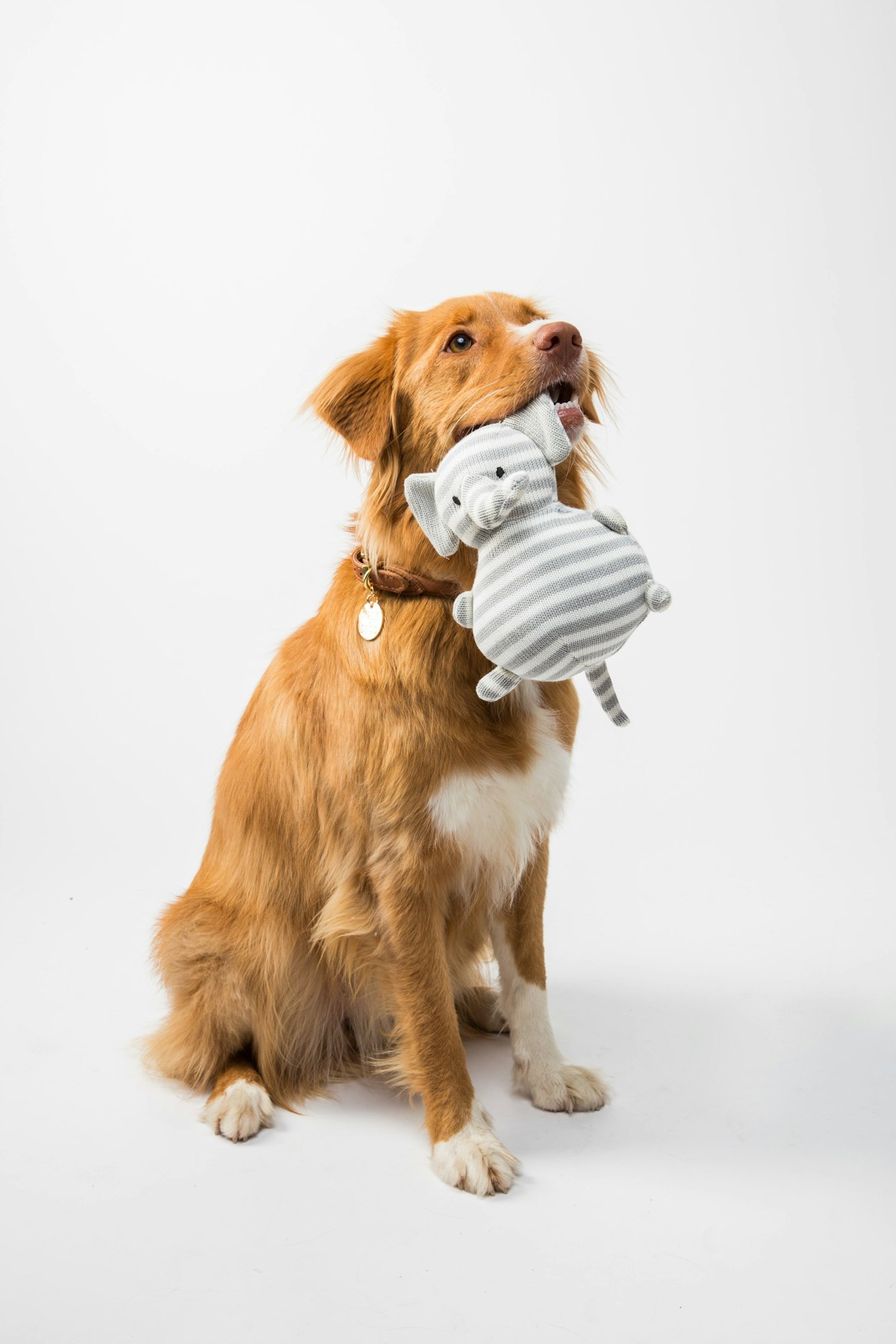
This 2026 buying guide covers the best Dog Grooming tools for Samoyeds, from undercoat rakes to shampoos and cleanup rollers. We explain which picks suit a thick double coat, how to use each one safely, and how to build a practical routine for a cleaner home and healthier coat.
Top Picks
- Furminator Deshedding Tool Dog — Best Deshedder: It earned Best Deshedder because it removes large amounts of loose Samoyed undercoat efficiently during seasonal sheds, making cleanup and follow-up brushing easier when used with light pressure.
- Dog Grooming Deshedding Professional — Best Undercoat Rake: It won Best Undercoat Rake because it is the most useful weekly deep-coat tool in the lineup, helping lift trapped underfur from dense Samoyed sections without relying on a simple surface brush.
- Self Cleaning Slicker Brush Dog — Best Slicker: It earned Best Slicker because it supports frequent maintenance on a Samoyed's topcoat and loose surface hair while the self-cleaning design makes regular use much more practical.
- Dog Shampoo Oatmeal Natural — Best Shampoo: It won Best Shampoo because a gentle oatmeal formula suits the Samoyed coat's need for clean rinsing, skin comfort, and a softer finish before drying and brushing.
- Pet Hair Remover Roller — Best Hair Remover: It earned Best Hair Remover because Samoyed owners need a fast reusable solution for fur on furniture, clothing, and car interiors between grooming sessions.
A Samoyed coat is beautiful, but it is not low-maintenance. Between the dense insulating undercoat, the longer weather-resistant guard hairs, and those dramatic spring and fall coat blows, the wrong brush can waste time, irritate skin, and leave plenty of loose fur trapped where you cannot see it. This guide is built specifically for Samoyed owners who need tools that work with a true double coat rather than against it. If you are comparing options in our Dog Grooming collection, the goal is simple: remove loose undercoat efficiently, protect the topcoat, and keep regular maintenance realistic.
Below, we cover what makes Samoyed grooming different, what to look for in high-value tools, and why each of these 2026 picks earned its award. Every featured product links directly to the Michelle's Pet Shop catalog so you can compare it with the rest of our Dog Grooming essentials. We also finish with a practical schedule for brushing, bathing, nail care, and seasonal de-shedding so you can turn a fluffy chaos machine into a coat-care routine that actually fits real life.
Why Do Samoyeds Need Specialized Grooming Tools?
Samoyeds are not just “very fluffy dogs.” Their coat is functional. The harsher guard hairs help repel moisture and debris, while the dense undercoat traps air and insulates the dog against heat and cold. That is why coat care is about more than appearance. If the undercoat compacts near the skin, airflow drops, moisture lingers longer after snow or bathing, and friction points can turn into painful mats surprisingly fast.
A surface brush may make a Samoyed look tidy for a few minutes, but that does not mean it has reached the coat where the real work happens. Owners often discover this when the shoulders, ruff, pants, or behind-the-ear area feel smooth on top but hide packed undercoat underneath. Effective Samoyed grooming requires enough reach to separate the coat in layers, enough gentleness to avoid scratching, and enough efficiency that you will actually keep up with the routine.
This is also why many experienced owners are careful with harsh bladed tools. If a tool pulls too aggressively or cuts healthy guard hairs, the coat can start to look rough, dull, or uneven. That is especially important in a breed whose hallmark appearance depends on a full, resilient outer coat. The best tools for Samoyeds remove dead undercoat, loosen tangles, and keep the topcoat intact rather than thinning everything indiscriminately.
| Coat challenge | What it means in practice | Tool feature that helps |
|---|---|---|
| Dense double coat | Loose fur gets trapped below the surface instead of falling out cleanly. | Longer pins or teeth that can reach down into the undercoat. |
| Seasonal coat blow | You need to remove large volumes of dead undercoat without marathon sessions. | High-capacity deshedding and undercoat tools that stay comfortable to use. |
| Sensitive friction zones | Behind the ears, armpits, trousers, and collar line mat quickly. | Rounded teeth, cushioned slickers, and controlled pressure. |
| Guard hair preservation | Overly sharp tools can rough up the outer coat and reduce the classic fluffy finish. | Coat-safe edges, polished tips, and moderate rather than aggressive action. |
What Should You Look For in Grooming Tools for a Samoyed?
Start with reach. If a slicker brush has pins that are too short, or a comb is too fine for the first pass, you will skim the surface and leave the compacted undercoat behind. For Samoyeds, the most useful tools are the ones that let you part the coat and work from the skin outward in small sections. That usually means longer pins, wider initial tooth spacing, and a follow-up tool that checks the finish rather than doing all the heavy lifting on its own.
Next comes control. Samoyed coats are forgiving when you work methodically, but they can be unpleasant to groom if you rush with the wrong angle or too much pressure. Rounded teeth, cushioned pads, ergonomic handles, and easy-clean heads matter more than they might on a lighter-coated breed because grooming sessions are longer and the coat loads tools faster. A comfortable handle is not a luxury when you are brushing a full ruff, dense hindquarters, and a heavy tail plume.
Finally, think in routines instead of one miracle product. A Samoyed owner usually needs one tool for heavy undercoat removal, one for everyday maintenance, one cleansing product gentle enough for regular use, and one home-cleanup solution that keeps furniture and car seats manageable between grooming sessions. The best value often comes from a kit mindset rather than expecting one brush to do everything well.
| Buying criterion | Why it matters for Samoyeds | Good sign | Warning sign |
|---|---|---|---|
| Pin or tooth length | Needs to reach beneath the topcoat into dense underfur. | Long enough to part the coat cleanly. | Only tidies the surface. |
| Tip finish | Poorly finished metal can scratch or catch. | Rounded or polished contact points. | Sharp, rough, or burred edges. |
| Handle comfort | Sessions can last 20 to 60 minutes or more. | Secure, non-slip grip. | Thin plastic handle that twists in hand. |
| Cleaning ease | Samoyed fur fills brushes quickly. | Hair clears out without fighting the tool. | Hair packs tightly and slows every pass. |
| Coat safety | The outer coat should stay full and protective. | Removes loose undercoat with light pressure. | Feels like it is cutting or scraping hair. |
Why Is Furminator Deshedding Tool the Best Deshedder?
This pick earns the Best Deshedder award because it tackles the one Samoyed problem every owner notices first: the volume of loose undercoat. During a major shed, basic brushing can feel endless because the coat just keeps releasing more fluff. A deshedding tool that removes undercoat efficiently can cut session time, reduce how much hair ends up around the house, and make follow-up brushing noticeably easier.
What makes this tool valuable for Samoyeds is that it is most effective when used as a controlled, targeted remover rather than an all-over daily brush. On areas such as the shoulders, sides, ruff, and hindquarters, it can pull out the soft dead undercoat that is ready to come free. That makes it especially useful during peak seasonal sheds or before a bath and blow-dry, when you want to reduce bulk before the coat becomes damp and heavier to manage.
The caution is equally important. Samoyed owners should use light pressure, short sessions, and good judgment. If you drag too hard or overwork one spot, any deshedding-style tool can irritate skin or be rough on the topcoat. Used properly on a dry, detangled coat, though, this is the fastest way in this lineup to clear a large amount of loose undercoat with measurable results you can see in the brush head immediately.
| Best time to use it | Where it helps most | How to keep it coat-safe |
|---|---|---|
| Seasonal sheds | Sides, shoulders, ruff, hindquarters | Use light pressure and stop when hair release slows. |
| Pre-bath prep | Dense body coat with lots of loose fluff | Detangle first so the tool does not catch on mats. |
| Follow-up cleanup after brushing | Remaining pockets of loose undercoat | Use in brief passes, then switch back to a slicker or comb. |
If your Samoyed is between major sheds, you may not need this tool at every session. That is part of why it wins a specific award instead of being the only brush we recommend. It shines when the coat is actively releasing underfur and you need a practical way to stay ahead of the mess.
Why Did Professional Dog Grooming Deshedding Rake Win Best Undercoat Rake?
An undercoat rake is one of the most breed-appropriate tools a Samoyed owner can own, which is why this product takes the Best Undercoat Rake award. Unlike a surface brush, a rake is designed to work deeper into the coat and lift out packed underfur before it turns into felted layers. For a Samoyed, that matters most in the ruff, trousers, tail base, and behind the ears, where hidden density builds up quickly.
This style of tool is especially useful because it bridges the gap between heavy deshedding and routine maintenance. It is more coat-specific than a generic brush, yet more versatile than a dedicated seasonal deshedder. That makes it a strong weekly workhorse. If you line-brush first and then use the rake in the densest sections, you can remove a surprising amount of undercoat without making the session feel harsh.
Why choose this over a simple comb? Because a comb often tells you where the problem is, while a good rake actually helps solve it. The broader, more open structure moves through thick undercoat more efficiently, especially where the coat has volume but is not yet tightly matted. For Samoyed owners who want one tool that consistently keeps the underlayer breathable, this is often the most useful category in the kit.
| Task | Undercoat rake performance | Standard comb performance |
|---|---|---|
| Weekly undercoat clearing | Very effective on dense coat sections. | Slower and more likely to stall. |
| Working through thick trousers or ruff | Good reach and efficient lift. | Useful only after coat is already opened up. |
| Checking for final tangles | Good first and middle pass tool. | Best final confirmation tool. |
| Comfort over longer sessions | High when used in short sections. | Can become tedious in heavy coat. |
For many Samoyeds, this is the tool that keeps routine grooming from turning into emergency mat removal. Use it one or two times a week in normal conditions and more often during seasonal blowouts, always with the lay of the coat rather than against it.
What Makes Self-Cleaning Slicker Brush the Best Slicker?
If the undercoat rake is your weekly workhorse, the slicker is your day-to-day maintenance hero. This product wins Best Slicker because a Samoyed needs a brush that can neaten the surface, pull free loose hair before it tangles deeper, and keep friction areas under control without turning every short touch-up into a cleanup chore. The self-cleaning design matters more than it might seem at first, because Samoyed fur fills a brush fast.
A slicker brush is ideal for short maintenance sessions after walks, before guests arrive, or anytime you want to refresh the coat and keep it airy. It is especially useful around the neck, shoulders, feathering, and tail, where the coat can start to clump from moisture, static, or everyday wear. Used with gentle strokes and a section-by-section approach, it helps keep the topcoat tidy while also catching some of the loose undercoat that rises toward the surface.
The self-cleaning mechanism is what pushes this pick ahead for busy owners. Instead of pausing repeatedly to peel packed fur from the brush head, you can clear it in seconds and keep moving. On a dense-coated breed, that convenience genuinely changes how likely you are to use the brush often enough. Consistency is what prevents mats, and convenience supports consistency.
| Use frequency | How to use this slicker on a Samoyed | Expected benefit |
|---|---|---|
| Daily or every other day | Light maintenance over ruff, shoulders, feathering, and tail. | Less loose fur on floors and fewer small tangles. |
| Before deeper grooming | Open the surface coat before rake or comb work. | Makes dense areas easier to separate. |
| After walks or damp weather | Brush out debris and early clumping once coat is dry enough. | Prevents dirt and moisture from compacting the coat. |
| After drying | Fluff and finish with light strokes. | Cleaner outline and fuller Samoyed look. |
This is not the only tool you need, but it may be the one you reach for most often. For a breed that benefits from frequent light maintenance, ease of use matters almost as much as grooming performance.
Why Is Natural Oatmeal Dog Shampoo the Best Shampoo for Samoyeds?
Samoyed owners often want a coat that looks bright and fluffy, but the wrong shampoo can leave the skin dry and the coat harder to manage afterward. This product wins Best Shampoo because oatmeal-based cleansing suits what a Samoyed coat needs most: gentle cleaning, skin comfort, and a finish that does not leave the outer coat stripped or the undercoat tacky with residue.
That balance matters. A Samoyed may not need frequent full baths, but when a bath is necessary after mud, heavy shedding, or seasonal grime, the cleansing product should rinse clean and support the skin barrier rather than fight it. Oatmeal formulas are often favored for dry or mildly itchy skin because they are less likely to feel harsh than heavily perfumed or overly strong whitening products. On a coat as dense as this one, rinse quality is crucial. Left-behind product can attract dirt, weigh the coat down, and encourage clumping.
Bathing also has a practical grooming role for Samoyeds: it can help release dead undercoat when followed by a thorough dry and brush-out. That only works well if the shampoo leaves the coat manageable. If your dog has ongoing itch, redness, odor, or skin problems, consult your veterinarian before changing products or routines, because persistent skin issues are best evaluated professionally.
| What Samoyed owners need from shampoo | Why this pick fits | What to avoid |
|---|---|---|
| Gentle cleansing | Helps remove dirt and oils without leaving the coat harsh. | Overly strong formulas that leave the coat squeaky and dry. |
| Skin comfort | Oatmeal support is often helpful for mild dryness and sensitivity. | Heavy fragrance or irritating additives. |
| Clean rinsing | Important for dense double coats that trap residue. | Products that feel filmy after rinsing. |
| Post-bath manageability | Supports easier drying, brushing, and coat separation. | Anything that leaves the coat limp or sticky. |
For Samoyeds, the best shampoo is not the flashiest one. It is the one that leaves the coat clean, soft, and ready for a proper blow-dry and brush-out. That is exactly why this oatmeal formula earns the award.
Why Does Pet Hair Remover Roller Deserve Best Hair Remover?
Even with excellent brushing, Samoyed owners still live with fur on sofas, car seats, throw blankets, and jackets. That is why a home-cleanup tool deserves a place in a grooming guide. This product wins Best Hair Remover because it solves the part of Samoyed ownership that grooming alone never fully eliminates: the daily fur drift that settles everywhere between proper brush-outs.
A reusable roller is especially practical in heavy-shedding homes because it is fast and always ready. You do not need to drag out a vacuum for one chair, and you do not burn through endless sticky sheets during coat blow season. For quick touch-ups on upholstery, clothing, stairs, and the car, this kind of tool gives you a realistic way to stay on top of hair without turning cleanup into another major project.
It also pairs well with better grooming rather than replacing it. When you deshed effectively and keep up with undercoat maintenance, there is less fur to remove from the house. When loose hair still appears, a dedicated roller lets you deal with it immediately. That combination is what makes a Samoyed home feel manageable rather than perpetually buried.
| Cleanup method | Best for | Strength with Samoyed fur | Limitation |
|---|---|---|---|
| Reusable hair remover roller | Sofas, clothes, bedding, car seats | Fast daily maintenance without refills. | Not a full-room deep clean. |
| Sticky lint roller | Quick clothing touch-ups | Works in a pinch. | Refills add up fast in shedding season. |
| Vacuum | Floors and larger areas | Essential for deep cleaning. | Overkill for a cushion or jacket. |
For households with one or more Samoyeds, convenience matters. If a cleanup tool is quiet, reusable, and easy to grab, it is much more likely to be used often enough to make a visible difference.
How Often Should You Groom a Samoyed, and How Much Is Enough?
The best Samoyed routine is regular rather than extreme. In ordinary weeks, many owners do best with light maintenance every day or every other day, plus one deeper weekly session. During coat blow season, that schedule needs to tighten. Trying to ignore the coat for a week and then fix everything in one long sitting is usually when tugging, matting, and owner frustration start to build.
A sensible baseline looks like this: use a slicker for quick maintenance two to four times a week, an undercoat rake once or twice weekly, a stronger deshedding session during major seasonal sheds, and bathing every four to eight weeks depending on lifestyle, weather, and how much dirt the coat is collecting. Nails generally need attention every two to four weeks. Ears, paw pads, and friction areas should be checked as part of the routine rather than only when something already looks wrong.
If your Samoyed swims often, hikes in burr-heavy areas, or wears a harness regularly, you may need more frequent targeted grooming in the coat around the chest, elbows, and feathering. If your dog has skin irritation, excessive scratching, unusual odor, or coat change beyond normal shedding, consult your veterinarian rather than simply increasing grooming. Good tools support skin health, but they do not replace medical advice.
| Task | Typical schedule | Why it matters |
|---|---|---|
| Light slicker brushing | 2 to 4 times per week | Prevents surface tangles and keeps loose fur moving out of the coat. |
| Undercoat rake work | Weekly, or more during heavy sheds | Keeps dense areas breathable and reduces compaction. |
| Major deshedding session | As needed during coat blow | Removes bulk loose undercoat efficiently. |
| Bath and thorough dry | About every 4 to 8 weeks | Resets the coat and helps release dead undercoat when followed by brushing. |
| Nails and paw tidy | Every 2 to 4 weeks | Supports traction, comfort, and cleaner feet. |
Putting It All Together: Which Samoyed Grooming Tools Should You Start With?
If you are building your Samoyed kit from scratch, start with the tools that cover the biggest routine needs first. For most owners, that means a slicker for maintenance, an undercoat rake for deeper weekly work, and a shampoo gentle enough for a proper bath and blow-dry. If your dog is already in a major seasonal shed, add the deshedding tool sooner rather than later. If the coat itself is under control but your furniture is suffering, the hair remover roller may be the immediate quality-of-life upgrade you notice most.
The most important thing is to match the tool to the job. Use the slicker for frequent upkeep, the rake for dense undercoat, the deshedder strategically during coat blow, the shampoo when the whole coat needs a reset, and the roller for household cleanup between grooms. That division of labor is why each product in this guide earned a distinct award instead of pretending one item can solve every Samoyed challenge equally well.
A healthy Samoyed coat should feel airy rather than packed, look full rather than chewed-up, and stay comfortable enough that your dog does not dread grooming time. With a realistic routine and the right tools from Michelle's Pet Shop, that goal is absolutely manageable. The breed will still shed, of course, but the coat will be easier to maintain, your home will be easier to clean, and grooming will feel more like upkeep than damage control.
Frequently Asked Questions
What brush is best for a Samoyed's undercoat?
A long-pin slicker is helpful for daily maintenance, but most Samoyed owners also need an undercoat rake for true undercoat work. The rake reaches deeper into the dense coat and removes trapped loose fur more efficiently during weekly grooming and seasonal sheds.
How often should I brush my Samoyed?
Most Samoyeds do well with light brushing two to four times a week and a deeper undercoat session once a week. During spring and fall coat blows, shorter but more frequent sessions help prevent the undercoat from compacting and spreading fur all over the house.
Is a deshedding tool safe for Samoyeds?
It can be safe when used lightly, on a dry detangled coat, and mainly during periods of heavy shedding. Avoid excessive pressure or repeated passes over one area, because overuse can irritate the skin and be rough on the protective outer coat.
What kind of shampoo is best for a Samoyed?
A gentle dog shampoo that rinses clean and does not leave the coat harsh or coated is usually best. Oatmeal-based formulas are a common choice for mild dryness or sensitivity, but if your dog has ongoing itch, odor, or skin irritation, consult your veterinarian.
What removes Samoyed hair best from furniture and clothes?
A reusable pet hair remover roller is one of the easiest tools for daily cleanup on sofas, bedding, car seats, and jackets. It works especially well when paired with regular brushing, because better coat maintenance means less hair ends up in the house to begin with.