Best Dog GPS Trackers 2026: Never Lose Your Dog Again
By Michelle — Michelle's Pet Shop. Published June 15, 2026. 17 min read.
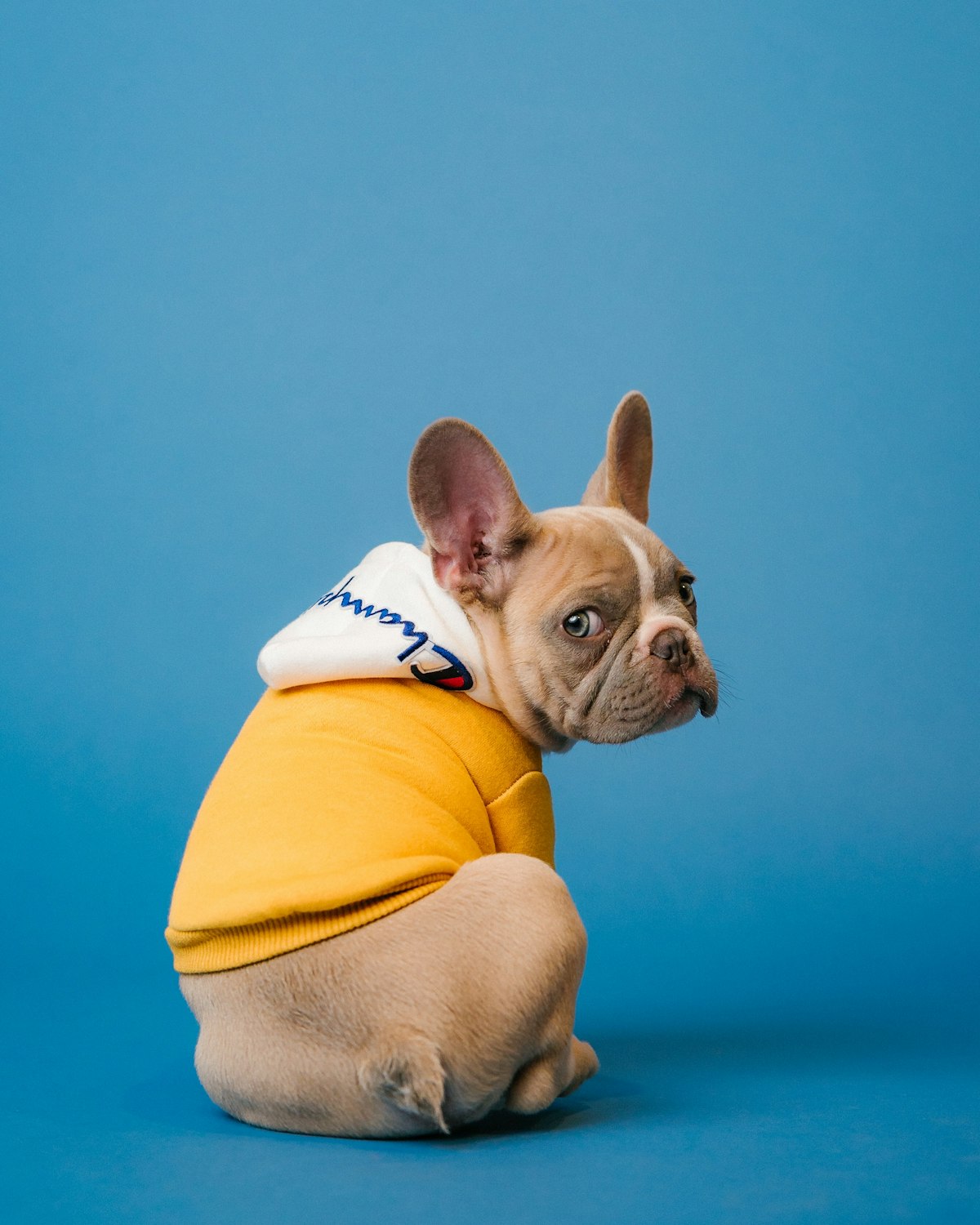
As a devoted dog owner, few things are more distressing than losing sight of your furry companion, even for a moment. Whether your dog is an adventurous escape artist, loves…
Top Picks
- Tractive Gps Dog Tracker — Best Overall: Our "Best Overall" choice in the Dog GPS & Tracking category — a strong fit for dog owners who want peace of mind.
- Whistle Go Explore Gps Dog Tracker — Best for Health Tracking: Our "Best for Health Tracking" choice in the Dog GPS & Tracking category — a strong fit for dog owners who want peace of mind.
- Fi Series 3 Smart Dog Collar — Best Smart Collar: Our "Best Smart Collar" choice in the Dog GPS & Tracking category — a strong fit for dog owners who want peace of mind.
- Apple Airtag Dog Collar Holder — Best Budget (Apple): Our "Best Budget (Apple)" choice in the Dog GPS & Tracking category — a strong fit for dog owners who want peace of mind.
- Spoton Gps Dog Fence Tracker — Best GPS Fence: Our "Best GPS Fence" choice in the Dog GPS & Tracking category — a strong fit for dog owners who want peace of mind.
As a devoted dog owner, few things are more distressing than losing sight of your furry companion, even for a moment. Whether your dog is an adventurous escape artist, loves exploring new trails, or simply slips out the door when you're not looking, the anxiety of not knowing their whereabouts can be overwhelming. This is where a reliable dog GPS tracker becomes an indispensable tool for peace of mind. These devices harness cutting-edge technology to help you monitor your dog's location in real time, offering reassurance that your best friend is safe and within reach.
GPS trackers for dogs have evolved significantly in recent years, combining accuracy, durability, and user-friendly features. Beyond just pinpointing your dog's location, many models provide insights into activity levels, health monitoring, and even customizable safe zones or virtual fences. This multi-functionality ensures that a GPS tracker not only helps you find your dog if they wander off but also supports their overall well-being. Of course, no device replaces responsible supervision and proper training, but a GPS tracker acts as a vital safety net in unexpected situations.
In this comprehensive buying guide, we will explore some of the best dog GPS trackers available in 2026, carefully selected to meet the needs of various lifestyles and budgets. Among the top contenders, you'll find the Tractive GPS Dog Tracker, known for its global coverage and real-time tracking capabilities; the Whistle GO Explore, which combines GPS location with health and fitness monitoring; the highly durable Fi Series 3, praised for its long battery life and secure tracking; the versatile Apple AirTag, which offers a budget-friendly option for locating your dog within Bluetooth range; and the innovative SpotOn GPS Dog Fence, which integrates GPS tracking with virtual fencing technology.
Choosing the right GPS tracker for your dog depends on factors such as your dog’s size, activity level, the areas you frequent, and the features that matter most to you. Throughout this guide, we'll break down the strengths and considerations of each model, helping you make an informed decision tailored to your unique needs. Remember, while these tools are incredibly useful, it’s always a good idea to consult your veterinarian to ensure the tracker you choose aligns with your dog’s health and lifestyle. Let’s dive in and discover how to never lose your dog again.
Why Dog Owners Need a GPS Tracker
For every dog owner, the safety and well-being of their furry companion is a top priority. Despite best efforts to keep dogs secure, unexpected situations can arise — from a momentary distraction during a walk to a fence that isn’t as escape-proof as it seems. A GPS tracker provides a practical, technology-driven solution to these concerns, enabling owners to monitor their dog’s location in real time. This technology is especially crucial for dogs prone to wandering or those living in areas where traffic or wildlife pose risks.
Beyond just finding lost pets, GPS trackers offer peace of mind by allowing owners to ensure their dog’s safety during outdoor activities such as hiking or visiting new parks. Many trackers come with features like virtual boundaries (geofencing), which send immediate alerts if a dog leaves a predefined safe zone. This can be invaluable for early intervention and preventing potentially dangerous situations. Additionally, GPS trackers often include activity monitoring, providing insights into your dog’s daily exercise — a helpful tool for maintaining a healthy lifestyle.
While traditional ID tags and microchips are important, they don’t provide real-time location updates. Microchips require a found pet to be scanned by a vet or shelter, which can delay reunification. In contrast, GPS trackers empower owners to be proactive rather than reactive. When choosing a GPS tracker, factors such as battery life, waterproofing, range, and subscription fees should be considered. Consulting your veterinarian can also help determine if a GPS tracker is appropriate based on your dog’s breed, temperament, and lifestyle.
| Scenario | Life Without a GPS Tracker | Life With a GPS Tracker |
|---|---|---|
| Escape Artists | Owners often rely on physical searches, flyers, or social media posts, which can delay locating the dog and increase stress. | Immediate alerts and precise location tracking enable quick recovery, reducing the risk of injury or theft. |
| Hiking & Outdoor Adventures | Potential for dogs to wander off and get lost in unfamiliar terrain without a way to track them. | Real-time GPS updates allow owners to explore confidently, knowing they can locate their dog quickly if needed. |
| Daily Walks | If a dog slips out of the leash or collar, tracking is limited to memory and luck. | Owners receive alerts and can track their dog’s movements instantly, minimizing panic and search time. |
| Peace of Mind | Uncertainty about pet location can cause ongoing anxiety, especially for owners of high-risk dogs. | Constant location updates and customizable alerts foster confidence and reduce worry for pet parents. |
How to Choose the Right GPS Tracker
Selecting the ideal GPS tracker for your pet involves understanding your specific needs, your pet’s lifestyle, and the technology behind the tracking device. Not all GPS trackers are created equal, and choosing the right one can mean the difference between quickly locating a lost pet and frustrating dead ends. Key considerations include the type of tracking technology, battery life, coverage area, and associated costs.
First, consider the tracking technology. Cellular GPS trackers use mobile networks to provide real-time location updates with extensive range, often nationwide. However, they typically require a monthly subscription fee for data service. Bluetooth trackers, on the other hand, have a limited range—usually under 100 feet—and are best suited for indoor use or very close proximity tracking without ongoing fees. Radio Frequency (RF) trackers operate independently of cellular networks and can work in remote areas, but they require you to be within a certain distance to pick up your pet’s signal and generally do not provide live GPS mapping.
Battery life is a critical factor. Devices with frequent location updates consume more power, leading to shorter battery life. Some trackers offer rechargeable batteries that last from a couple of days to several weeks, while others use replaceable batteries. Consider how often you need updates and how much maintenance you’re willing to do. For instance, if your dog frequently escapes or roams far, a tracker with longer battery life and reliable cellular coverage is preferable.
Another element is the size and comfort of the device. It should fit your pet’s collar comfortably without causing irritation. Also, waterproof or water-resistant designs are essential for active pets or those frequently outdoors. Lastly, check for mobile app compatibility and user interface, as a user-friendly app can significantly improve your experience in tracking your pet efficiently.
| Technology | Range | Battery Life | Monthly Fee | Best For |
|---|---|---|---|---|
| Cellular GPS | Nationwide (dependent on cellular coverage) | 1–10 days (rechargeable) | Yes, usually $5–$15/month | Active pets that roam outdoors extensively |
| Bluetooth | Up to ~100 feet | Several months (replaceable batteries) | No | Indoor pets or close-range tracking |
| Radio Frequency (RF) | Up to several miles (line of sight) | Several days to weeks (rechargeable or replaceable) | No | Remote areas with limited cellular service |
Key Features Compared
When selecting the best pet tracker or smart collar for your furry friend, it’s essential to focus on several key features that impact both the device’s effectiveness and your convenience as a pet owner. Each feature serves a specific purpose and should align with your pet’s lifestyle, size, and your personal preferences for monitoring and safety.
Battery Life: A longer battery life means fewer interruptions and less frequent charging, which is particularly important for active pets or those who spend a lot of time outdoors. Look for devices offering at least 5 to 7 days of battery life on a single charge. Some premium models provide up to two weeks, but this often depends on usage intensity and GPS frequency.
Durability and Waterproofing: Pets can be rough on their gear, so durability is a must. Waterproof or at least water-resistant designs protect the device from rain, puddles, and even swimming. Check for IP67 or IP68 ratings if your pet is adventurous or if you live in wet climates. Durable casing materials, like reinforced plastics or rubberized exteriors, also help the device withstand impacts and rough play.
App Usability: The companion app is your primary interface for tracking and managing your pet’s data. A user-friendly app with intuitive navigation, clear maps, and reliable notifications enhances your experience. Features such as customizable geofences, historical activity logs, and multi-pet management can be very helpful. Make sure the app is compatible with your smartphone’s operating system and regularly updated by the manufacturer.
Activity Tracking: Beyond location tracking, many devices offer activity monitoring to help you understand your pet’s daily exercise levels and overall health. Look for trackers that provide detailed metrics like steps, rest periods, and intensity of activity. Some even integrate with vet services to alert you to unusual behavior patterns, but always consult your veterinarian for health-related decisions.
Escape Alerts: One of the most valuable safety features is the ability to receive instant alerts if your pet leaves a designated safe zone. This geofencing feature allows you to create boundaries on the map and get notified immediately if your pet escapes or wanders too far. The reliability and speed of these alerts can be crucial in preventing your pet from getting lost.
| Feature | Importance | What to Look For |
|---|---|---|
| Battery Life | High | 5-7 days minimum; rechargeable options; low-power modes. |
| Durability/Waterproofing | High | IP67 or IP68 rating; shock-resistant casing. |
| App Usability | Medium | Intuitive interface; reliable notifications; multi-pet support. |
| Activity Tracking | Medium | Detailed metrics (steps, rest); health alerts. |
| Escape Alerts | High | Customizable geofences; instant push notifications. |
Common Mistakes When Buying a GPS Tracker
When investing in a GPS tracker for your dog, it’s easy to get overwhelmed by the variety of options and features available. However, making an uninformed decision can lead to frustration and, more importantly, compromise your pet’s safety. One of the most frequent errors is ignoring the ongoing subscription fees associated with cellular GPS trackers. Many buyers focus solely on the upfront cost of the device, only to be surprised by the monthly or annual charges required to maintain the tracking service. It’s crucial to factor these fees into your overall budget to ensure the device remains functional over time.
Another common mistake is purchasing a tracker that is inappropriately sized for your dog. A device that is too large or heavy can cause discomfort, chafing, or even neck strain, particularly for small breeds or puppies. Conversely, a tracker that is too small might lack the battery capacity or durability needed for a larger, more active dog. Always check the manufacturer’s weight and size recommendations before making a purchase to ensure a comfortable and secure fit.
Additionally, many pet owners confuse Bluetooth trackers with true GPS trackers. While Bluetooth devices like the Apple AirTag are excellent for finding items within a short range (typically up to 100 feet), they rely on proximity to a smartphone network to update their location. If your dog wanders far from home or into a rural area with few people, a Bluetooth tracker will be largely ineffective. For reliable, long-distance tracking, a dedicated cellular GPS tracker is necessary.
Lastly, overlooking the importance of battery life and durability can render a tracker useless when you need it most. A tracker with a short battery life requires frequent charging, increasing the risk that it will be dead if your dog escapes. Similarly, if your dog loves water or rough play, a non-waterproof or fragile tracker will quickly break. Always prioritize devices with robust battery performance and appropriate water resistance ratings (like IP67 or IP68) to match your dog’s lifestyle.
| Mistake | Better Approach |
|---|---|
| Ignoring subscription fees | Factor in monthly or annual service costs when budgeting for a cellular GPS tracker. |
| Buying too large for a small dog | Check weight and size guidelines to ensure the tracker is comfortable and safe for your dog’s breed. |
| Assuming Bluetooth is GPS | Understand that Bluetooth has limited range; choose cellular GPS for reliable long-distance tracking. |
| Overlooking battery life and durability | Select a tracker with long battery life and adequate waterproofing (e.g., IP67/IP68) for your dog’s activity level. |
How Much to Budget for a GPS Tracker
When considering a GPS tracker for your dog, it’s important to understand that the cost involves more than just the initial purchase price. Most reliable GPS trackers require a cellular connection to transmit location data in real-time, which means you’ll need to factor in an ongoing subscription fee. Budgeting accurately ensures you choose a device that not only meets your pet’s safety needs but also aligns with your long-term financial expectations.
The market for dog GPS trackers generally falls into three budget tiers: Budget, Mid-Range, and Premium. Budget options often include Bluetooth trackers or basic GPS models with limited features. These typically have a lower upfront cost and may not require a subscription, but they sacrifice range and real-time tracking capabilities. Mid-Range trackers are the most popular choice for pet owners, offering a solid balance of reliable cellular GPS tracking, activity monitoring, and durable design. These require a moderate upfront investment and a standard monthly or annual subscription fee. Premium trackers offer advanced features such as health insights, extended battery life, highly durable materials, and sometimes even virtual fencing capabilities. These come with a higher initial price tag and often slightly higher subscription costs, but provide comprehensive peace of mind.
When budgeting, consider how you prefer to pay for the subscription. Many companies offer significant discounts if you commit to an annual or multi-year plan rather than paying month-to-month. Additionally, keep an eye out for hidden costs such as replacement collars, extra charging cables, or premium app features that might require an upgraded subscription tier. Always weigh the features you truly need against the total cost of ownership over the expected lifespan of the device.
| Budget Tier | Upfront Cost | Subscription Cost | Expected Features |
|---|---|---|---|
| Budget | $20 - $50 | $0 - $5/month | Bluetooth tracking (limited range), basic location updates, no real-time GPS. |
| Mid-Range | $50 - $100 | $8 - $15/month | Real-time cellular GPS, activity tracking, geofencing, waterproof design. |
| Premium | $100 - $200+ | $10 - $20/month | Advanced health insights, extended battery life, virtual fencing, premium materials. |
Comparison of the Top Picks
Choosing the right GPS tracker for your dog can be overwhelming given the variety of options on the market. To help you make an informed decision, we’ve narrowed down the top contenders for 2026. Each of these devices excels in different areas, catering to specific needs whether you prioritize overall performance, health monitoring, smart features, budget, or advanced boundary management.
The Tractive GPS Dog Tracker earns our "Best Overall" award for its exceptional balance of reliability, features, and affordability. It provides real-time location tracking with unlimited range, utilizing cellular networks to keep tabs on your dog anywhere in the world. Its robust design is fully waterproof, and the companion app is highly intuitive, offering features like virtual fences and location history. While it requires a subscription, the peace of mind it delivers makes it a top choice for most dog owners.
For pet parents focused on their dog's well-being, the Whistle GO Explore GPS Dog Tracker is the "Best for Health Tracking." Beyond precise location monitoring, this device acts as a comprehensive fitness tracker. It monitors behaviors such as scratching, licking, and sleeping patterns, alerting you to potential health issues before they become serious. It also offers a tele-vet feature, allowing you to consult a professional directly through the app. Its long battery life and durable build make it ideal for active dogs.
The Fi Series 3 Smart Dog Collar stands out as the "Best Smart Collar." Known for its sleek, low-profile design, it integrates seamlessly into your dog's daily wear without being bulky. The Fi Series 3 boasts an impressive battery life that can last weeks on a single charge, depending on usage. It utilizes a combination of GPS, Wi-Fi, and cellular data to provide accurate tracking and escape alerts. Its modern aesthetic and robust build quality appeal to tech-savvy owners looking for a premium experience.
If you're looking for a cost-effective solution and are already in the Apple ecosystem, the Apple AirTag Dog Collar Holder is the "Best Budget (Apple)" option. While not a traditional GPS tracker, the AirTag uses Apple's vast Find My network to locate your pet. It’s incredibly lightweight, requires no monthly subscription, and the battery lasts about a year. However, it relies on proximity to other Apple devices, making it less effective in rural or sparsely populated areas compared to dedicated cellular trackers.
Finally, the SpotOn GPS Dog Fence Tracker is our pick for the "Best GPS Fence." This premium device is perfect for owners with large properties or those who frequently travel. It allows you to create custom virtual boundaries simply by walking the perimeter with the collar or drawing it on the app. If your dog approaches the boundary, the collar emits warning tones, and if they cross it, you receive an instant alert. It offers unparalleled flexibility for off-leash freedom without the need for buried wires.
| Product | Award | Key Strength | Battery Life | Subscription Required |
|---|---|---|---|---|
| Tractive GPS Dog Tracker | Best Overall | Reliable real-time tracking with global coverage | Up to 7 days | Yes |
| Whistle GO Explore | Best for Health Tracking | Comprehensive health and behavior monitoring | Up to 20 days | Yes |
| Fi Series 3 Smart Dog Collar | Best Smart Collar | Sleek design with exceptional battery efficiency | Up to 3 months | Yes |
| Apple AirTag Dog Collar Holder | Best Budget (Apple) | No monthly fees, utilizes Find My network | Up to 1 year (replaceable) | No |
| SpotOn GPS Dog Fence Tracker | Best GPS Fence | Customizable virtual boundaries for large areas | Up to 22 hours (tracking) | Optional (for tracking) |
Care, Usage Tips, and When to Consult a Vet
Investing in a GPS tracker for your dog is a great step toward ensuring their safety, but to get the most out of the device, proper care and usage are essential. Like any piece of technology, a GPS tracker requires regular maintenance to function reliably. One of the most critical habits to develop is consistent charging. Depending on the model and your dog's activity level, battery life can vary significantly. Make it a routine to check the battery status via the companion app and charge the device before it drops too low, ensuring it’s always ready when you need it most.
Physical maintenance of the tracker and collar is equally important. Dogs can be tough on their gear, exposing trackers to dirt, mud, and water. Regularly inspect the device for any signs of damage, such as cracks in the casing or worn attachment points. Clean the tracker according to the manufacturer's instructions—usually a wipe down with a damp cloth is sufficient. Additionally, check the fit of the collar frequently. A collar that is too tight can cause discomfort or skin irritation, while one that is too loose might slip off or fail to provide accurate readings, especially if the device includes health monitoring sensors.
While GPS trackers are excellent tools for location and activity monitoring, they are not a substitute for professional veterinary care. Many modern trackers offer health insights, such as changes in sleep patterns or activity levels, which can be early indicators of underlying issues. However, these devices cannot diagnose medical conditions. If you notice significant changes in the data—such as a sudden drop in activity, increased restlessness, or if the collar causes persistent skin irritation—it is crucial to consult your veterinarian. They can provide a proper assessment and determine if the changes are related to a health problem or simply a need to adjust the device.
| Tracker Maintenance Task | Frequency |
|---|---|
| Charging the tracker battery | Every 3–7 days depending on device and usage |
| Cleaning contacts and sensors | Weekly or after exposure to dirt, moisture, or sweat |
| Checking collar or harness fit | Monthly, and anytime your pet gains or loses weight |
| Inspecting device for damage or loose parts | Every 2 weeks or after rough play/outdoor activity |
Frequently Asked Questions
Do GPS dog trackers require a monthly subscription?
Most dedicated GPS trackers require a cellular subscription to transmit location data over long distances. However, Bluetooth trackers like the Apple AirTag do not, though they have limited range.
Are GPS trackers safe for small dogs?
Yes, but it's important to choose a tracker that is lightweight and appropriately sized for your dog. Heavy or bulky trackers can cause discomfort or neck strain in smaller breeds.
Can a GPS tracker replace a microchip?
No, a GPS tracker and a microchip serve different purposes. A GPS tracker provides real-time location updates, while a microchip is a permanent form of identification that can be scanned if your dog is found and taken to a vet or shelter.
How accurate are dog GPS trackers?
Most cellular GPS trackers are highly accurate, often pinpointing your dog's location within a few meters. However, accuracy can be affected by dense tree cover, tall buildings, or poor cellular reception.
Are dog GPS trackers waterproof?
Many high-quality GPS trackers are waterproof or highly water-resistant, designed to withstand rain, puddles, and even swimming. Always check the IP rating (like IP67 or IP68) to ensure it meets your dog's activity level.