What Should My Russian Blue Eat? Complete Feeding Guide
2026-06-19 · 6 min read
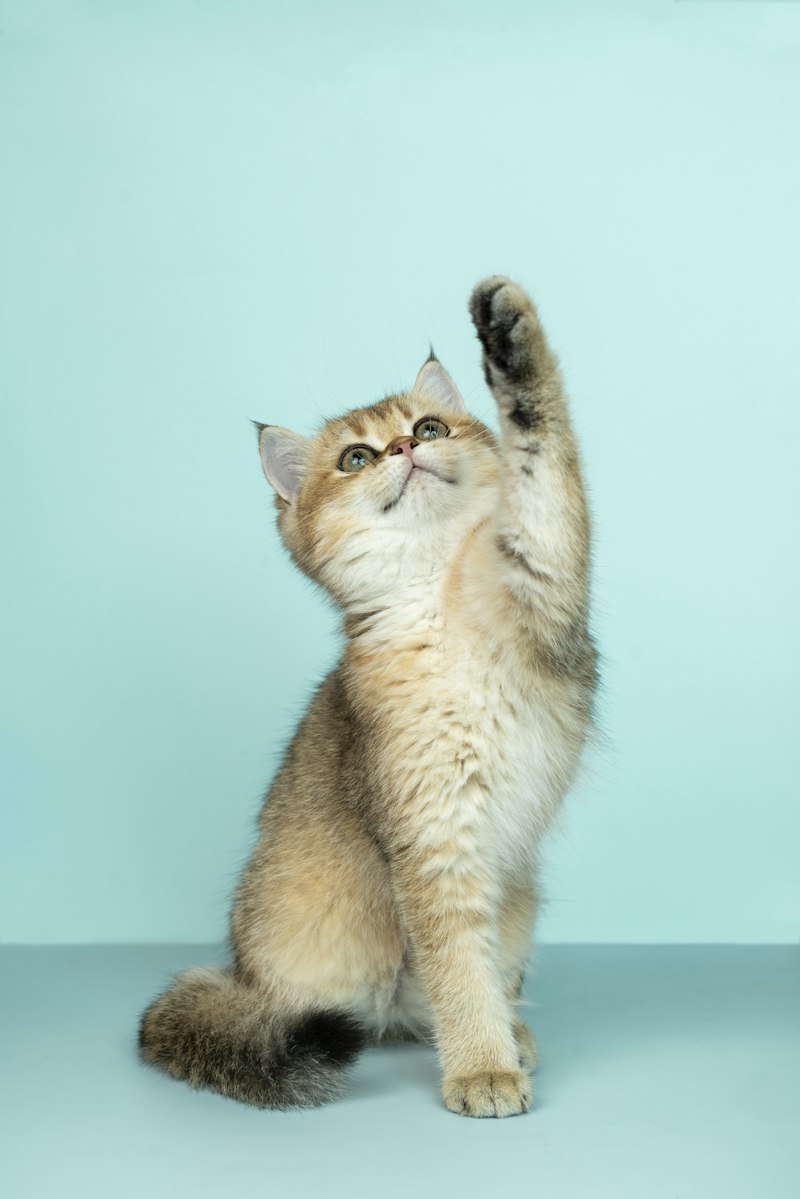
Russian Blues are elegant, lean cats with a tendency toward obesity. Here's the complete nutrition guide for keeping your Russian Blue at their ideal weight.
Russian Blue cats are elegant, silver-blue beauties known for their reserved but deeply loyal personalities. Despite their lean, athletic appearance, Russian Blues have a tendency to overeat and can become obese — particularly in indoor environments with limited activity.
**The Overeating Tendency**
Russian Blues are food-motivated and will eat beyond satiety if food is available. They're known for acting hungry even when they've just eaten. Never free-feed a Russian Blue — scheduled meals with measured portions are essential.
**Caloric Needs**
Adult Russian Blues typically need 200–250 calories per day. They're moderately active indoors but not as high-energy as Bengals or Siamese. Adjust portions based on monthly weight checks.
**High Protein, Low Carbohydrate**
Russian Blues thrive on high-protein, low-carbohydrate diets. Look for foods with 30–40% protein from named meat sources. Avoid foods with corn, wheat, or soy as primary ingredients.
**Wet Food Benefits**
Russian Blues benefit from wet food for hydration and to slow eating. Many Russian Blues eat dry food too quickly, leading to vomiting. Wet food's texture naturally slows consumption. A mix of wet and dry food works well.
**Sensitive Stomachs**
Some Russian Blues have sensitive digestive systems. If your Russian Blue has recurring digestive issues, try a limited-ingredient diet with a single protein source. Chicken and salmon are typically well-tolerated.
Recommended Products
- Lean Protein Cat Food — Low-fat, high-protein formula for Russian Blue weight management. ($22–$50)
- Automatic Portion Control Cat Feeder — Scheduled feeder to prevent Russian Blue overeating. ($35–$80)
- Cat Dental Chews — Dental treats that support Russian Blue oral health. ($8–$20)
FAQ
Are Russian Blue cats prone to obesity?
Yes, Russian Blues are food-motivated and prone to overeating. Never free-feed a Russian Blue — use scheduled meals with measured portions and monitor weight monthly.
What is the best food for Russian Blue cats?
High-protein, low-carbohydrate food with named meat as the first ingredient is ideal. A mix of wet and dry food supports hydration and slows eating.