Bengal Cat Health Guide — Wild Heritage, Common Issues, Long Life
2026-06-05 · 7 min read
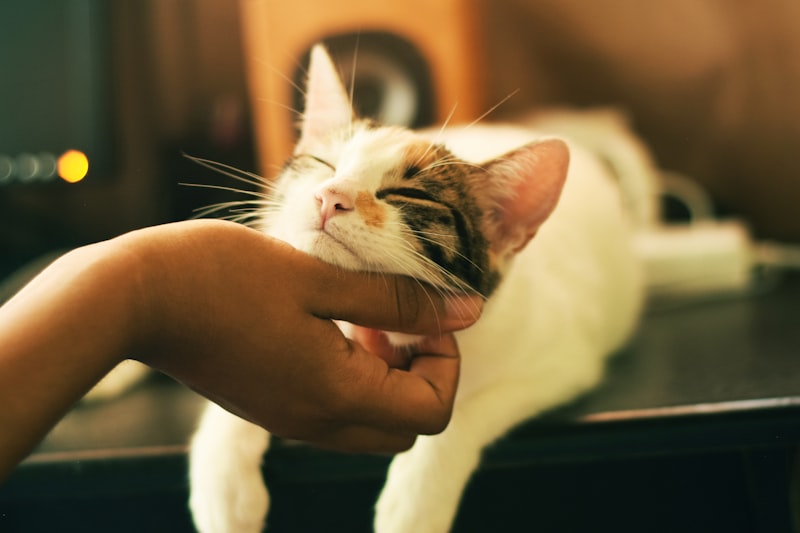
Bengals are generally healthy but have specific genetic conditions to watch for. Here's the complete health guide for Bengal cat owners.
Bengals are generally a healthy breed with a lifespan of 12–16 years, but their wild heritage and specific genetics make them prone to a few conditions that owners should know about.
**Progressive Retinal Atrophy (PRA)**
PRA is a genetic eye condition that causes progressive vision loss, eventually leading to blindness. There is no cure, but genetic testing can identify carriers. Reputable Bengal breeders test for PRA-b (the Bengal-specific variant). If your Bengal is PRA-positive, work with your vet to manage their environment as vision declines.
**Pyruvate Kinase Deficiency (PK Deficiency)**
PK Deficiency is a genetic condition that causes hemolytic anemia — the red blood cells break down faster than they can be replaced. Signs include lethargy, pale gums, and poor appetite. Genetic testing identifies carriers. Mild cases may require no treatment; severe cases may need blood transfusions.
**Digestive Sensitivity**
Bengals often have sensitive digestive systems, likely related to their wild heritage. They can be prone to inflammatory bowel disease (IBD), food sensitivities, and chronic diarrhea. A high-quality, limited-ingredient diet and probiotic supplements help maintain digestive health.
**Hypertrophic Cardiomyopathy (HCM)**
Like many cat breeds, Bengals can develop HCM. Annual cardiac screenings are recommended for Bengals over 5 years old.
**Mental Health**
Bengals are highly intelligent and can develop anxiety, compulsive behaviors, or aggression if understimulated or kept in unsuitable environments. Adequate exercise, enrichment, and human interaction are essential for Bengal mental health.
Recommended Products
- Probiotic for Cats — Bengals are prone to digestive issues — probiotics support gut health. ($15–$35)
- Cat DNA Health Test — Screen your Bengal for genetic conditions including PK Deficiency. ($60–$100)
- Cat Calming Spray — Pheromone spray for high-anxiety Bengals in stressful situations. ($15–$30)
FAQ
What health problems do Bengal cats have?
Bengals can be prone to Progressive Retinal Atrophy (PRA), Pyruvate Kinase Deficiency (PK Deficiency), digestive sensitivity, and HCM. Genetic testing and regular vet visits are important.
Are Bengal cats hypoallergenic?
Bengals are sometimes marketed as hypoallergenic, but no cat is truly hypoallergenic. Bengals produce less Fel d 1 protein than some breeds, which may reduce reactions in mildly allergic people.
How long do Bengal cats live?
Bengals typically live 12–16 years. With genetic health testing, regular vet care, adequate exercise, and a high-protein diet, many Bengals live into their mid-teens.