What Should My Dachshund Eat? Nutrition Guide for Wiener Dogs
June 18, 2026 · 8 min read
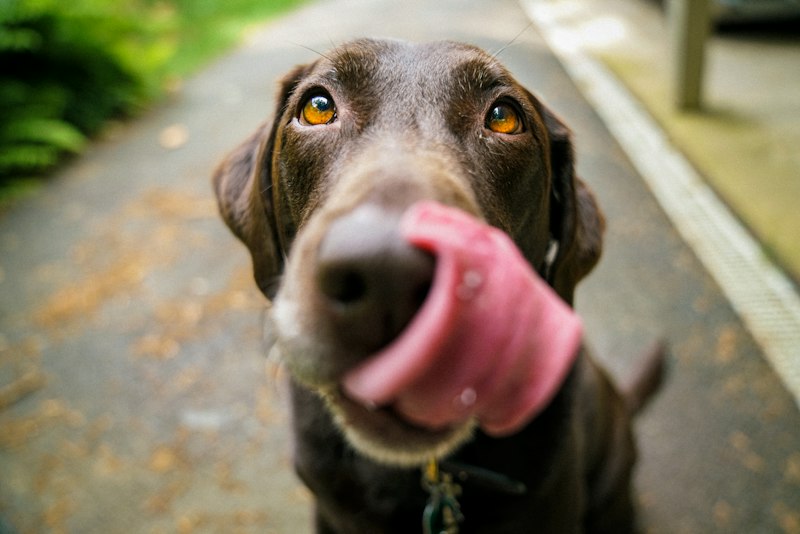
Dachshunds' long backs and short legs make obesity especially dangerous for this breed. Here's exactly how to feed your Dachshund to protect their spine and keep them healthy.
Dachshunds — affectionately known as wiener dogs or sausage dogs — have one of the most distinctive body shapes in the dog world. That long spine and short legs are adorable, but they create a serious health vulnerability: intervertebral disc disease (IVDD). Obesity dramatically worsens this risk, making proper nutrition one of the most important things you can do for your Dachshund's health.
How Much to Feed a Dachshund
Standard Dachshunds (16–32 lbs) need approximately 1–1.5 cups of high-quality dry kibble per day. Miniature Dachshunds (under 11 lbs) need only about 0.5–1 cup per day. Split into two meals to reduce bloat risk. Measure every meal — Dachshunds are prone to obesity and will eat as much as you give them.
Why Weight Control is Critical for Dachshunds
Every extra pound on a Dachshund puts enormous stress on their elongated spine. An overweight Dachshund has a dramatically higher risk of IVDD — a condition that can cause sudden paralysis and requires expensive surgery. Keeping your Dachshund lean is the single most important thing you can do to protect their back.
Best Food for Dachshunds
Look for small-breed formulas with small kibble size (easier for their small mouths), high-quality protein as the first ingredient, and moderate calorie density. Foods with added omega-3 fatty acids support their skin and coat, and some formulas include glucosamine for joint support.
FAQ
How much should I feed my Dachshund?
Standard Dachshunds need 1–1.5 cups of high-quality dry kibble per day, split into two meals. Miniature Dachshunds need only 0.5–1 cup per day. Always measure — Dachshunds are prone to obesity, which is especially dangerous for their backs.
Are Dachshunds prone to back problems?
Yes — IVDD (intervertebral disc disease) is the most serious health concern for Dachshunds. About 25% of Dachshunds will experience IVDD in their lifetime. Keeping them at a healthy weight, using ramps instead of stairs, and avoiding jumping dramatically reduces the risk.
What is the best food for an overweight Dachshund?
For overweight Dachshunds, choose a weight management formula with higher fiber (for satiety), lower calories, and maintained protein to preserve muscle. Hill's Science Diet Perfect Weight Small & Mini is a good option. Reduce treats and increase exercise gradually.