Siberian Husky Health Guide — Eye Conditions, Skin Issues, and More
June 18, 2026 · 8 min read
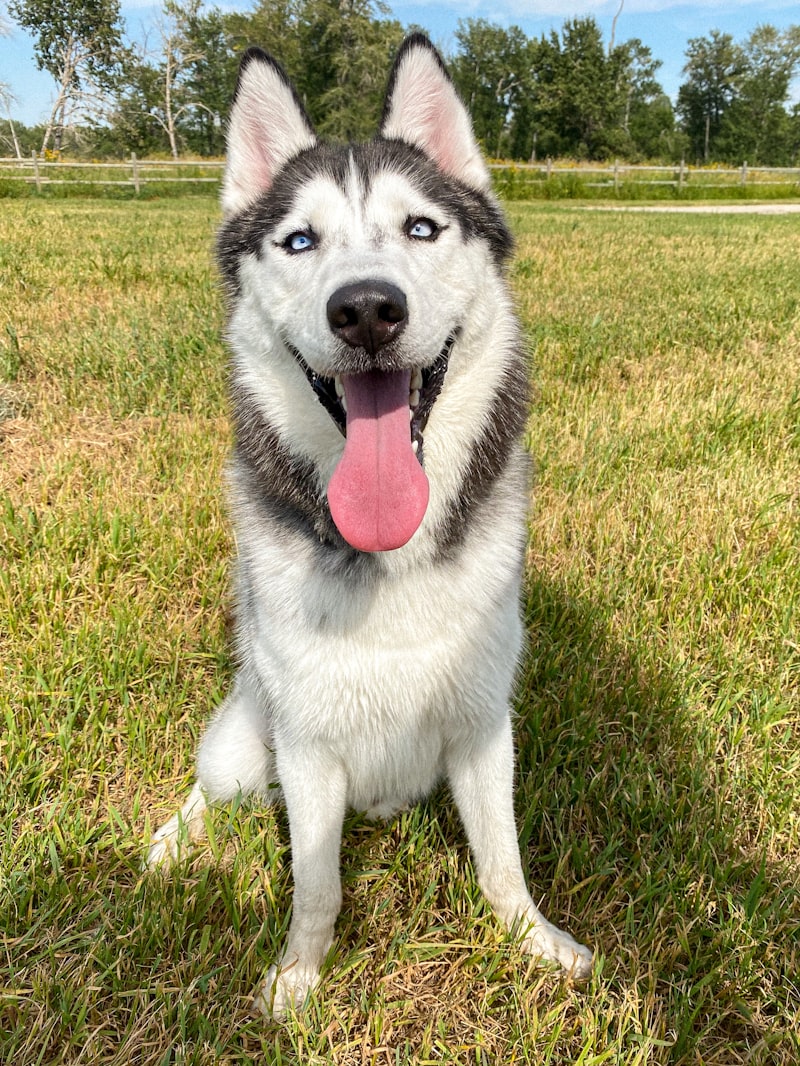
Siberian Huskies are generally healthy dogs, but they're prone to specific eye conditions and skin issues. Here's what every Husky owner needs to know.
Siberian Huskies are one of the healthier breeds overall — their Arctic heritage means they were bred for endurance and hardiness. But they do have specific genetic predispositions that every owner should know about, particularly regarding their eyes and skin.
Eye Conditions in Siberian Huskies
Huskies are prone to several hereditary eye conditions. Hereditary cataracts can develop as early as age 2–3. Progressive retinal atrophy (PRA) causes gradual blindness. Corneal dystrophy causes white crystalline deposits on the cornea. Annual eye exams by a veterinary ophthalmologist are recommended for this breed.
Zinc-Responsive Dermatosis
This is a unique condition in Huskies (and Malamutes) where the skin develops crusty, scaly lesions around the face, paws, and pressure points despite normal zinc levels in the diet. The breed simply doesn't absorb zinc efficiently. Treatment involves zinc supplementation under veterinary supervision and often resolves the condition completely.
Hypothyroidism in Huskies
Huskies have a higher-than-average rate of hypothyroidism — an underactive thyroid that causes weight gain, lethargy, hair loss, and skin problems. It's easily managed with daily thyroid medication once diagnosed. Annual bloodwork can catch it early.
Coat Care for Huskies
Huskies have a dense double coat that "blows" (sheds heavily) twice a year. During shedding season, daily brushing with an undercoat rake is essential. Never shave a Husky — their double coat actually insulates them from heat as well as cold, and shaving can permanently damage the coat's texture and insulating properties.
FAQ
How long do Siberian Huskies live?
Siberian Huskies typically live 12–15 years — one of the longer lifespans among medium-to-large breeds. Their Arctic heritage and natural hardiness contribute to their longevity. Regular vet care, appropriate exercise, and a healthy diet support a long life.
Do Huskies have a lot of health problems?
Huskies are generally healthy dogs with fewer genetic health issues than many breeds. Their main concerns are hereditary eye conditions, zinc-responsive dermatosis, and hypothyroidism. Annual eye exams and bloodwork can catch most issues early.
Can you shave a Husky in summer?
No — never shave a Husky. Their double coat actually keeps them cool in summer by insulating against heat and reflecting sunlight. Shaving removes this protection, can cause sunburn, and may permanently damage the coat's texture. Regular brushing to remove dead undercoat is the correct approach.