Why Does My Cat Stare at the Wall? Is It Normal?
Cat Behavior · June 19, 2026 · 7 min read
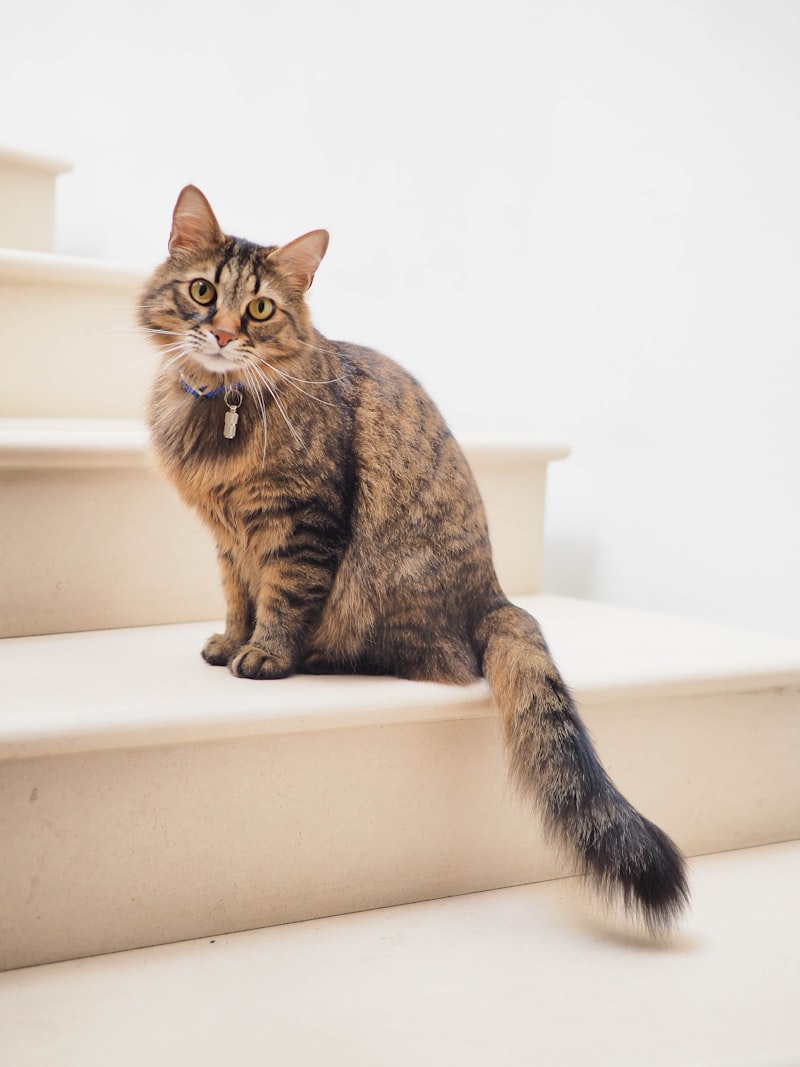
Your cat is sitting perfectly still, staring intensely at a blank wall. Should you be worried? Michelle explains the fascinating — and sometimes concerning — reasons cats stare at walls, and when it warrants a vet visit.
You're relaxing at home when you notice your cat sitting perfectly still, staring intently at a blank wall. Their ears are forward, their pupils are slightly dilated, and they seem completely transfixed by... nothing. This behavior is common enough that it's become a cultural shorthand for mysterious cat behavior, but there are actually several well-understood explanations for why cats stare at walls. Most are completely normal; a few warrant veterinary attention. This guide covers everything you need to know.
The Most Likely Explanations
| Explanation | How Common | Signs It's This | Action Needed? |
|---|---|---|---|
| Hearing something inaudible to humans | Very common | Ears tracking, head tilting | No |
| Detecting insects/pests inside walls | Common | Scratching at wall, intense focus | Check for pests |
| Detecting vibrations | Common | Near pipes, HVAC, appliances | No |
| Hunting behavior/play | Common | Pouncing, batting at wall | No — provide toys |
| Cognitive dysfunction (senior cats) | Less common | Older cat, other behavior changes | Vet visit |
| Feline hyperesthesia syndrome | Rare | Skin rippling, vocalization | Vet visit |
| Seizure activity | Rare | Blank stare, unresponsive | Vet visit |
The Hearing Explanation
Cats can hear frequencies up to 64,000 Hz — compared to the human maximum of about 20,000 Hz. This means cats can hear sounds that are completely inaudible to us. The scratching of mice or insects inside walls, the ultrasonic sounds of pipes and electrical systems, and the high-frequency vocalizations of small animals are all within a cat's hearing range. When your cat stares at a wall, they may be tracking a sound source that you simply cannot perceive.
This is also why cats sometimes appear to react to "nothing" — they're responding to real stimuli that are outside human sensory range. Far from being mysterious, this behavior is a demonstration of your cat's remarkable sensory capabilities.
When Wall Staring Might Indicate a Problem
Most wall staring is normal and harmless. However, consult your vet if: your cat stares at walls and seems unresponsive to your voice or touch (possible seizure or neurological issue), the behavior is new and your cat is over 10 years old (possible cognitive dysfunction syndrome), the staring is accompanied by skin rippling along the back, vocalization, or frantic behavior (possible feline hyperesthesia syndrome), or your cat seems confused or disoriented after the staring episodes.
Feline Hyperesthesia Syndrome
Feline hyperesthesia syndrome (FHS) is a rare but real condition that can cause cats to stare at walls as part of a broader pattern of unusual behavior. Other signs include: rippling or rolling skin along the back, frantic grooming or biting at the tail and flanks, dilated pupils, vocalization, and sudden frantic running. The cause is not fully understood but may involve neurological, psychological, or dermatological components. FHS requires veterinary diagnosis and management.
Products for Enrichment and Anxiety
- Cat Interactive Toy Automatic — If your cat is staring at walls out of boredom or hunting frustration, automatic interactive toys provide stimulation when you're not available to play.
- Cat Calming Diffuser Feliway — If the wall staring is anxiety-related, pheromone diffusers can help create a sense of calm and security in the home environment.
- Cat Puzzle Feeder — Mental stimulation through puzzle feeders can reduce boredom-driven behaviors and provide appropriate outlets for hunting instincts.
Frequently Asked Questions
Q: Should I be worried if my cat stares at the wall?
A: In most cases, no. Occasional wall staring is completely normal cat behavior. Be concerned if: the behavior is new and your cat is a senior, your cat seems unresponsive during the staring, the staring is accompanied by other unusual behaviors, or the behavior is becoming more frequent or intense.
Q: Can cats see ghosts?
A: There's no scientific evidence that cats (or any animals) can perceive supernatural entities. The behaviors that lead people to believe cats can see ghosts — staring at empty spaces, reacting to 'nothing' — are fully explained by their superior sensory capabilities. Cats are simply detecting things we can't.
Q: My cat stares at the ceiling fan. Is this different?
A: Ceiling fan staring is usually hunting behavior — the moving blades trigger the predatory response. This is completely normal and harmless. Some cats become obsessed with ceiling fans and will stare at them for extended periods. Providing appropriate moving toys can redirect this energy.
Q: My cat started staring at walls recently and she's 14 years old. Should I see a vet?
A: Yes — new behavioral changes in senior cats always warrant a veterinary evaluation. Cognitive dysfunction syndrome (feline dementia) is common in cats over 10 years old and can cause disorientation, staring, and other behavioral changes. It's treatable and manageable with the right support.
Always consult your veterinarian for personalized advice. If you suspect your pet has eaten something toxic, call the ASPCA Animal Poison Control Center at (888) 426-4435 immediately. This article is for informational purposes only.
Practical Tips for Every Pet Owner
Regardless of the specific topic covered in this guide, there are universal principles that apply to all pet ownership. The most fundamental is observation: the more closely you observe your pet's normal behavior, the more quickly you'll notice when something is wrong. Changes in appetite, energy level, elimination habits, and social behavior are often the first signs of illness or stress.
Establishing routines benefits both pets and owners. Regular feeding times, exercise schedules, and grooming routines create predictability that reduces stress for most pets. Dogs and cats are particularly sensitive to routine disruptions — changes in schedule can trigger anxiety and behavioral problems even when the underlying cause isn't obvious.
The Importance of Preventive Care
Preventive veterinary care is significantly more cost-effective than treating illness after it develops. Annual wellness exams, appropriate vaccinations, parasite prevention, and dental care prevent conditions that are expensive and difficult to treat once established. Many pet owners are surprised to learn that dental disease — one of the most common preventable conditions in pets — can lead to heart, kidney, and liver disease when left untreated.
Pet insurance is worth considering for any pet, but especially for breeds prone to specific health conditions. The cost of unexpected veterinary care can be substantial — a single emergency visit can cost $1,000–$5,000 or more. Pet insurance provides peace of mind and ensures that financial constraints don't force difficult decisions about your pet's care.
Microchipping and proper identification are essential safety measures that every pet owner should prioritize. A microchip significantly increases the chance of being reunited with a lost pet. Keep your contact information updated in the microchip registry — an outdated address or phone number defeats the purpose of the chip.
As an Amazon Associate, Michelle's Pet Shop earns from qualifying purchases.