Why Does My Cat Knock Things Off Tables? The Real Reason
Cat Behavior · June 19, 2026 · 7 min read
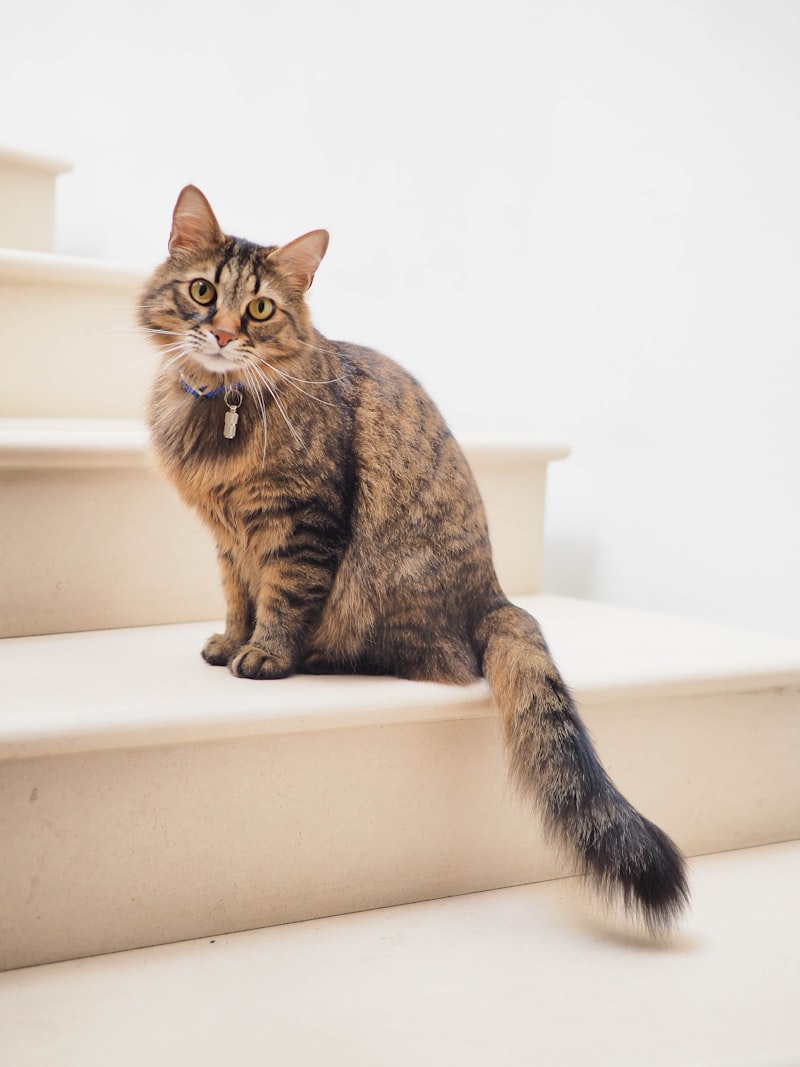
Your cat stares at you, then slowly pushes your coffee mug off the table. Michelle explains the fascinating science behind this infuriating behavior — and what it actually means about your cat's intelligence and needs.
If you've ever watched your cat deliberately push a glass off a table while maintaining direct eye contact with you, you've witnessed one of the most simultaneously infuriating and fascinating feline behaviors. This behavior is so common and so perfectly executed that it's become a defining internet cat meme — but there's real science behind why cats do it. Understanding the reasons helps you respond appropriately and, if you want, reduce the behavior.
The Science Behind the Push
Cats are natural predators with highly developed paws that are exquisitely sensitive to movement, texture, and vibration. Their paws are packed with nerve endings that make them excellent tools for investigating objects — particularly moving objects that might be prey. When a cat pushes something off a surface, they're engaging in a behavior that's deeply rooted in their hunting instinct: testing whether an object is alive, dead, or dangerous before fully committing to it.
In the wild, a cat that pounced on a mouse without first testing it might get bitten. Poking and pushing an object first is a safety behavior — it tests the object's response before full engagement. Your cat isn't being malicious when they push your coffee off the table; they're doing what their brain is wired to do.
The 5 Real Reasons Cats Knock Things Over
| Reason | How Common | What It Looks Like | Solution |
|---|---|---|---|
| Hunting instinct | Very common | Batting, testing objects | Provide appropriate prey toys |
| Attention seeking | Very common | Eye contact while pushing | Don't react; provide enrichment |
| Curiosity/exploration | Common | Investigating novel objects | Cat-proof important items |
| Boredom | Common | More frequent when understimulated | Increase play and enrichment |
| Territorial marking | Less common | Pushing your items specifically | More playtime, Feliway |
The Attention-Seeking Component
Many cats quickly learn that knocking things over produces a reliable, dramatic response from their owners — jumping up, making noise, picking up the object. From the cat's perspective, this is a highly effective way to get attention. If your cat knocks things over and you react (even with scolding), you've reinforced the behavior. The solution is to not react at all — no eye contact, no movement, no sound. This is harder than it sounds, especially when it's your favorite mug.
The key insight is that negative attention is still attention. Cats don't distinguish between "good" attention and "bad" attention the way humans do. Any reaction is rewarding. The only effective approach is complete non-reaction combined with providing better ways to get attention (scheduled play sessions, puzzle feeders).
How to Reduce the Behavior
Complete elimination of this behavior is unlikely — it's too deeply instinctive. But you can reduce it significantly by: providing adequate daily play (10–15 minutes of active wand toy play), using puzzle feeders to engage the hunting instinct constructively, removing or securing items you don't want knocked over, and completely ignoring the behavior when it occurs. Cat-proofing your surfaces (using museum putty to secure important items, keeping valuable items in closed cabinets) is often the most practical solution.
Products That Help
- Cat Wand Toy Interactive — Daily interactive play sessions satisfy the hunting instinct and reduce attention-seeking behaviors. Schedule play sessions at the same time each day so your cat learns when to expect engagement.
- Cat Puzzle Feeder — Puzzle feeders engage the hunting and problem-solving instinct in a constructive way, reducing boredom-driven behaviors like knocking things over.
- Museum Putty Non-Damaging — Non-damaging adhesive putty can secure lightweight items to surfaces, preventing them from being knocked over. Practical solution for protecting important items.
Frequently Asked Questions
Q: Is my cat doing this on purpose?
A: Yes and no. Cats are doing it intentionally in the sense that it's a deliberate action, but they're not doing it out of spite or malice. They're following instincts (hunting behavior, curiosity) and, if they've learned it gets attention, learned behavior. Cats don't have the cognitive capacity for spite — they're simply doing what works for them.
Q: Why does my cat look at me while doing it?
A: This is the attention-seeking component. Your cat has learned that this behavior produces a reaction from you, and they're monitoring your response to see if it's working. The direct eye contact is a social communication signal — they're engaging with you, not ignoring you.
Q: Should I punish my cat for knocking things over?
A: No — punishment is ineffective for this behavior and will damage your relationship with your cat. Cats don't connect punishment with a behavior that happened even seconds ago. The only effective approaches are management (removing or securing items), providing appropriate alternatives (play, enrichment), and completely ignoring the behavior when it occurs.
Q: My cat only knocks over my things, not their own toys. Why?
A: Your belongings carry your scent and are associated with you, making them more interesting to your cat. Cats are also more likely to knock over items that are in 'their' territory (your desk, your bedside table) as a form of scent marking — pushing your items around mixes their scent with yours.
Always consult your veterinarian for personalized advice. If you suspect your pet has eaten something toxic, call the ASPCA Animal Poison Control Center at (888) 426-4435 immediately. This article is for informational purposes only.
Practical Tips for Every Pet Owner
Regardless of the specific topic covered in this guide, there are universal principles that apply to all pet ownership. The most fundamental is observation: the more closely you observe your pet's normal behavior, the more quickly you'll notice when something is wrong. Changes in appetite, energy level, elimination habits, and social behavior are often the first signs of illness or stress.
Establishing routines benefits both pets and owners. Regular feeding times, exercise schedules, and grooming routines create predictability that reduces stress for most pets. Dogs and cats are particularly sensitive to routine disruptions — changes in schedule can trigger anxiety and behavioral problems even when the underlying cause isn't obvious.
The Importance of Preventive Care
Preventive veterinary care is significantly more cost-effective than treating illness after it develops. Annual wellness exams, appropriate vaccinations, parasite prevention, and dental care prevent conditions that are expensive and difficult to treat once established. Many pet owners are surprised to learn that dental disease — one of the most common preventable conditions in pets — can lead to heart, kidney, and liver disease when left untreated.
Pet insurance is worth considering for any pet, but especially for breeds prone to specific health conditions. The cost of unexpected veterinary care can be substantial — a single emergency visit can cost $1,000–$5,000 or more. Pet insurance provides peace of mind and ensures that financial constraints don't force difficult decisions about your pet's care.
Microchipping and proper identification are essential safety measures that every pet owner should prioritize. A microchip significantly increases the chance of being reunited with a lost pet. Keep your contact information updated in the microchip registry — an outdated address or phone number defeats the purpose of the chip.
As an Amazon Associate, Michelle's Pet Shop earns from qualifying purchases.