Cat Health Guide 2026 — Vet Tips, Common Illnesses & Preventive Care
Cat Health · June 19, 2026 · 13 min read
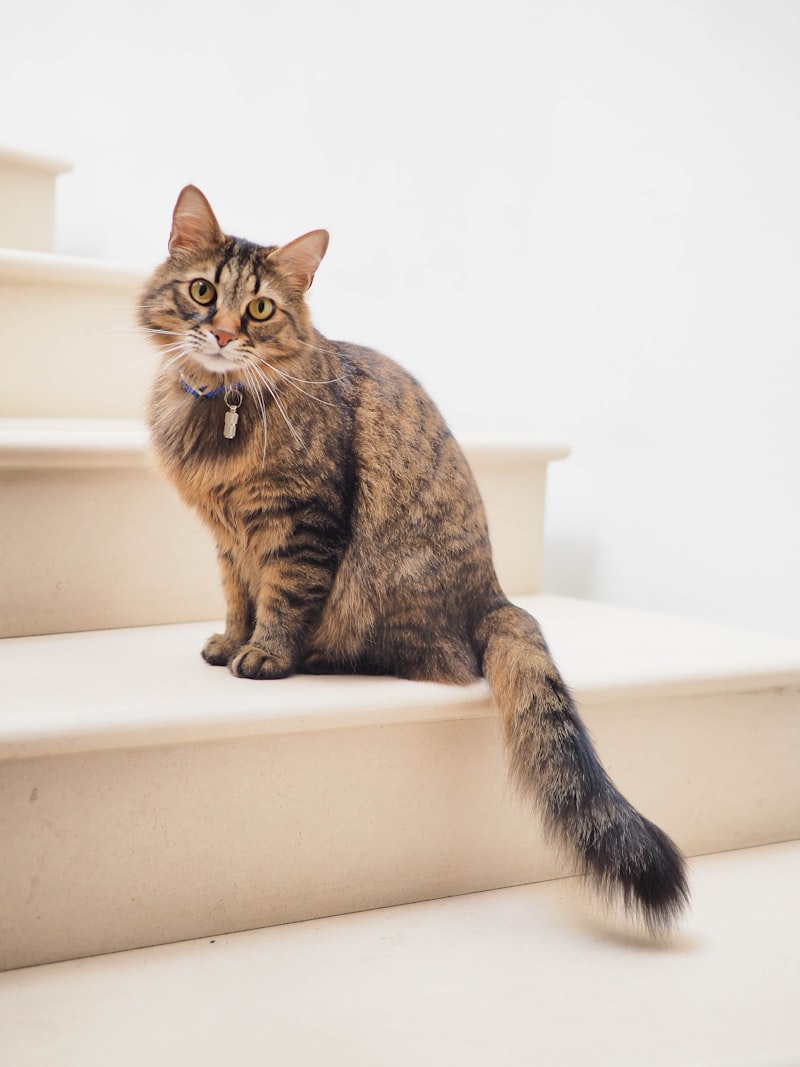
Cats hide illness better than any other pet. This guide covers the most common cat health problems, how to spot them early, and the products that keep cats healthy longer.
Trimming your cat's nails is one of those tasks that sounds simple but can feel like a battle if you're not prepared. Cats have sharp, retractable claws that they use for climbing, hunting, self-defense, and stretching. Overgrown nails can curl back into the paw pad, causing pain and infection. They can also get caught in carpet and fabric, leading to injury. Regular nail trims — every 2–3 weeks — keep your cat comfortable, protect your furniture, and make handling easier. This guide covers everything you need to know to trim your cat's nails safely and with minimal stress.
Understanding Cat Nail Anatomy
Cat nails have two distinct parts: the clear, hard outer shell and the pink inner section called the quick. The quick contains blood vessels and nerves — cutting into it causes pain and bleeding. In cats with light-colored nails, the quick is visible as a pink area inside the nail. In cats with dark nails, the quick is harder to see, which is why many owners prefer a nail grinder (which removes small amounts of nail at a time) over clippers.
Cats have 5 nails on each front paw (including the dewclaw, located slightly above the other nails on the inside of the leg) and 4 nails on each back paw. The dewclaw doesn't touch the ground and tends to grow faster and curl more easily than other nails — don't forget to trim it.
Step-by-Step Nail Trimming Guide
| Step | Action | Tips |
|---|---|---|
| 1 | Choose the right time | When cat is relaxed, sleepy, or just woken up |
| 2 | Get the right tools | Sharp cat nail clippers or grinder |
| 3 | Extend the nail | Gently press on the toe pad to extend the nail |
| 4 | Identify the quick | Look for the pink area — stay 2mm away |
| 5 | Make the cut | Quick, confident snip at a slight angle |
| 6 | Reward immediately | High-value treat within 3 seconds |
| 7 | Repeat or stop | Do 1–2 nails per session if cat is resistant |
Making Nail Trims Stress-Free
The key to stress-free nail trims is desensitization — gradually building your cat's tolerance for having their paws handled. Start by simply touching your cat's paws during relaxed moments, without any trimming. Progress to gently pressing on the toe pads to extend the nails. Introduce the clippers by letting your cat sniff them and clicking them near the cat (not on the nails) while giving treats. Only progress to actual trimming when your cat is comfortable with each preceding step.
If your cat is extremely resistant, trim one nail per day rather than all at once. This keeps sessions short and positive. Over time, most cats become significantly more tolerant of nail trims.
Nail Trimming Products
- Cat Nail Clippers — Scissor-style or guillotine-style clippers designed for cat nails. Must be sharp — dull clippers crush rather than cut, which is painful. Replace or sharpen when they start to pull rather than cut cleanly.
- Cat Nail Grinder — Electric grinders remove small amounts of nail at a time, making it harder to accidentally hit the quick. Many cats tolerate grinders better than clippers. Look for quiet models with low vibration.
- Styptic Powder for Cats — If you accidentally cut the quick, styptic powder stops the bleeding quickly. Apply with gentle pressure for 30 seconds. Keep it on hand during every nail trim session.
- Cat Treats High Value — Use the highest-value treats your cat loves during nail trims. Freeze-dried chicken, tuna flakes, or commercial soft treats work well. The treat should be special enough that your cat only gets it during nail trims.
Frequently Asked Questions
Q: How often should I trim my cat's nails?
A: Most cats need nail trims every 2–3 weeks. Indoor cats may need more frequent trims because they don't wear their nails down on rough outdoor surfaces. Senior cats often need more frequent trims because their nails become thicker and grow faster with age.
Q: What if I accidentally cut the quick?
A: Stay calm — your cat will sense your anxiety. Apply styptic powder or cornstarch to the nail tip with gentle pressure for 30 seconds. The bleeding will stop quickly. Give your cat a treat and end the session on a positive note. The nail will be sore for a day or two but will heal completely.
Q: Can I use human nail clippers on my cat?
A: Human nail clippers can work in a pinch but aren't ideal. They're designed for flat human nails, not the curved, layered structure of cat nails. They're more likely to crush or split the nail rather than cutting cleanly. Cat-specific clippers are inexpensive and make the process easier and more comfortable for your cat.
Q: My cat absolutely refuses nail trims. What should I do?
A: If your cat is extremely resistant, consider: having a professional groomer or vet tech do the trims, using a grooming bag (a restraint bag that allows access to paws while limiting movement), or asking your vet about anti-anxiety medication for nail trim appointments. Some cats genuinely need sedation for safe nail trims — this is not a failure.
Always consult your veterinarian for personalized advice about your pet's health. This article is for informational purposes only.
Practical Tips for Every Pet Owner
Regardless of the specific topic covered in this guide, there are universal principles that apply to all pet ownership. The most fundamental is observation: the more closely you observe your pet's normal behavior, the more quickly you'll notice when something is wrong. Changes in appetite, energy level, elimination habits, and social behavior are often the first signs of illness or stress.
Establishing routines benefits both pets and owners. Regular feeding times, exercise schedules, and grooming routines create predictability that reduces stress for most pets. Dogs and cats are particularly sensitive to routine disruptions — changes in schedule can trigger anxiety and behavioral problems even when the underlying cause isn't obvious.
The Importance of Preventive Care
Preventive veterinary care is significantly more cost-effective than treating illness after it develops. Annual wellness exams, appropriate vaccinations, parasite prevention, and dental care prevent conditions that are expensive and difficult to treat once established. Many pet owners are surprised to learn that dental disease — one of the most common preventable conditions in pets — can lead to heart, kidney, and liver disease when left untreated.
Pet insurance is worth considering for any pet, but especially for breeds prone to specific health conditions. The cost of unexpected veterinary care can be substantial — a single emergency visit can cost $1,000–$5,000 or more. Pet insurance provides peace of mind and ensures that financial constraints don't force difficult decisions about your pet's care.
Microchipping and proper identification are essential safety measures that every pet owner should prioritize. A microchip significantly increases the chance of being reunited with a lost pet. Keep your contact information updated in the microchip registry — an outdated address or phone number defeats the purpose of the chip.
As an Amazon Associate, Michelle's Pet Shop earns from qualifying purchases.