Best Fish Tanks for Beginners: Top 7 Starter Aquariums in 2026
Fish Care & Aquariums · June 20, 2026 · 8 min read
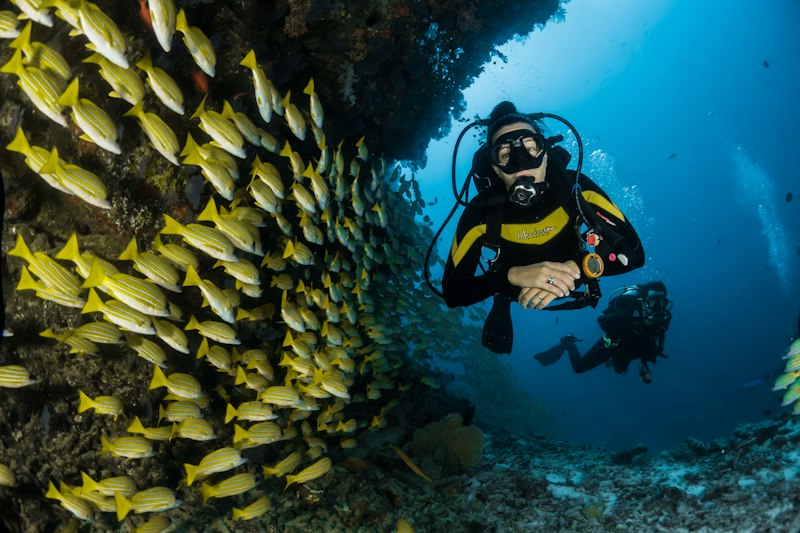
Starting your first aquarium? These 7 beginner-friendly fish tanks make it easy to set up a healthy, beautiful aquarium without the guesswork.
Setting up your first aquarium is one of the most rewarding experiences in the pet hobby — but choosing the wrong tank can turn that excitement into frustration. The right beginner aquarium balances ease of maintenance, adequate size, and quality filtration to give your fish the best chance at a long, healthy life. This guide covers the 7 best starter aquariums in 2026, what to look for when choosing a tank, and the essential equipment every new fishkeeper needs.
What Makes a Good Beginner Fish Tank?
The single most important factor in beginner success is tank size. Counterintuitively, larger tanks are actually easier to maintain than small ones — they have more stable water chemistry, dilute waste more effectively, and are more forgiving of beginner mistakes. A 10-gallon tank is the absolute minimum for beginners; 20 gallons is significantly better. The popular "starter" tanks of 1–5 gallons are actually the hardest to maintain and have the highest fish mortality rates.
| Tank Size | Best For | Difficulty | Maintenance Frequency |
|---|---|---|---|
| 5 gallons | Betta fish only | Hard | Every 3-4 days |
| 10 gallons | Small community fish | Moderate | Weekly |
| 20 gallons | Community fish, beginners | Easy | Weekly |
| 29-40 gallons | Intermediate community | Easy | Bi-weekly |
| 55+ gallons | Large community, cichlids | Moderate (volume) | Bi-weekly |
Top 7 Beginner Aquariums in 2026
1. Aqueon 20-Gallon Starter Kit — The most recommended beginner tank by aquarium hobbyists. Includes a quality filter, heater, thermometer, and hood. The 20-gallon size provides enough water volume for stable chemistry while remaining manageable for beginners.
2. Fluval Flex 15-Gallon — A stylish curved-front tank with excellent built-in filtration and LED lighting. The hidden filter compartment keeps the display clean. Slightly more expensive but significantly better quality than budget kits.
3. Marina 360 Aquarium 10-Gallon — Panoramic 360-degree viewing with a built-in filter. Great for small spaces. Best suited for a single betta or a small school of nano fish.
4. Tetra 20-Gallon Complete Aquarium Kit — Budget-friendly complete kit with everything needed to get started. The filter and heater are adequate for the tank size. A solid choice for cost-conscious beginners.
5. Aqueon 29-Gallon Aquarium Kit — The step up to 29 gallons provides significantly more stability and fish options. Recommended if you have the space — the extra volume makes a real difference in ease of maintenance.
6. Fluval Spec V 5-Gallon — If you're committed to a small tank, the Fluval Spec V is the best 5-gallon option. Excellent filtration and lighting for its size. Suitable for a single betta fish with live plants.
7. Marineland Portrait 5-Gallon — A compact, attractive option for desk or countertop placement. The hidden back filter is effective and quiet. Best for betta fish or small shrimp.
Essential Equipment for Every Beginner Tank
- Aquarium Water Conditioner — Tap water contains chlorine and chloramines that are toxic to fish. Water conditioner neutralizes these instantly. Always treat tap water before adding it to your tank.
- Aquarium Test Kit — A liquid test kit (not strips) is essential for monitoring water quality. Test for ammonia, nitrite, nitrate, and pH weekly until the tank is established, then monthly.
- Aquarium Gravel Vacuum — Gravel vacuums remove waste from the substrate during water changes. Essential for maintaining water quality between filter cleanings.
- Aquarium Heater Submersible — Most tropical fish require water temperatures of 75-80°F. A quality submersible heater with a built-in thermostat maintains stable temperature, which is critical for fish health.
The Nitrogen Cycle: The Most Important Concept for Beginners
The single biggest cause of beginner fish death is "new tank syndrome" — adding fish before the tank has completed the nitrogen cycle. The nitrogen cycle is the process by which beneficial bacteria colonize the filter and convert toxic ammonia (from fish waste) into less toxic nitrite, and then into relatively harmless nitrate. This process takes 4–6 weeks in a new tank. Adding fish before the cycle is complete exposes them to toxic ammonia and nitrite levels.
The safest approach is to cycle your tank before adding fish using a fishless cycling method: add ammonia (from pure ammonia solution or fish food) to feed the bacteria, test daily, and wait until ammonia and nitrite both read zero before adding fish. This patience pays off dramatically in fish survival rates.
Frequently Asked Questions
Q: How many fish can I put in my tank?
A: The classic rule of 1 inch of fish per gallon is outdated and oversimplified. A better guideline: stock lightly, especially in new tanks. For a 20-gallon tank, start with 6-8 small fish (1-2 inches each) and add more slowly after the tank is established. Overstocking is the most common cause of water quality problems.
Q: Do I need live plants in my aquarium?
A: Live plants are not required but are highly beneficial. They consume ammonia and nitrates, produce oxygen, provide hiding places for fish, and make the tank look more natural. For beginners, easy low-light plants like Java fern, Anubias, and Amazon sword are nearly indestructible and don't require CO2 injection or special lighting.
Q: How often should I change the water?
A: For established tanks, a 25% water change weekly is the standard recommendation. This removes accumulated nitrates and replenishes minerals. Never change more than 50% at once — large water changes can stress fish by rapidly changing water chemistry. Always treat replacement water with conditioner before adding it.
Q: My fish died. What did I do wrong?
A: Common causes of beginner fish death: adding fish before the tank cycled (ammonia/nitrite poisoning), overstocking, poor water quality, temperature fluctuations, and disease introduced by new fish. Don't be discouraged — every experienced fishkeeper has lost fish. Learn from it, test your water, and try again.
Always consult your veterinarian for personalized advice. If you suspect your pet has eaten something toxic, call the ASPCA Animal Poison Control Center at (888) 426-4435 immediately. This article is for informational purposes only.
As an Amazon Associate, Michelle's Pet Shop earns from qualifying purchases.